Types of Moving Companies Explained
Not all moving companies are the same. Some own trucks and employ crews. Some are middlemen that sell your move to someone else. Some are national brands where each location is independently owned. Understanding the difference protects you from scams, surprise charges, and damage with no recourse.
At a Glance
| Type | Who moves your stuff? | Owns trucks? | Best for | Risk level |
|---|---|---|---|---|
| Independent / Owner-Operated | Their own crew | Yes | Local moves | Low |
| Van Line Agent | Local agent's crew under national brand | Yes (agent) | Long-distance | Medium |
| Franchise | Franchise owner's crew | Yes (franchise) | Local and mid-range | Medium |
| Moving Broker | Unknown third-party carrier | No | N/A (avoid if possible) | High |
| Labor-Only | Their workers, your truck | No | Small/budget local moves | Medium |
Independent / Owner-Operated Movers
How it works: A single owner runs the company, employs the crews, and owns the trucks. The owner is often personally involved in estimates, scheduling, and sometimes the move itself. These are the most common type of mover in any local market.
Advantages: Consistent crew quality (same people move you every time if you rebook), personal accountability (the owner's name is on the line), competitive pricing (lower overhead than national brands), and direct communication with the decision-maker.
Disadvantages: Limited capacity (may not have enough trucks for peak season), smaller fleet means less flexibility on dates, and long-distance moves may require partnerships with other carriers.
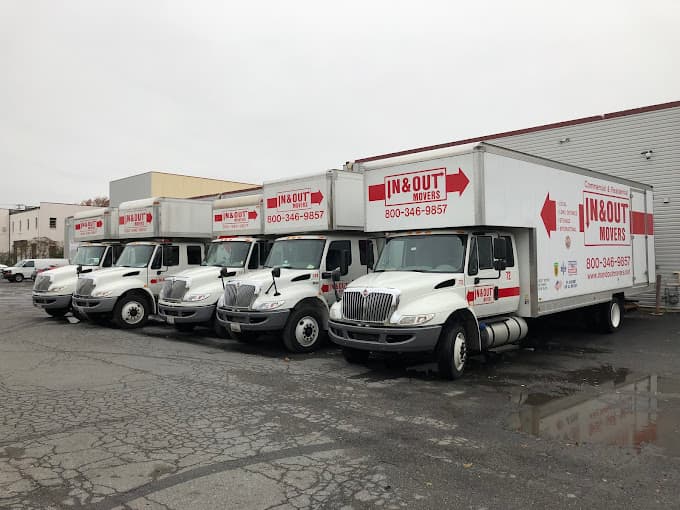
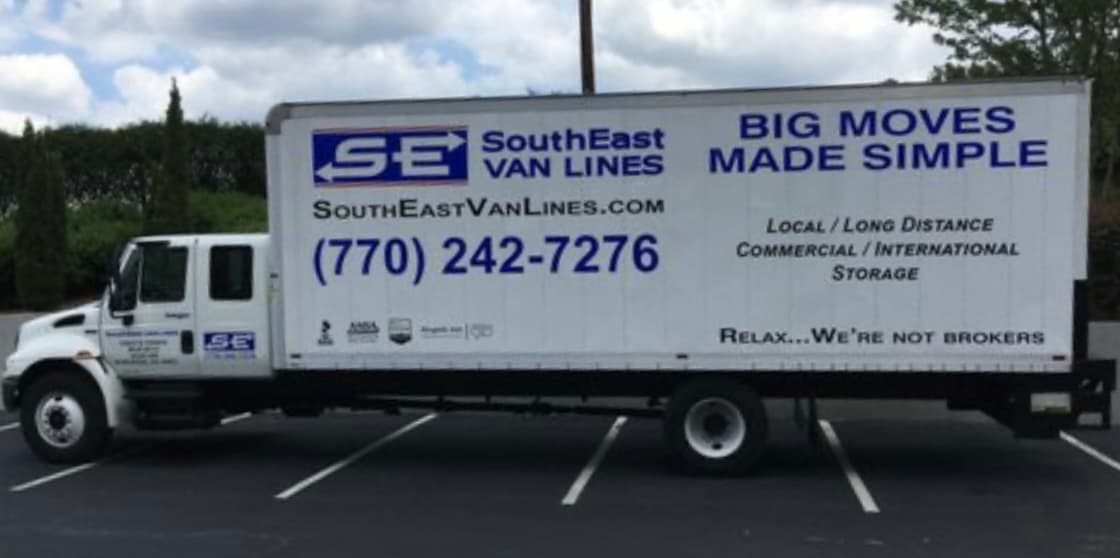
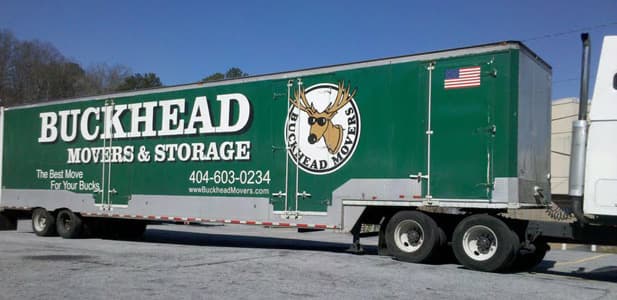
Examples on Trunk: In and Out Movers (Rockville, MD), Movers USA (Jessup, MD), Southeast Van Lines (Norcross, GA).
How to verify: Check their USDOT number at safer.fmcsa.dot.gov. The entity type should show as "Carrier." Ask: "Will your own crew handle my move from start to finish?"
Van Line Agents
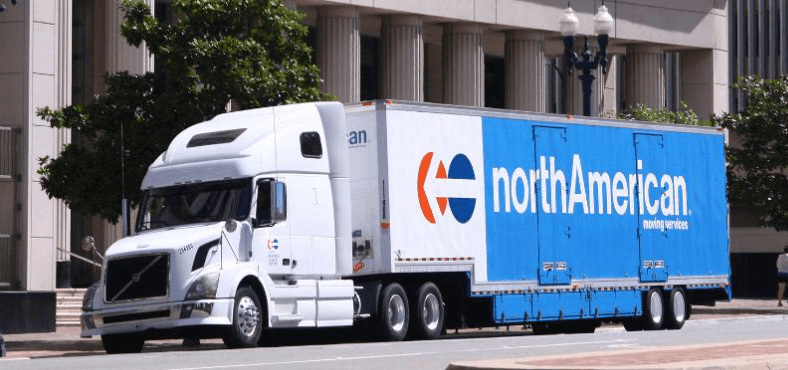
How it works: National van lines (Atlas, United, Mayflower, Bekins, North American, Allied) are networks of independently owned local agents. The local agent books your move, packs and loads at origin, and a driver (often an independent owner-operator) transports your goods cross-country. A different local agent may handle delivery at destination.
Advantages: Established infrastructure for long-distance and cross-country moves. Warehouse networks for storage-in-transit. National claims process. Brand accountability (the van line has a reputation to protect).
Disadvantages: Quality depends on the specific local agent, not the national brand. The packing crew at origin may be excellent while the delivery crew at destination is careless. Pricing tends to be higher than independent movers. Communication can be fragmented between origin agent, driver, and destination agent.
Key distinction: A van line agent is NOT a broker. The agent physically handles your goods. The van line provides the network, routes, and brand. This is different from a broker who never touches anything.
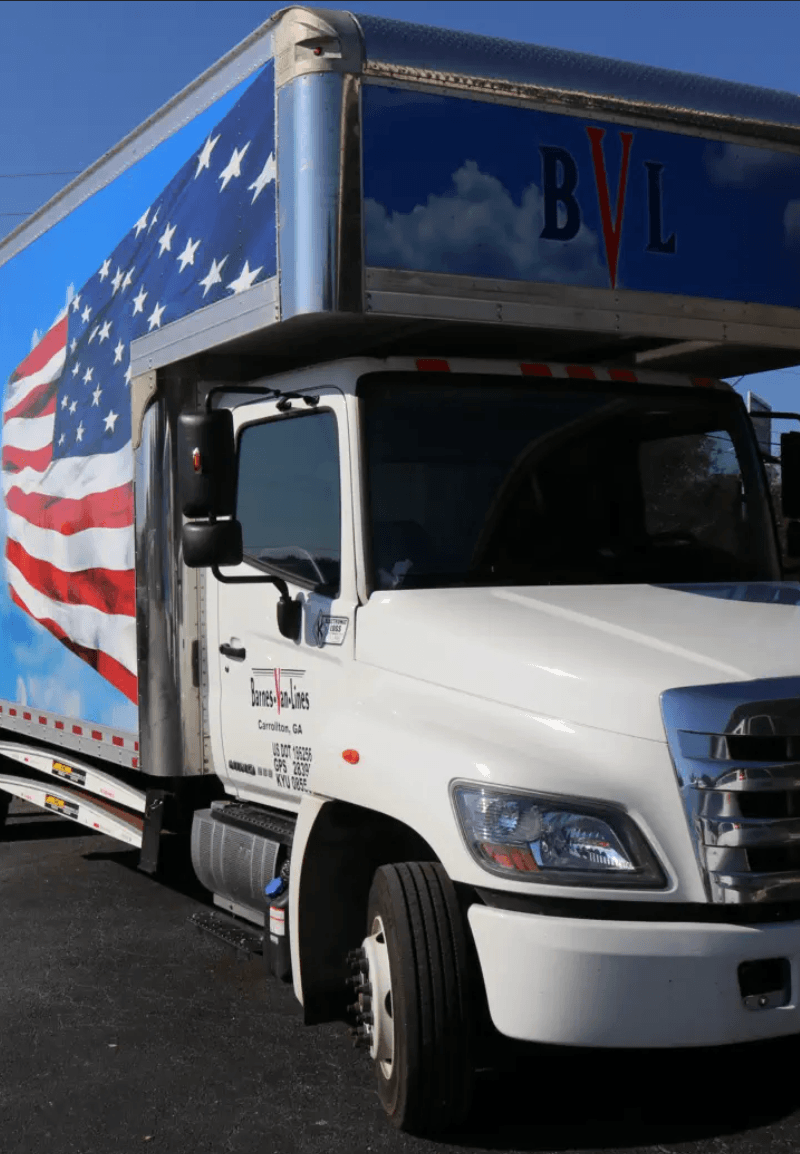
Examples on Trunk: Barnes Van Lines (Bekins agent, Conyers, GA).
Franchise Movers
How it works: A national brand licenses its name, systems, and marketing to independently owned local operators. Each franchise location has its own owner, hires its own crews, sets its own pricing, and maintains its own safety record. The franchisor provides the brand, training standards, and national marketing.
Advantages: Standardized processes and training (in theory), brand recognition and trust, national infrastructure for cross-market moves, and typically more professional presentation than small independents.
Disadvantages: A great franchise in one city does not guarantee quality in another. Each location has its own FMCSA record, BBB profile, and Google reviews. Franchise fees are built into pricing, so costs tend to be higher. If the local franchise owner cuts corners on hiring or training, the national brand name masks the problem.
What to check: Always research the specific franchise location, not the national brand. Look up the local USDOT number, read the local Google reviews, and check the local BBB profile. A 4.8-star national average means nothing if your local franchise has a 3.2.
Examples on Trunk: College Hunks (DC/DMV), Two Men and a Truck (Alpharetta).
Moving Brokers
How it works:A moving broker takes your booking, collects a deposit, and then sells your move to a carrier (the actual moving company). The broker never owns trucks, never employs movers, and never physically handles your belongings. FMCSA defines a broker as "a company that arranges for the transportation of your cargo, utilizing for-hire carriers to provide the actual truck transportation."
Why this is risky: You have no control over which carrier shows up. The carrier may have a poor safety record, no insurance, or inexperienced crews. If items are damaged or lost, the broker typically disclaims liability and points you to the carrier. If the carrier ghosts you, the broker may not help. Many consumers do not realize they hired a broker until moving day when an unfamiliar company arrives.
Common broker red flags:
- • No photos of their own trucks or crews on website or social media
- • Movers show up in unmarked trucks or different company uniforms
- • Contract references a different company name than who you booked with
- • Customer service is AI-only or chatbot-only with no human reachable
- • Reviews mention different crews or companies each time
- • Large non-refundable deposit required upfront
- • Damage compensation at bare minimum (60 cents per pound)
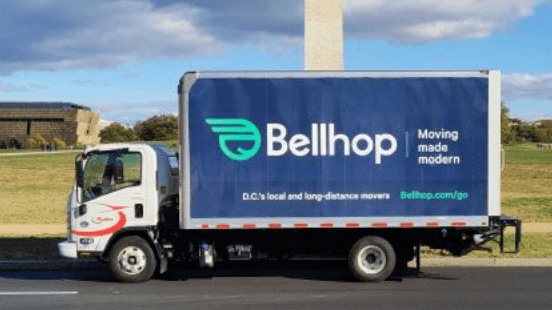
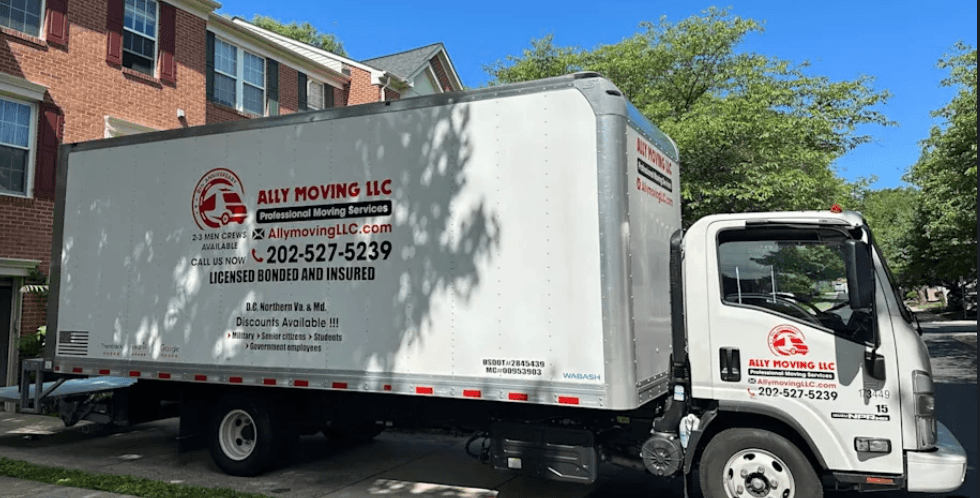
Examples on Trunk: Bellhop (Atlanta), Bellhop (DC/DMV). BBB explicitly confirms Bellhop is FMCSA-licensed as a moving broker. Reviewers report subcontracted crews from Reliant Moving Services and Ally Moving showing up instead.
How to verify: Search the company at safer.fmcsa.dot.gov. Under Operating Authority, if it says "Broker" instead of "Carrier," they do not move your stuff. They sell your move to someone who does.
Labor-Only Movers
How it works: You rent the truck (U-Haul, Penske, Budget) and hire workers to load and unload it. The labor-only company provides the muscle but not the vehicle, driving, or transit insurance. You drive the truck yourself or hire a driver separately.
Advantages: Cheapest option. Typically $50 to $80 per mover per hour. Good for small local moves, apartment moves, or when you already have a truck. You control the timeline and driving.
Disadvantages: You are responsible for the truck rental, fuel, mileage, toll costs, and transit insurance. If something breaks during the drive, that is on you. Loading quality depends entirely on the workers, and they have less equipment (dollies, straps, pads) than full-service movers. Not practical for long-distance moves.
Best for: Studio and 1-bedroom apartment moves within the same metro area where you are comfortable driving a 10 to 15 foot truck.
How to Tell What You Are Actually Hiring
1. Check FMCSA. Go to safer.fmcsa.dot.gov and search the company's USDOT number. Look at "Operating Authority" to see if they are registered as a Carrier or Broker.
2. Ask directly. "Will your own trucks and crew handle my move from start to finish, or will you assign it to another company?" A legitimate carrier will say yes without hesitation. A broker will hedge.
3. Check the contract. Read the company name on the bill of lading or moving agreement. If it is different from the company you contacted, you are dealing with a broker.
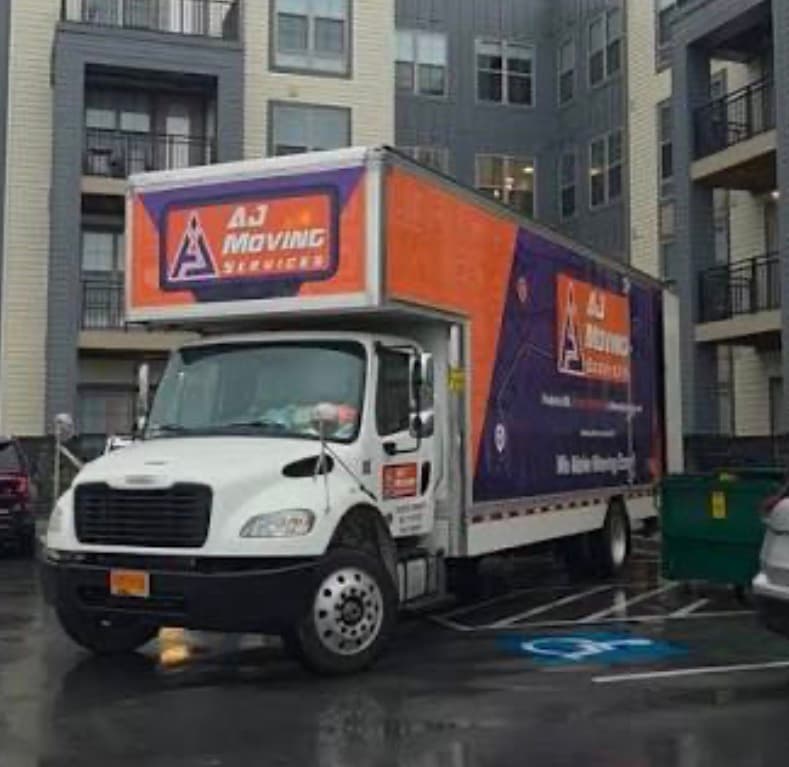
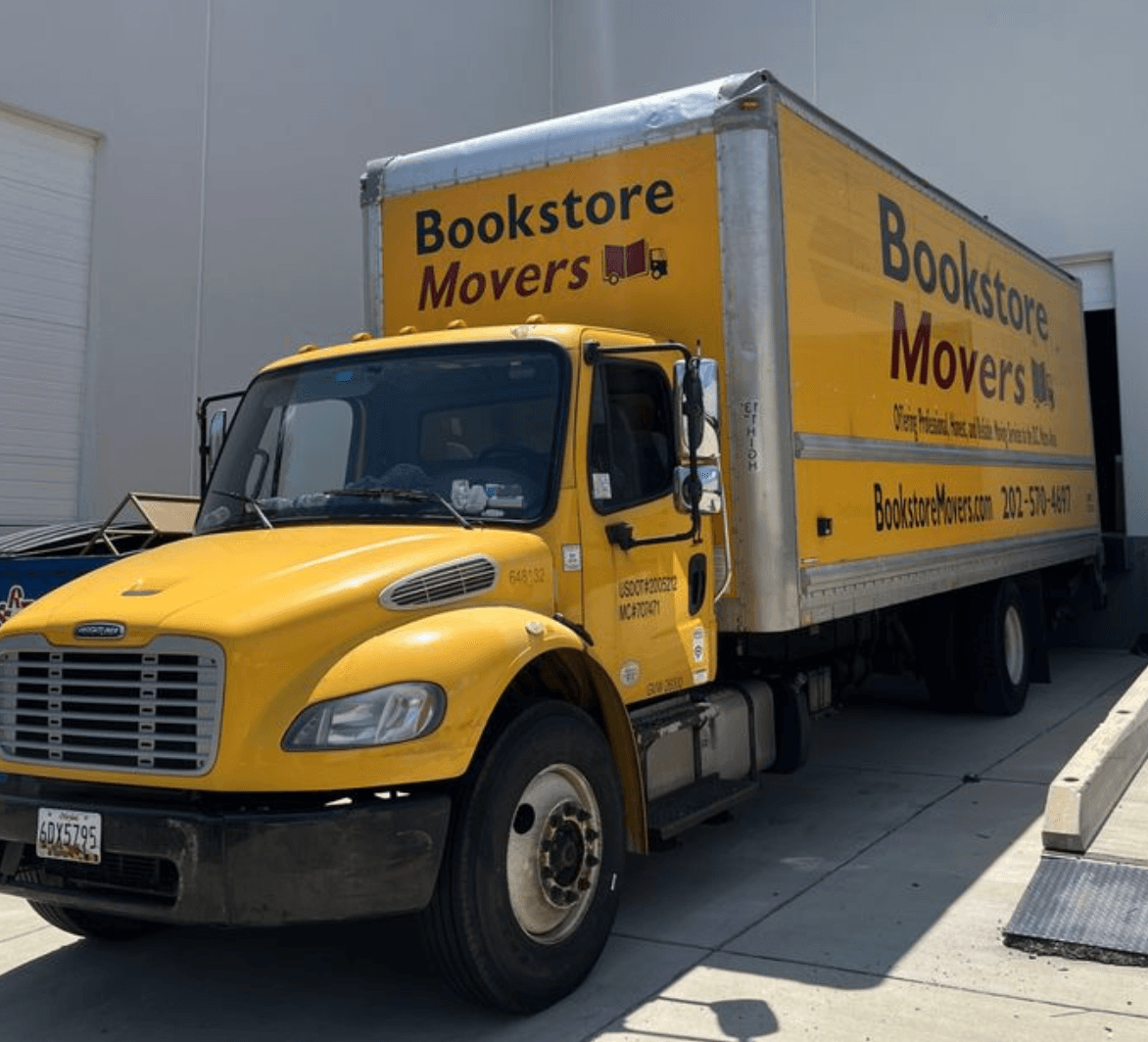
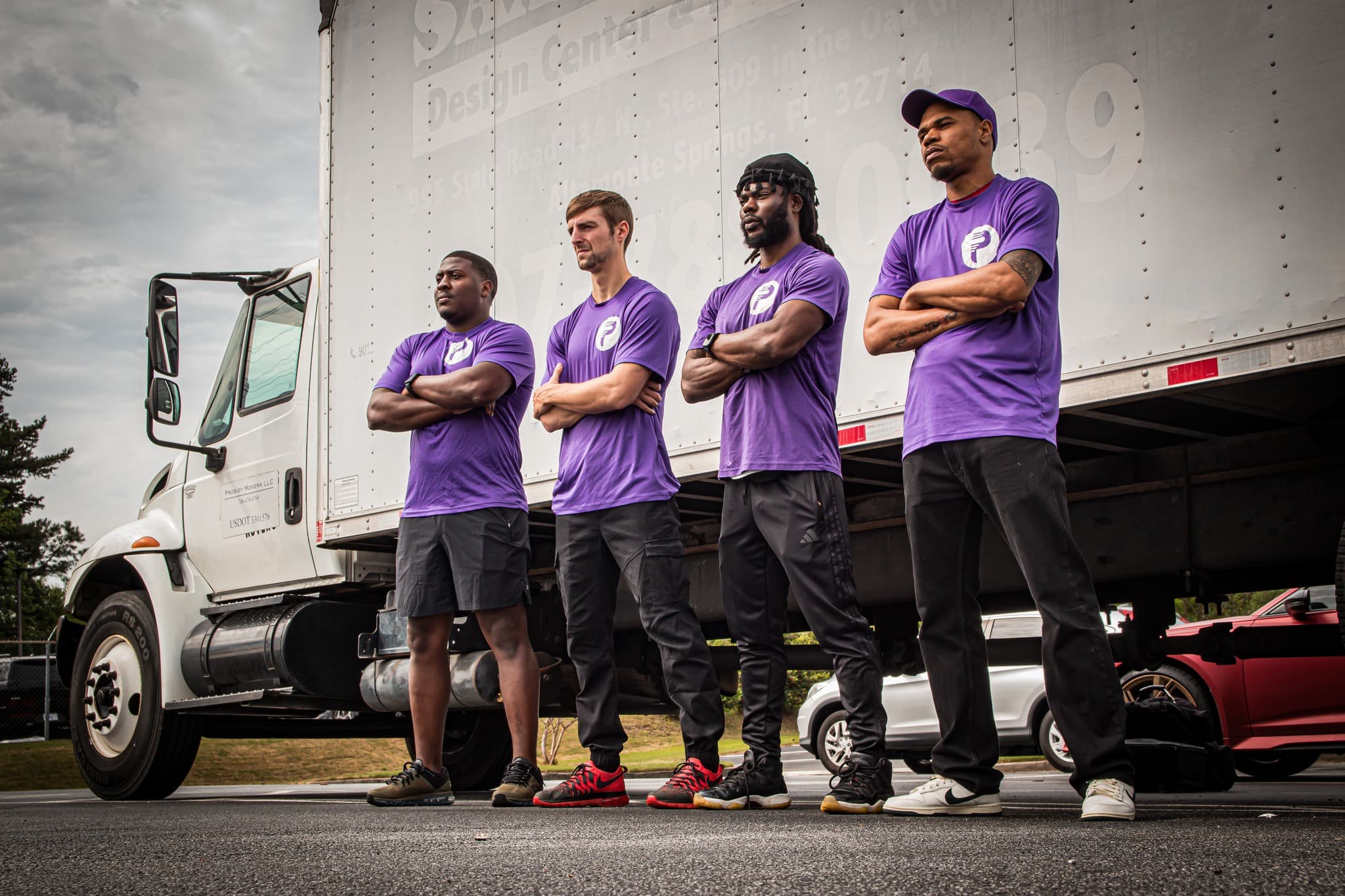
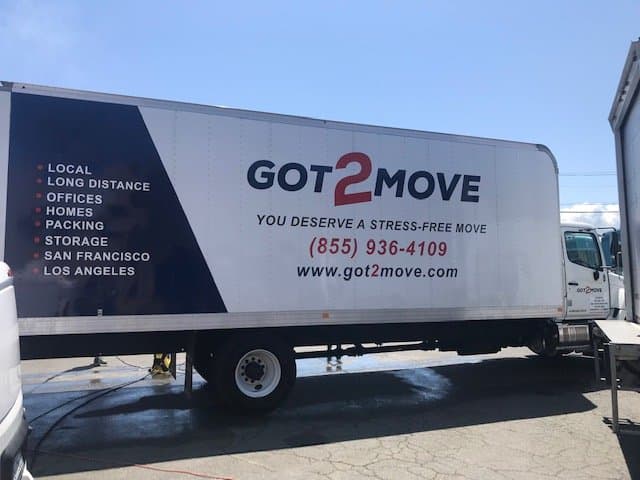
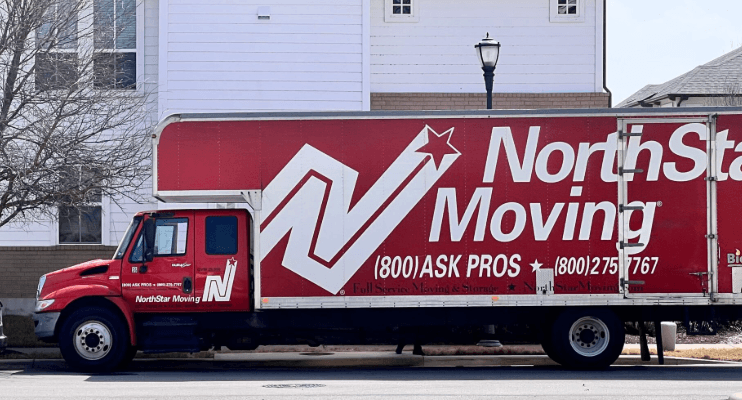
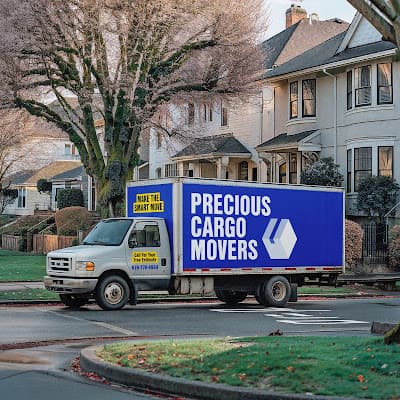
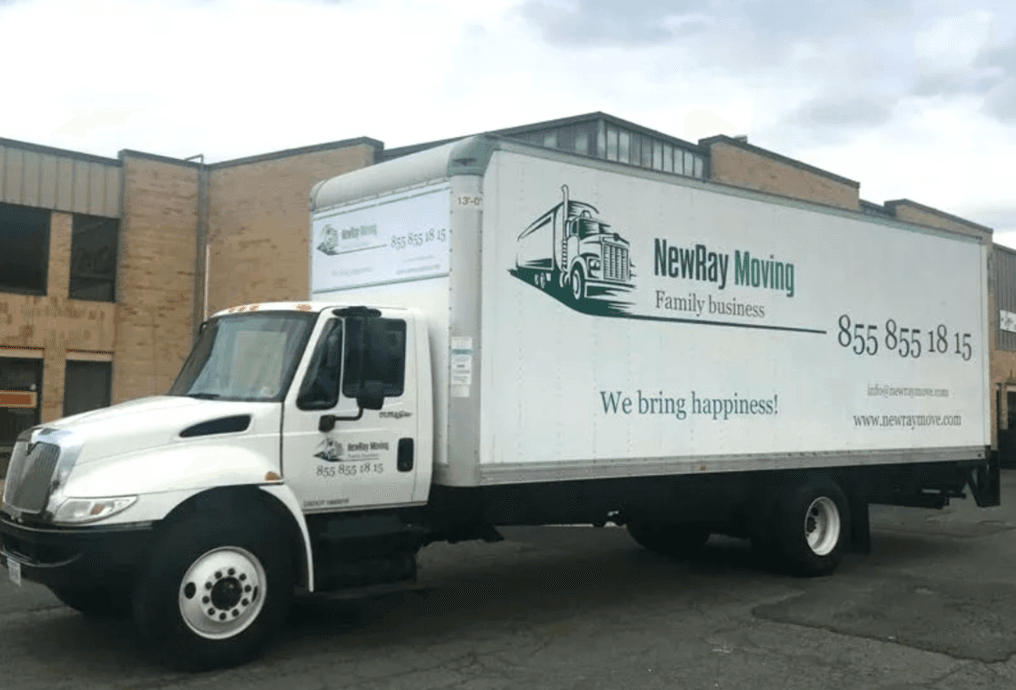
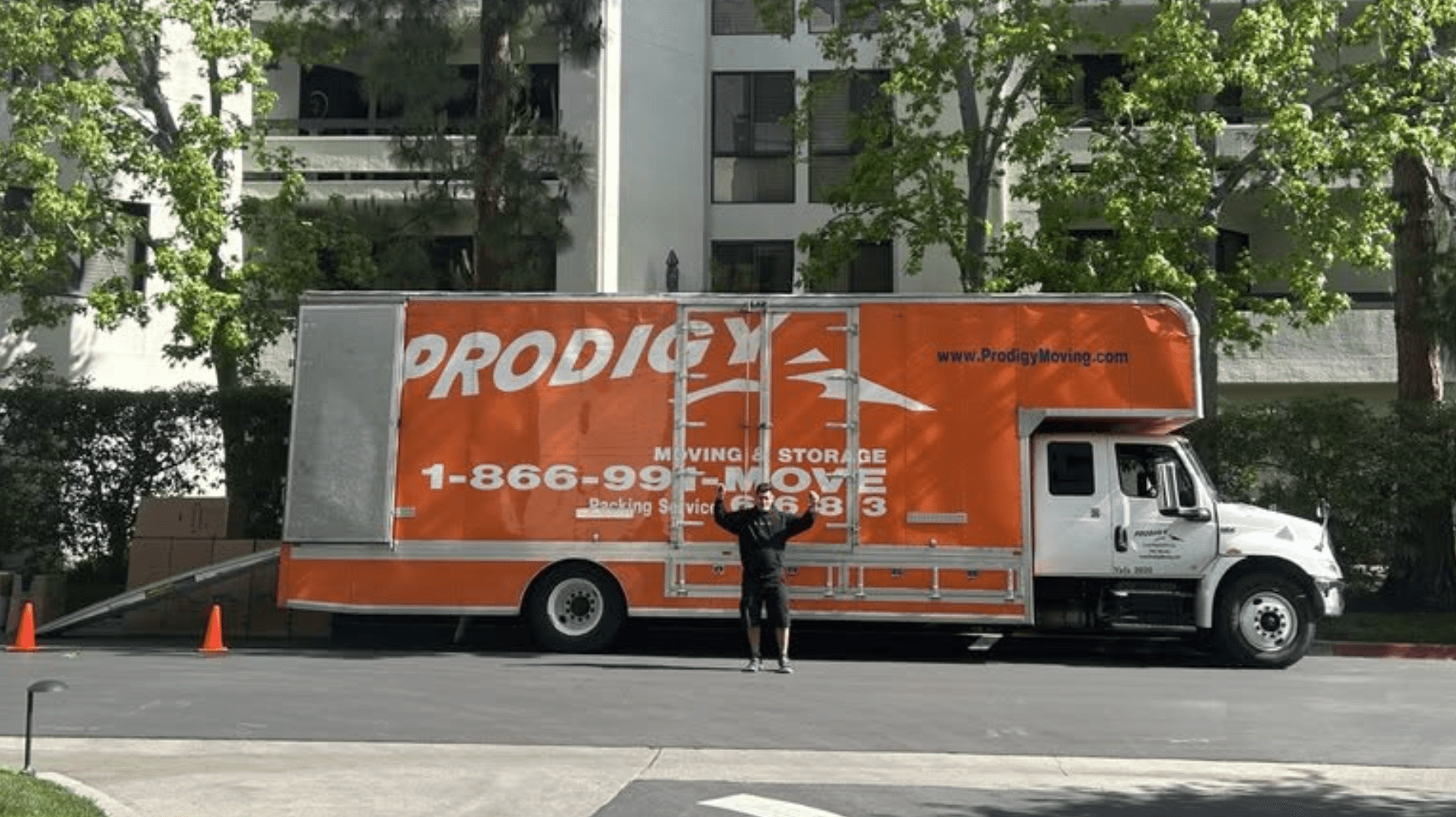
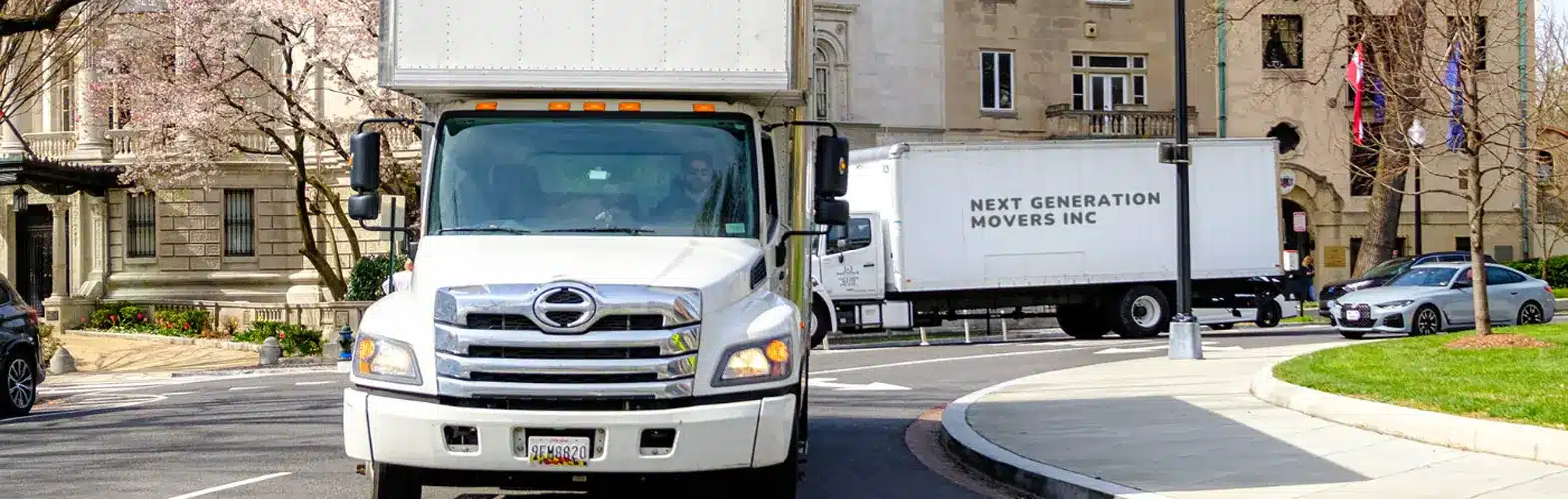
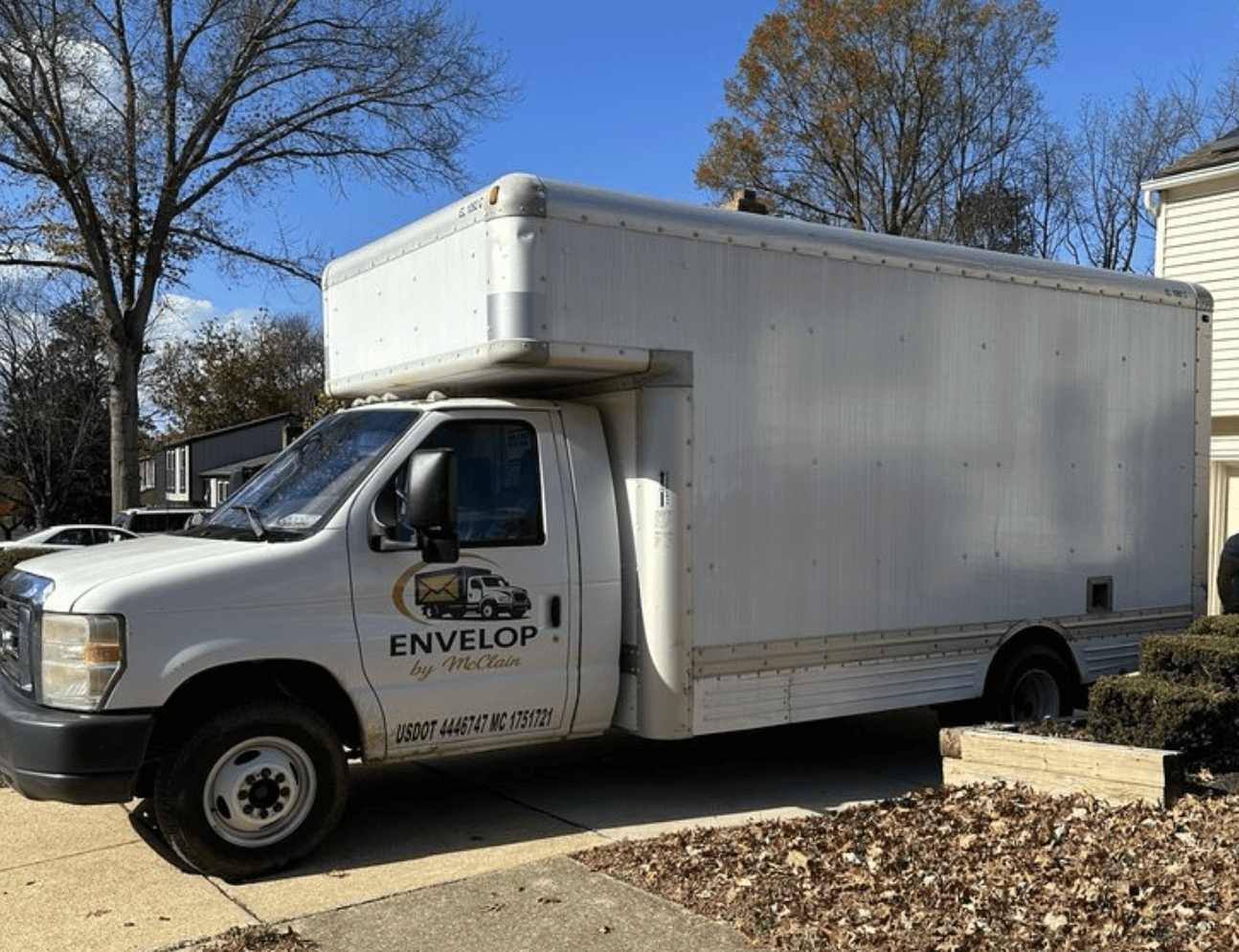
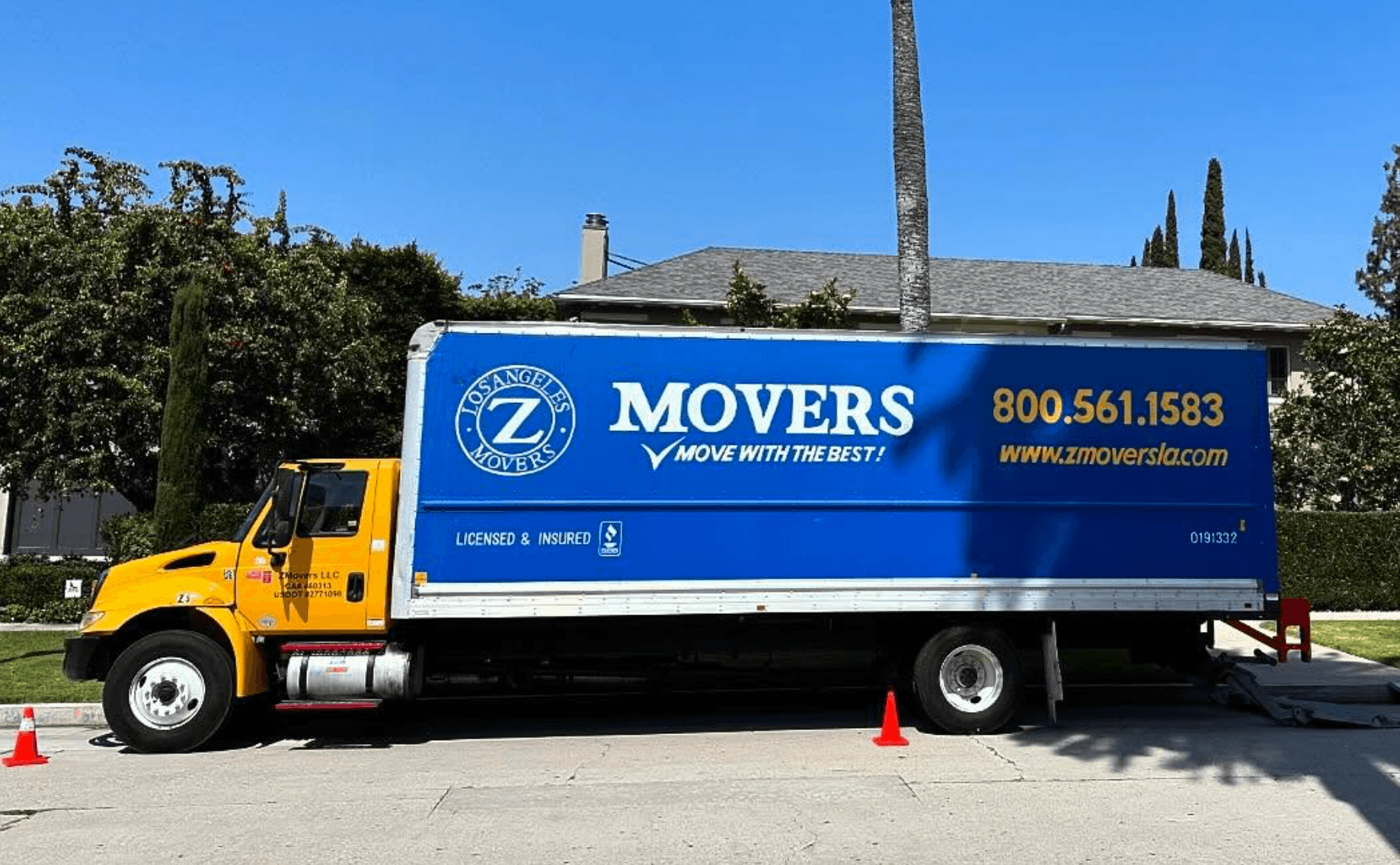
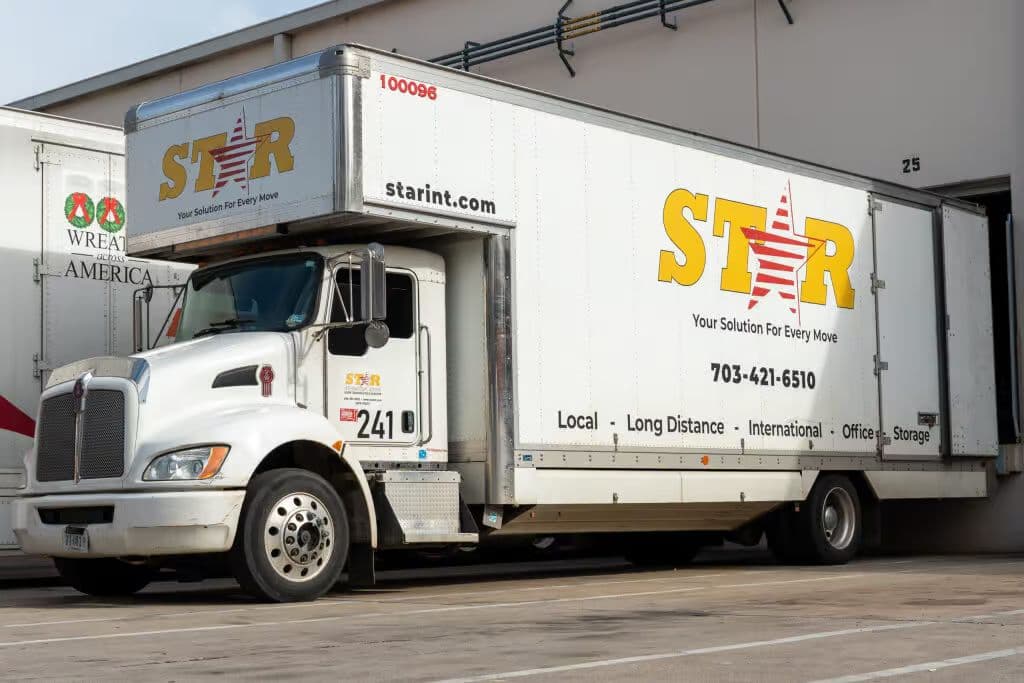
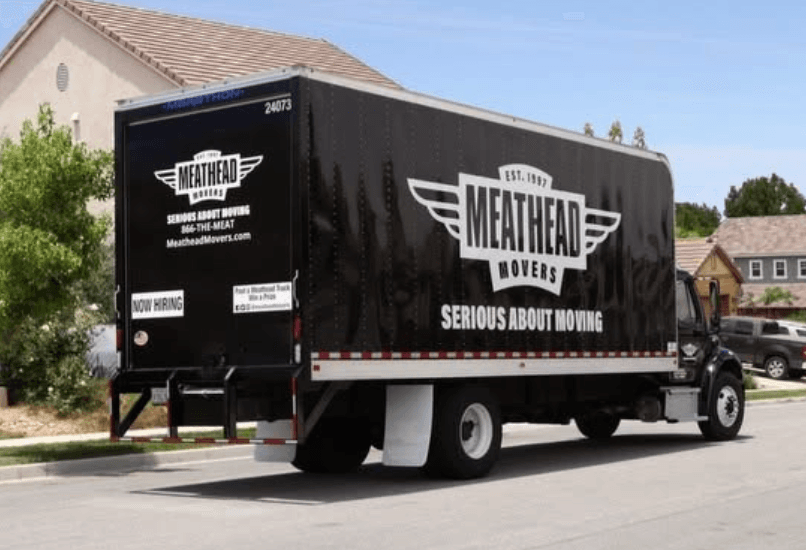
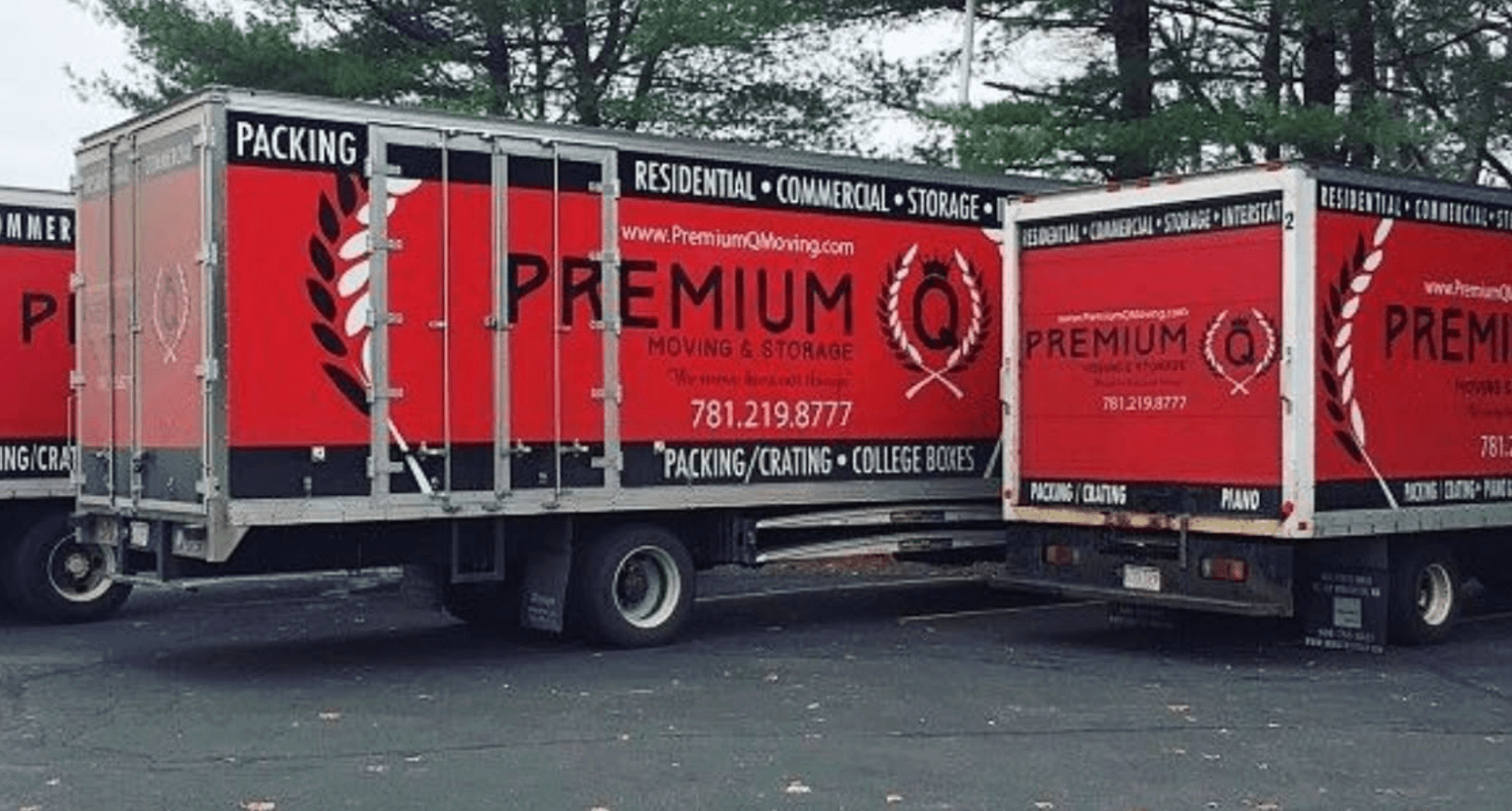
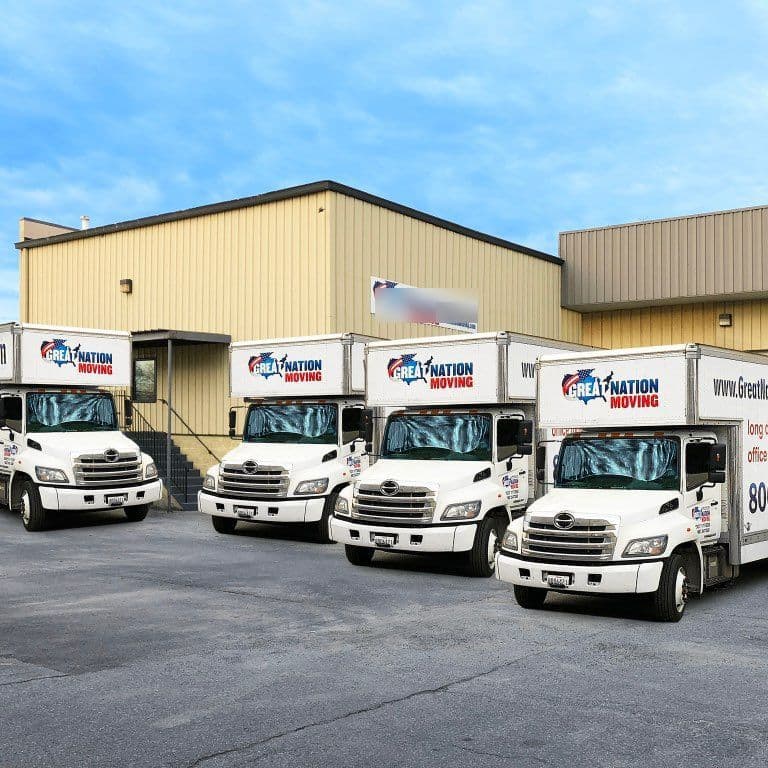
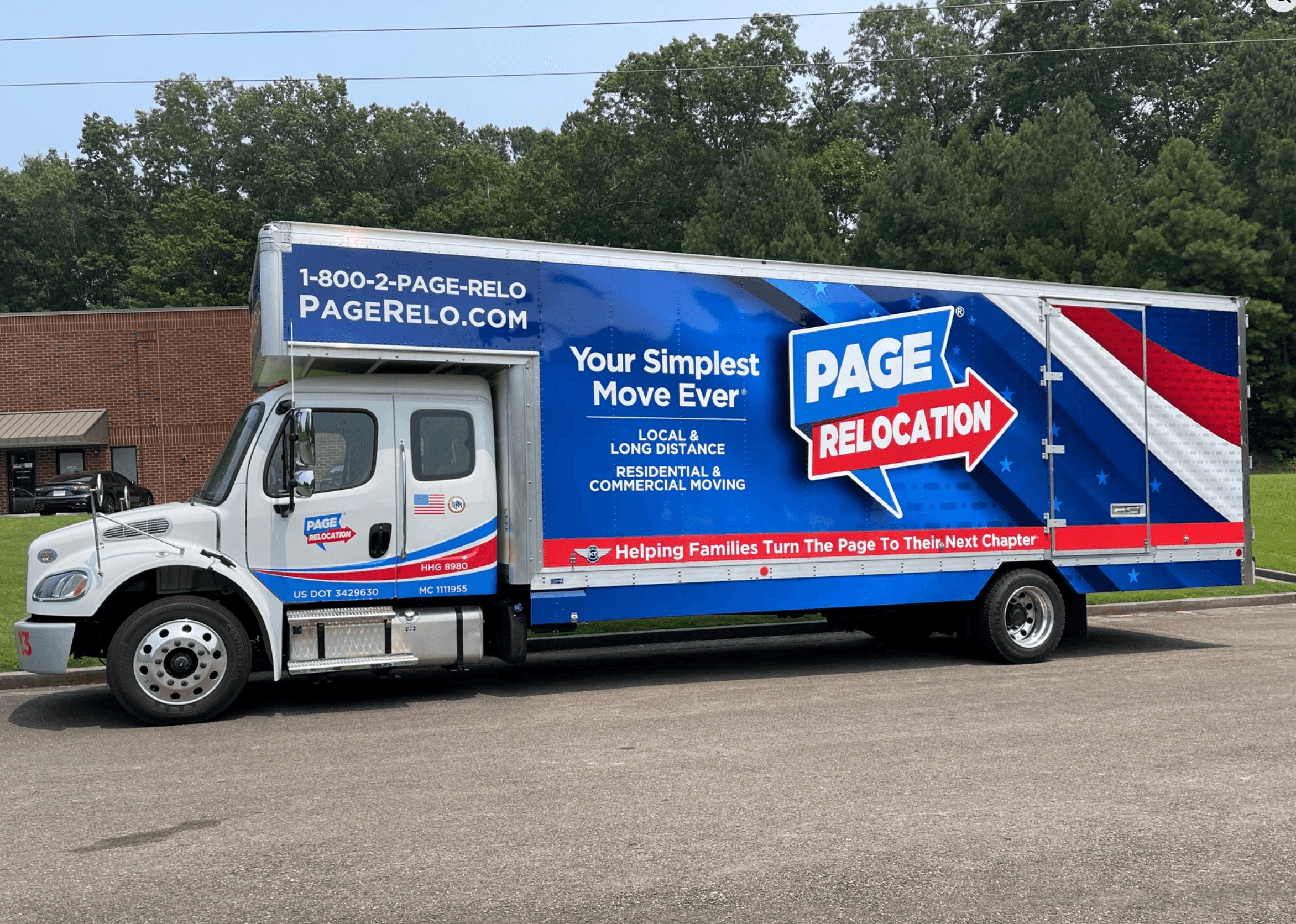
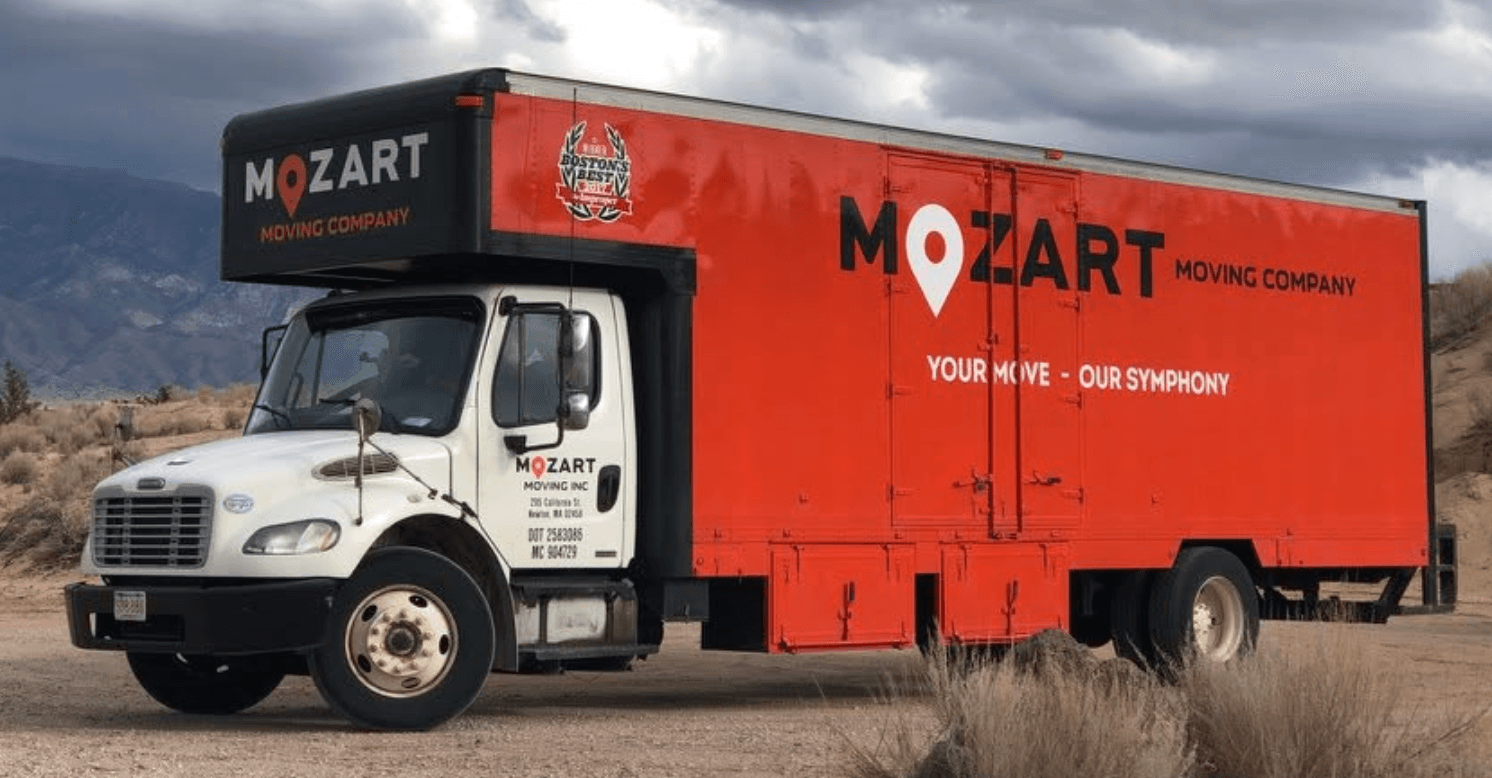
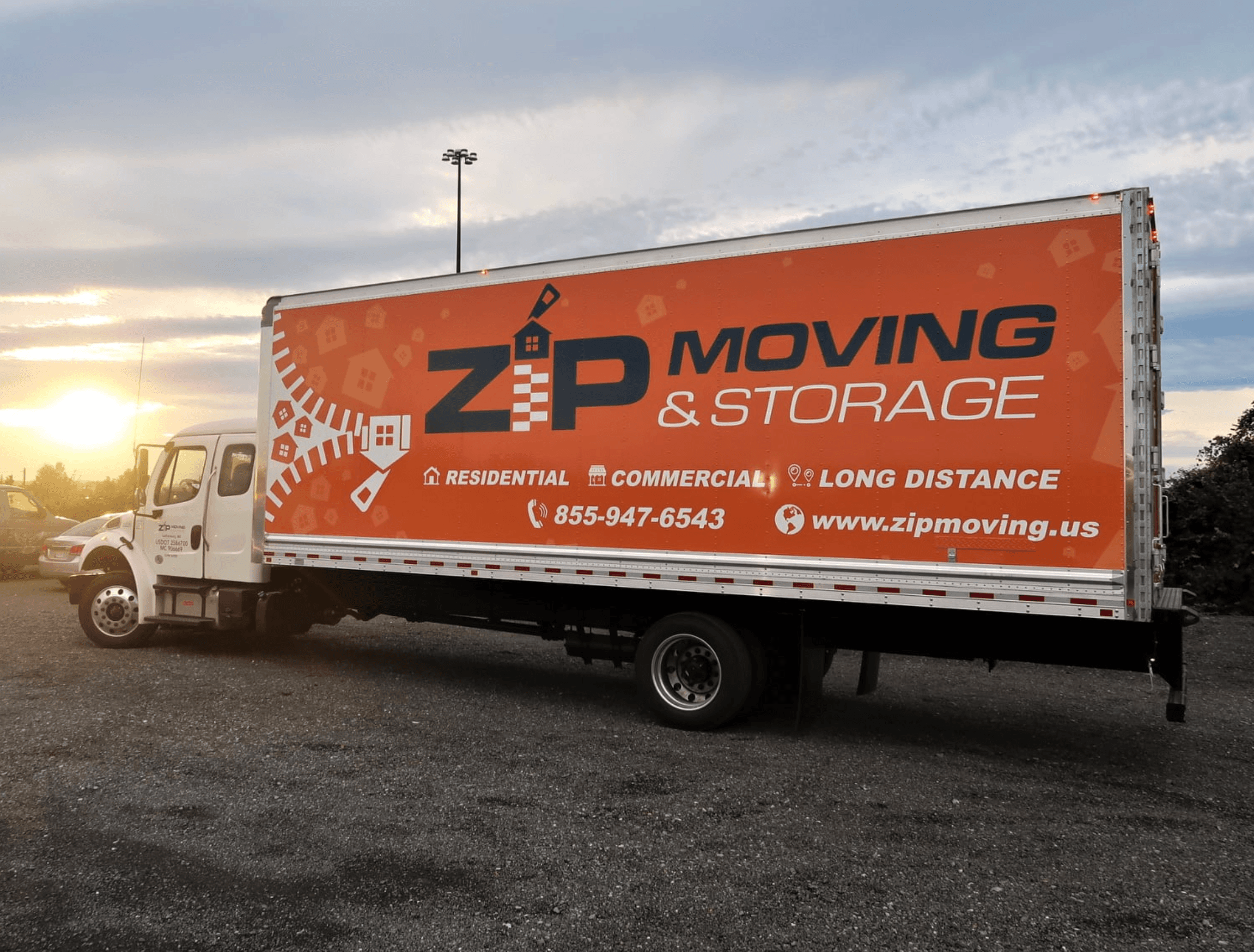
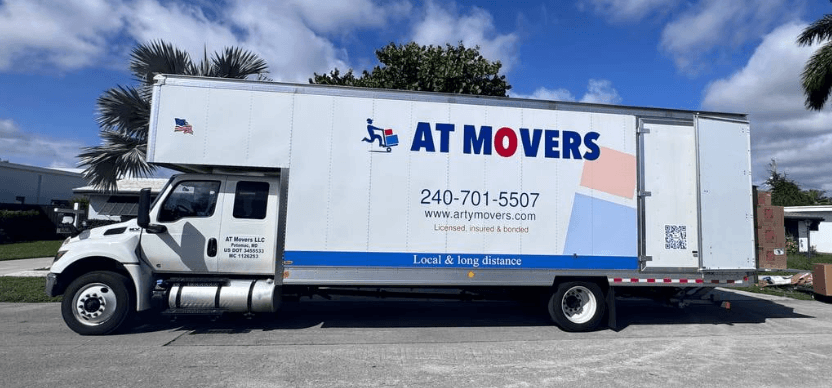
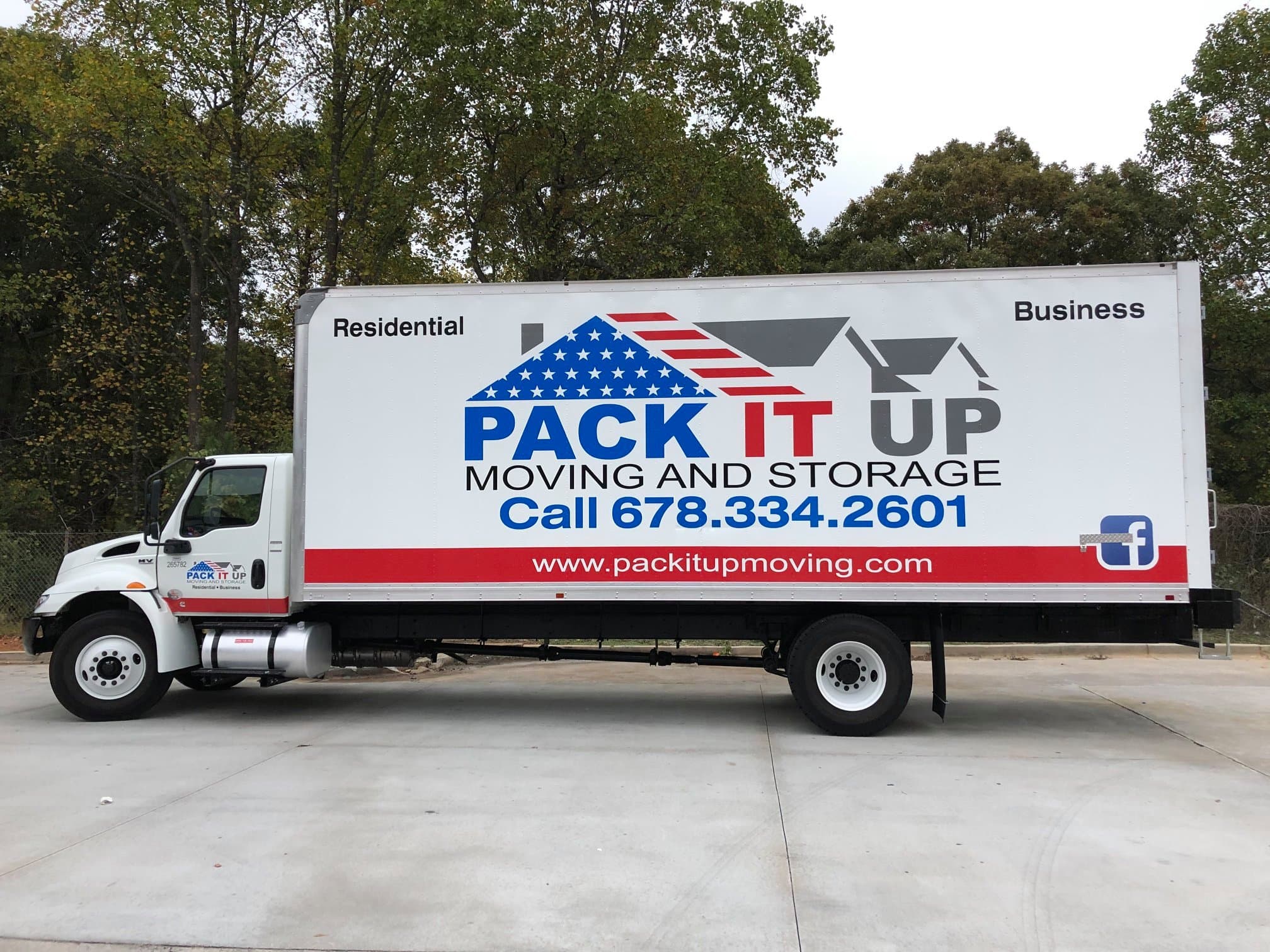
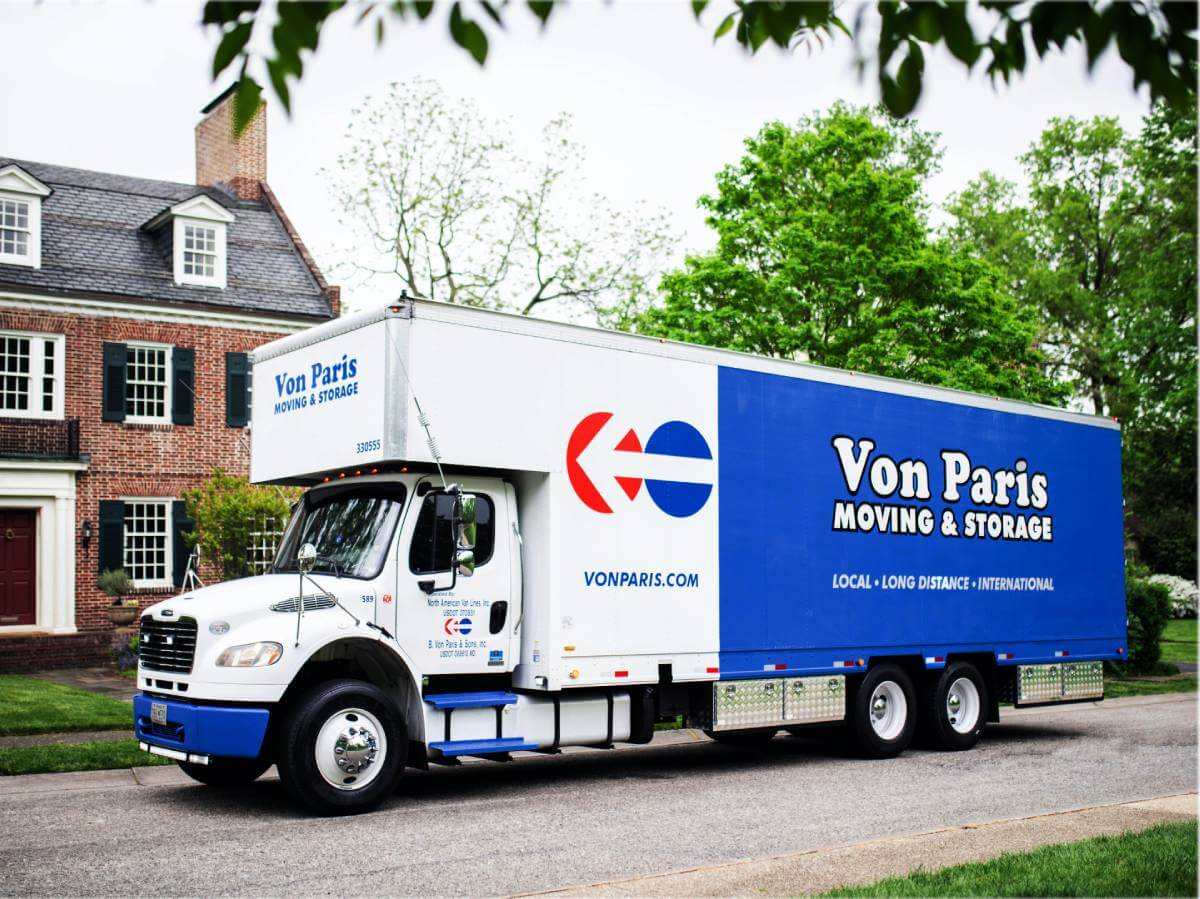
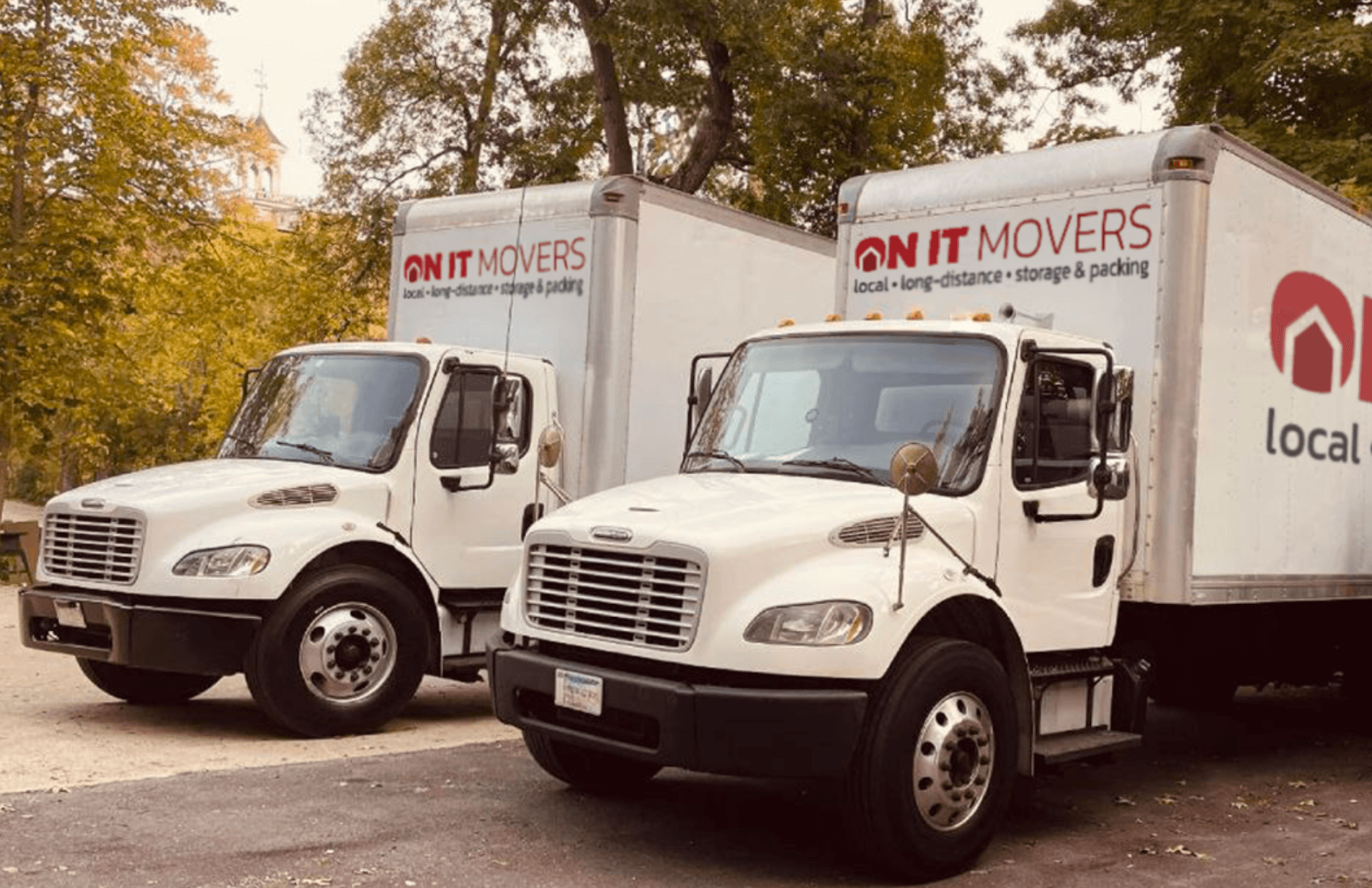
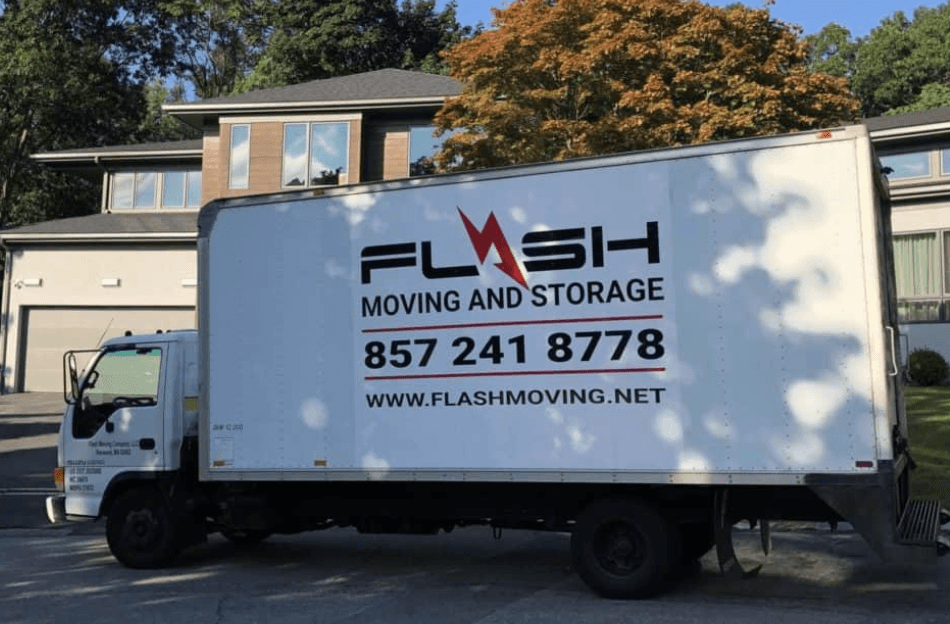
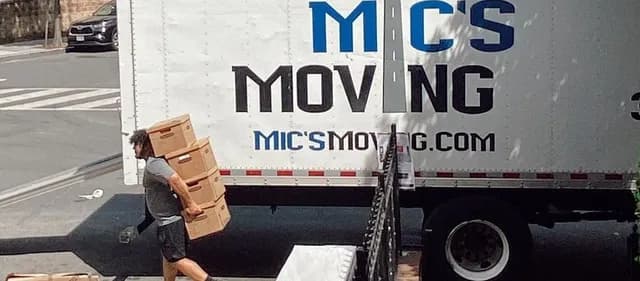
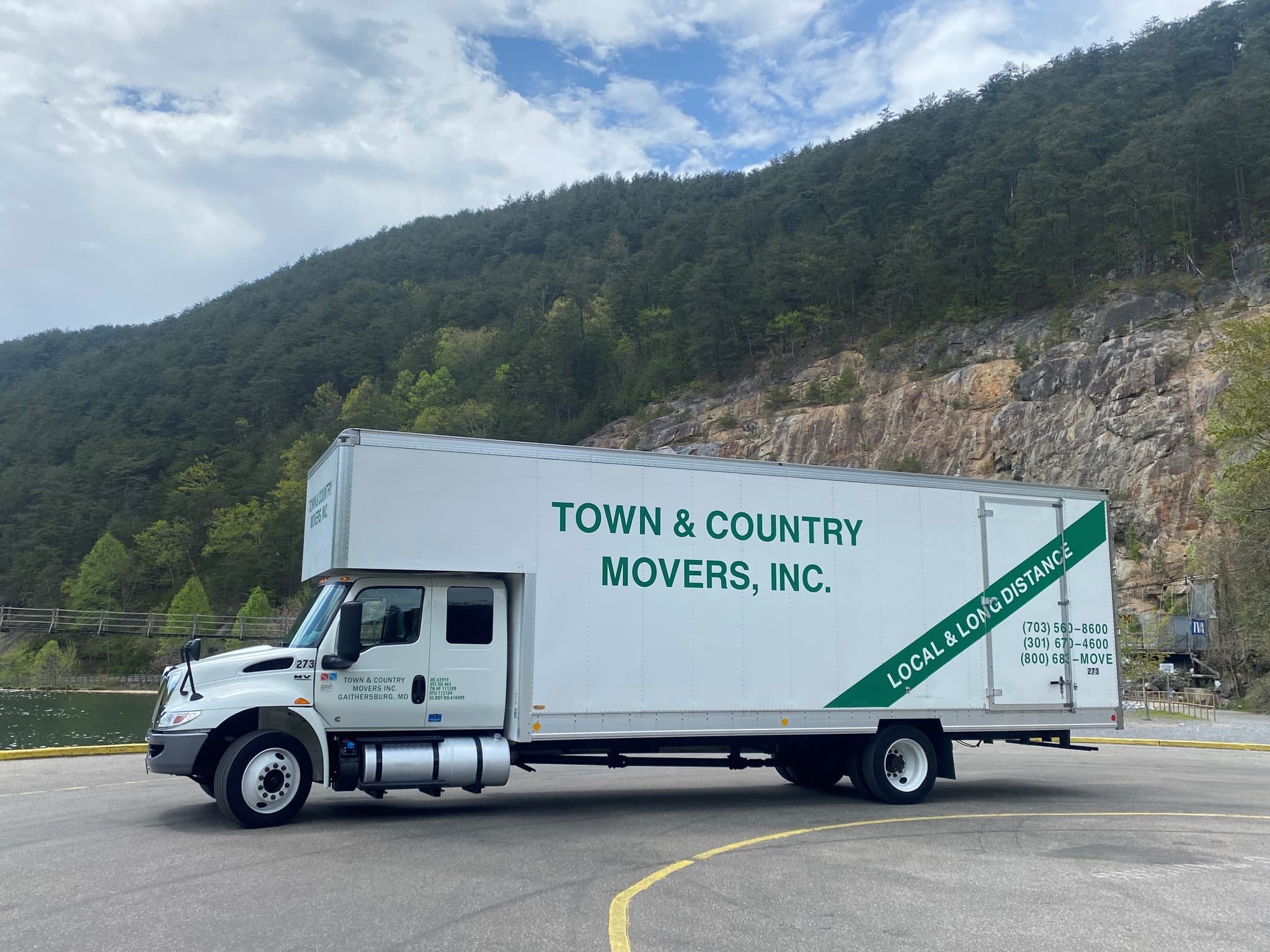
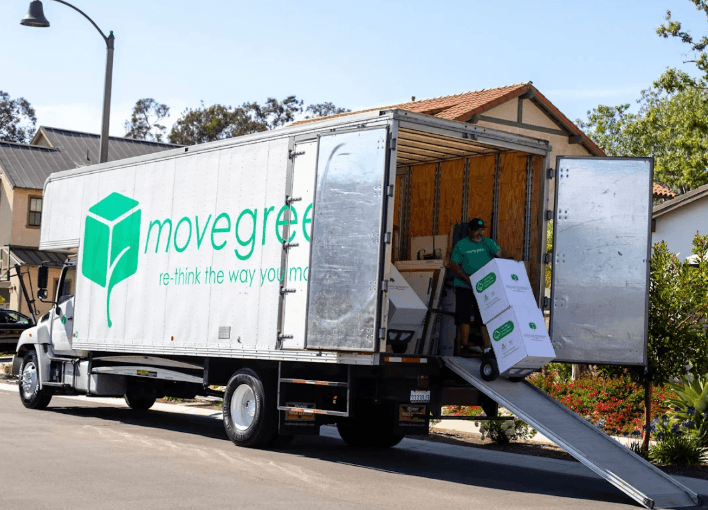
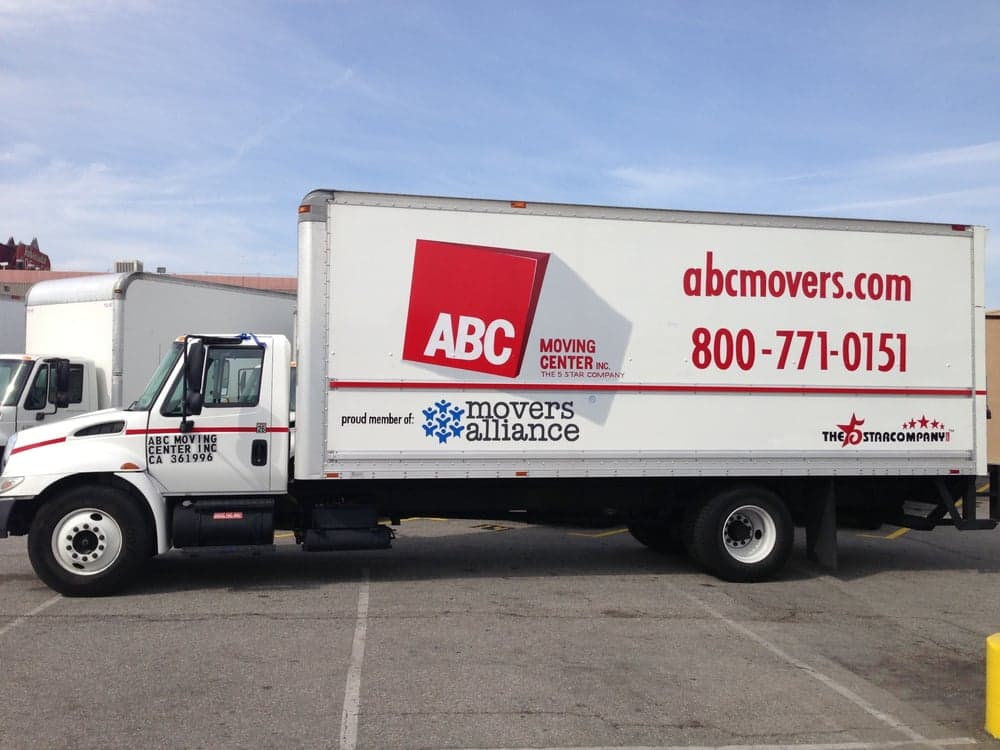
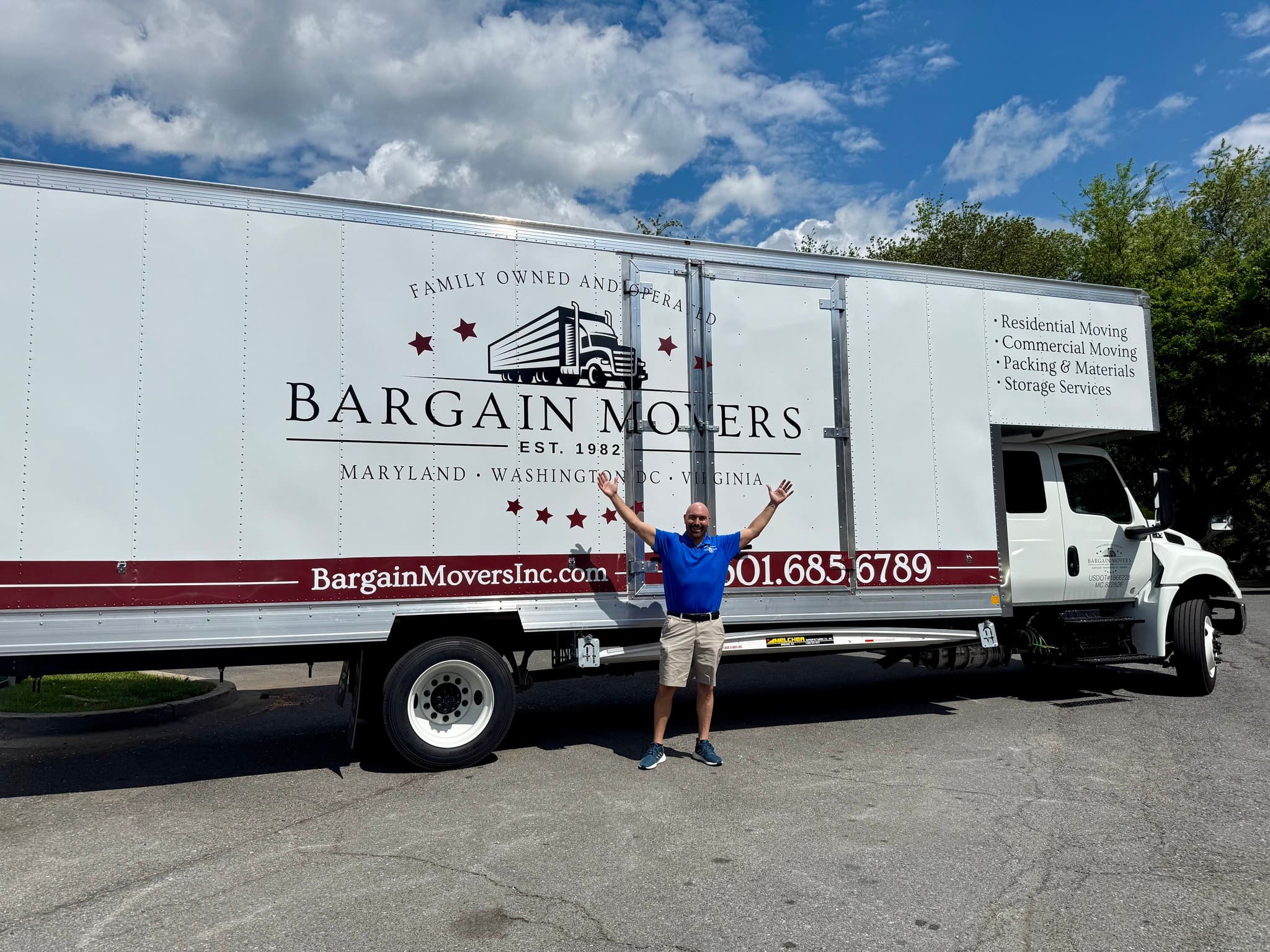
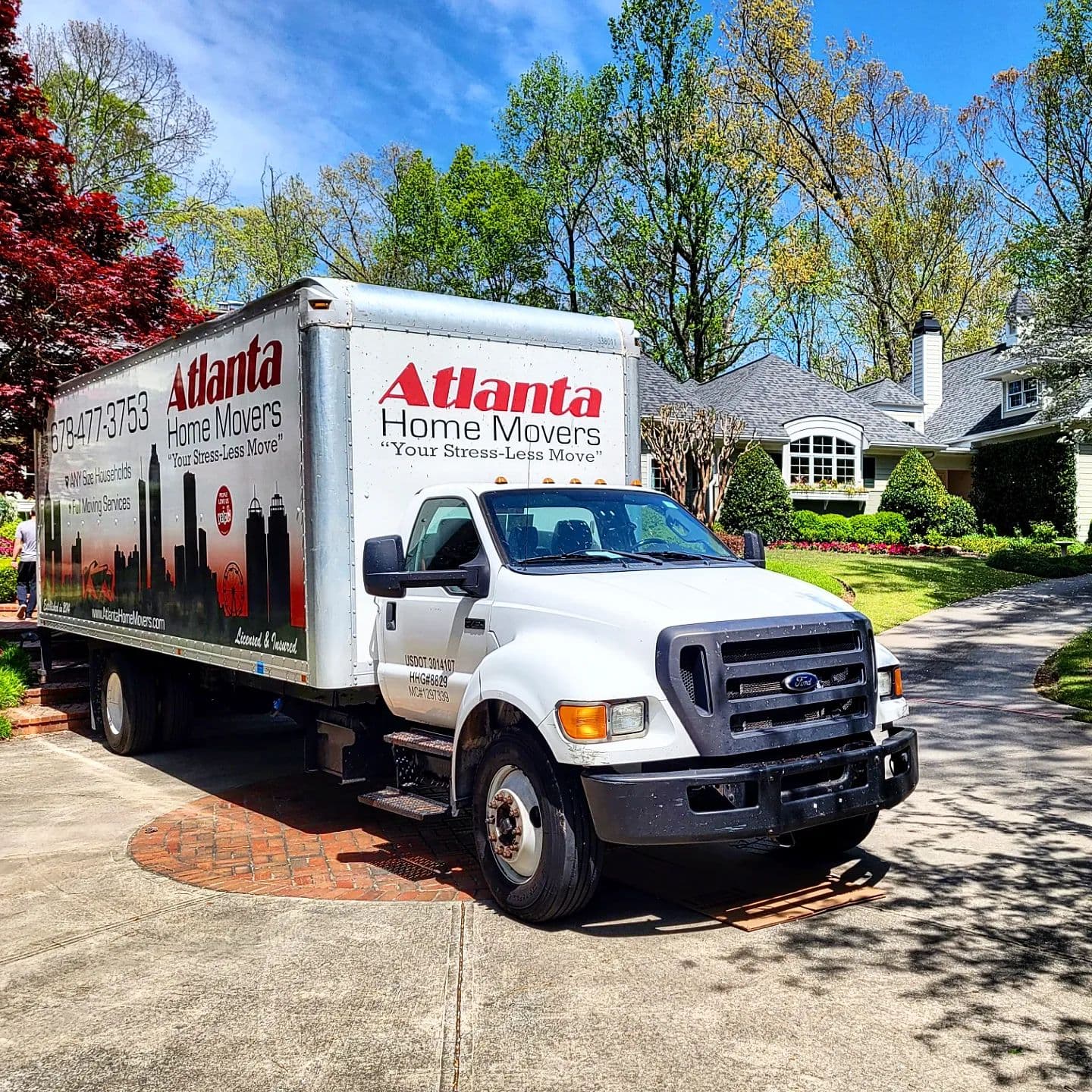
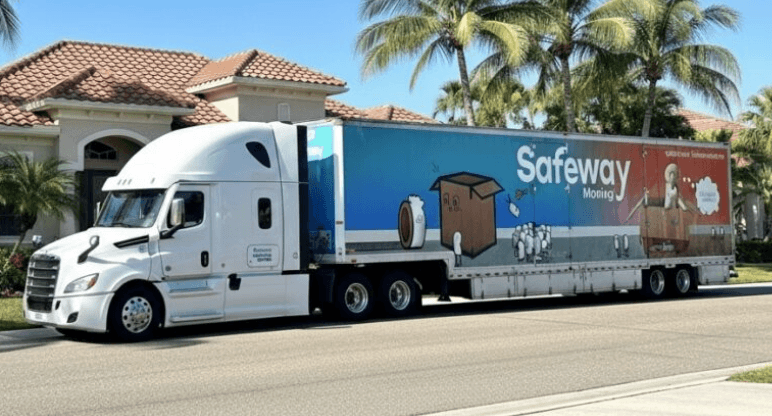
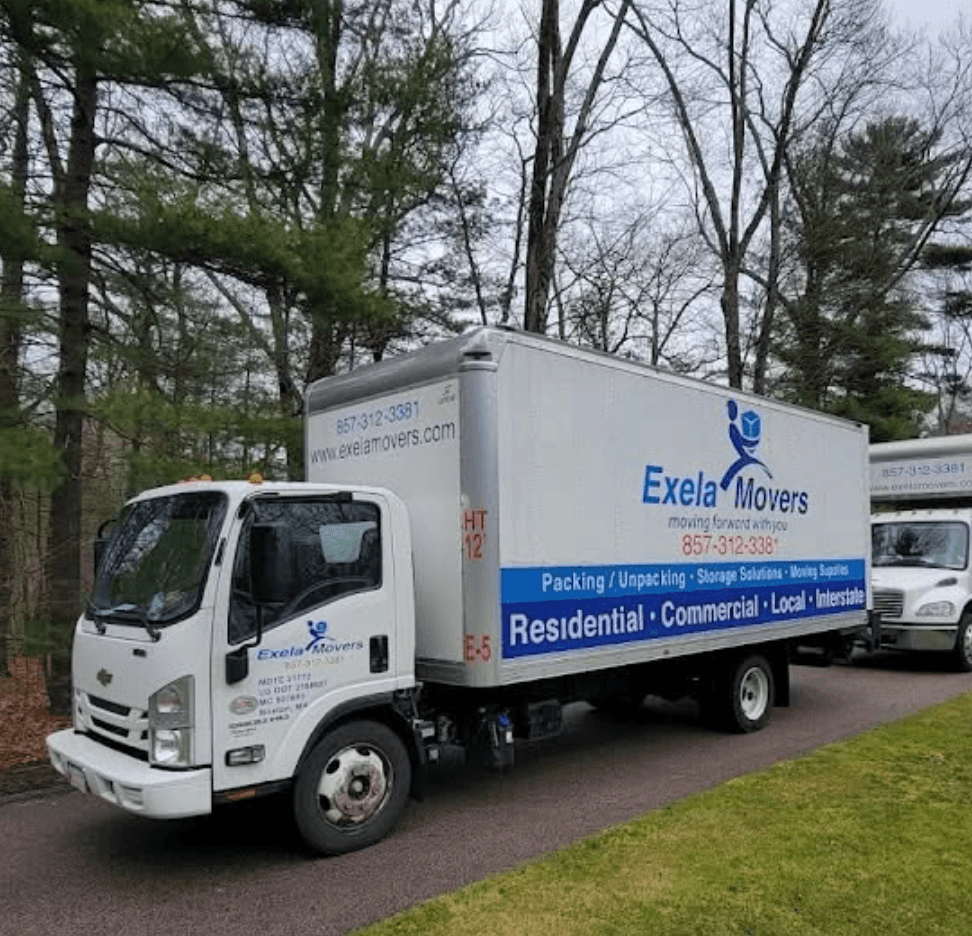
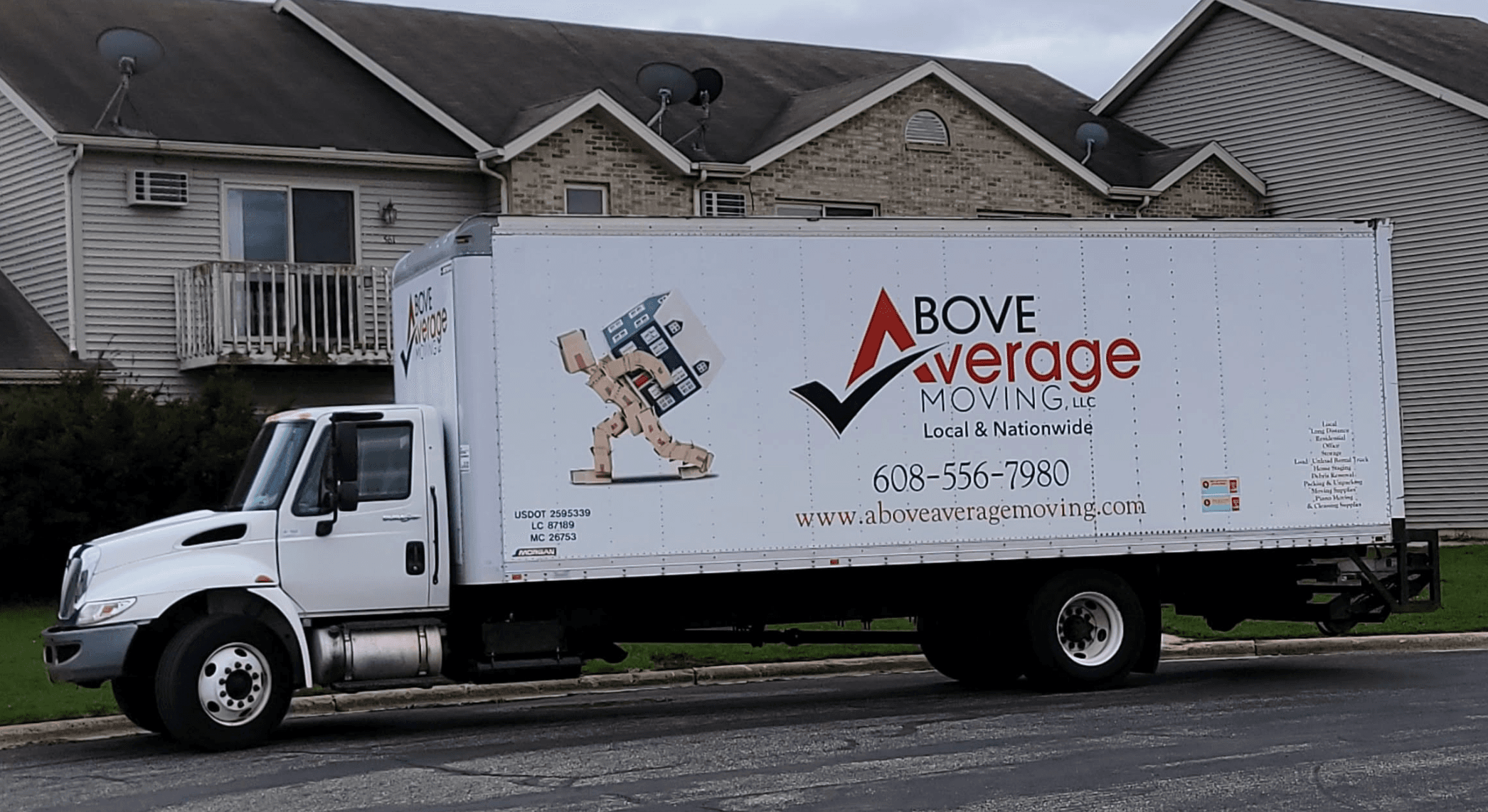
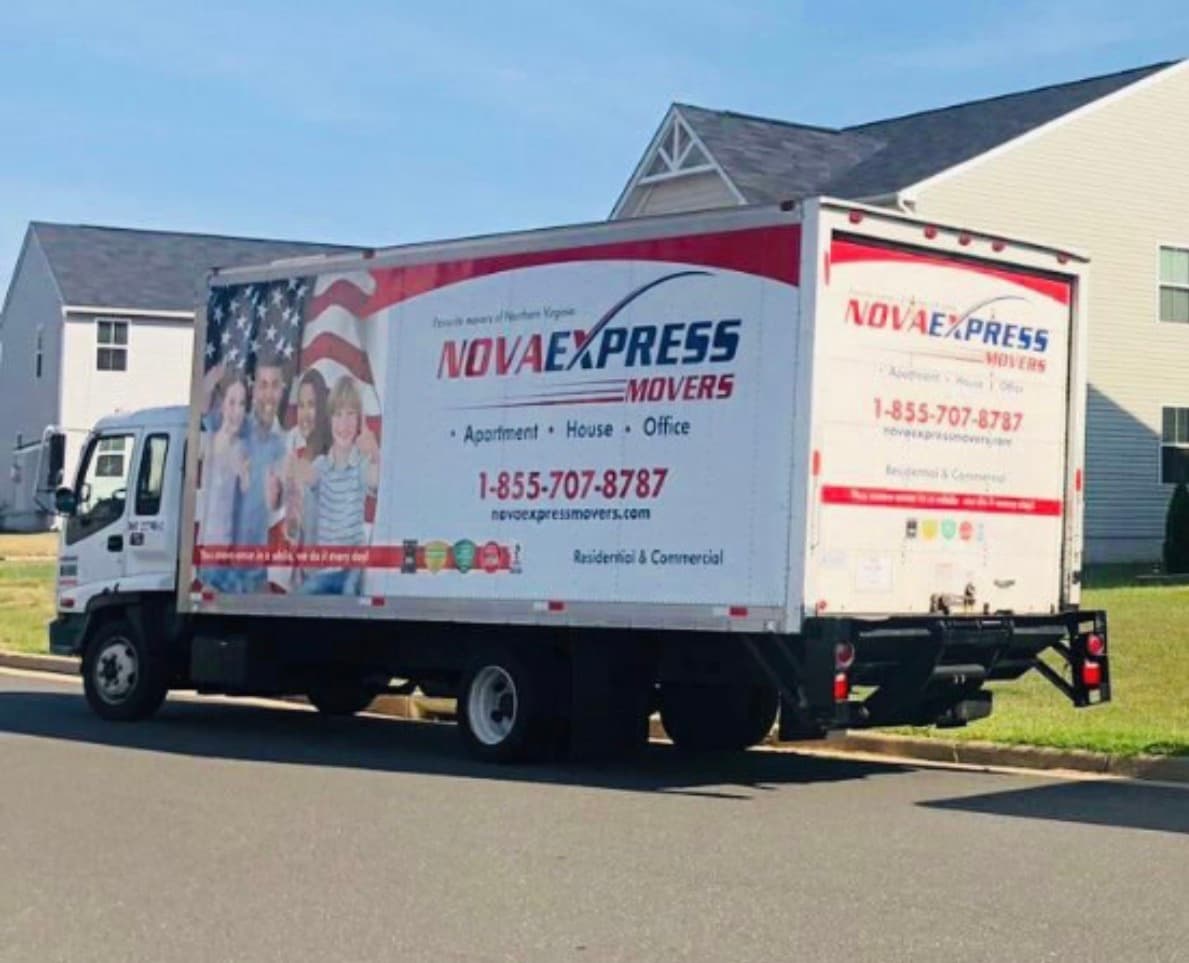
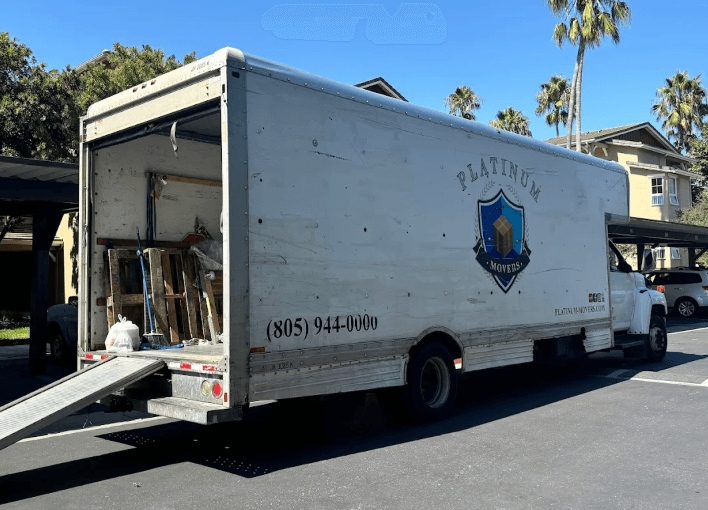
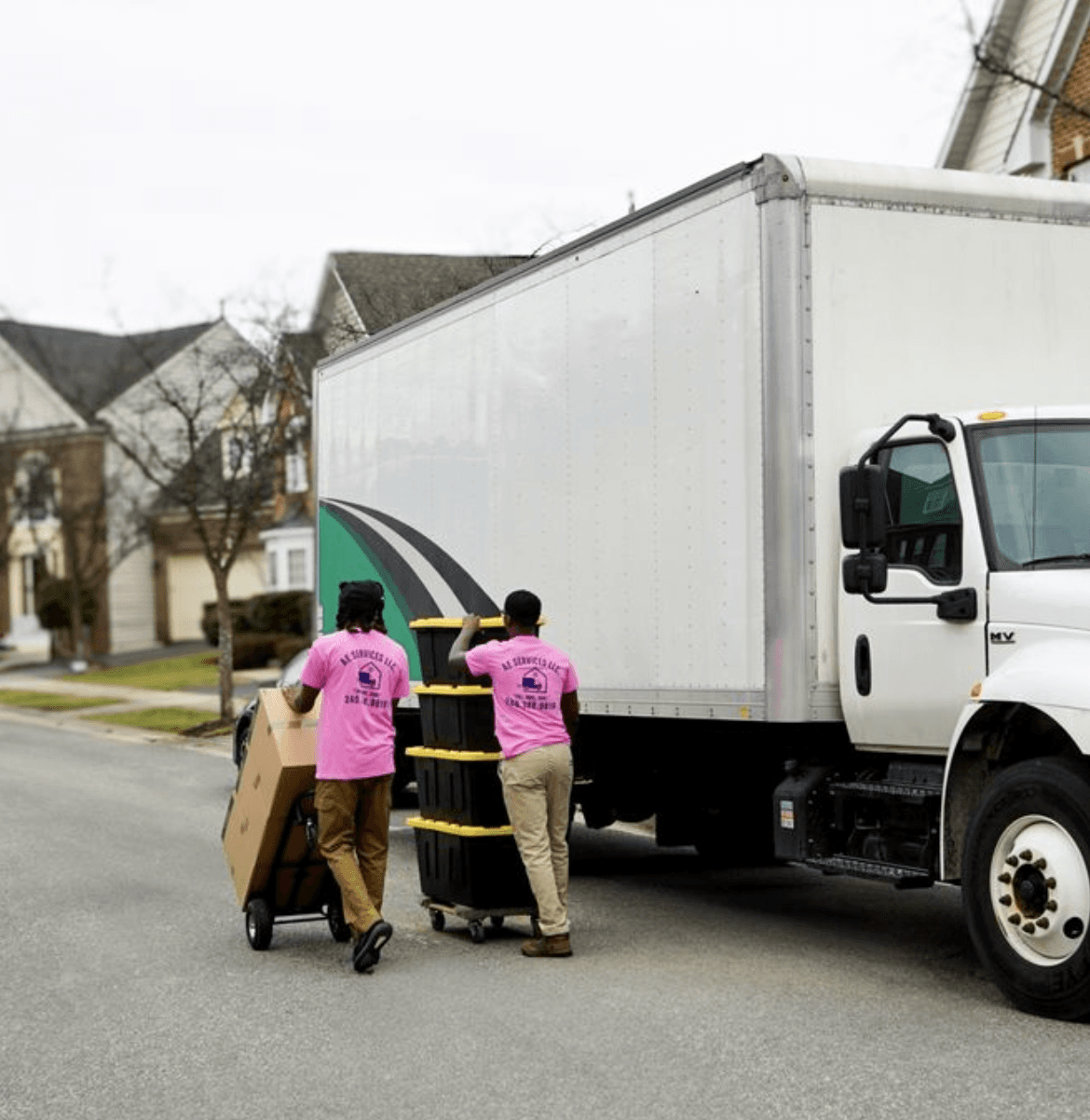
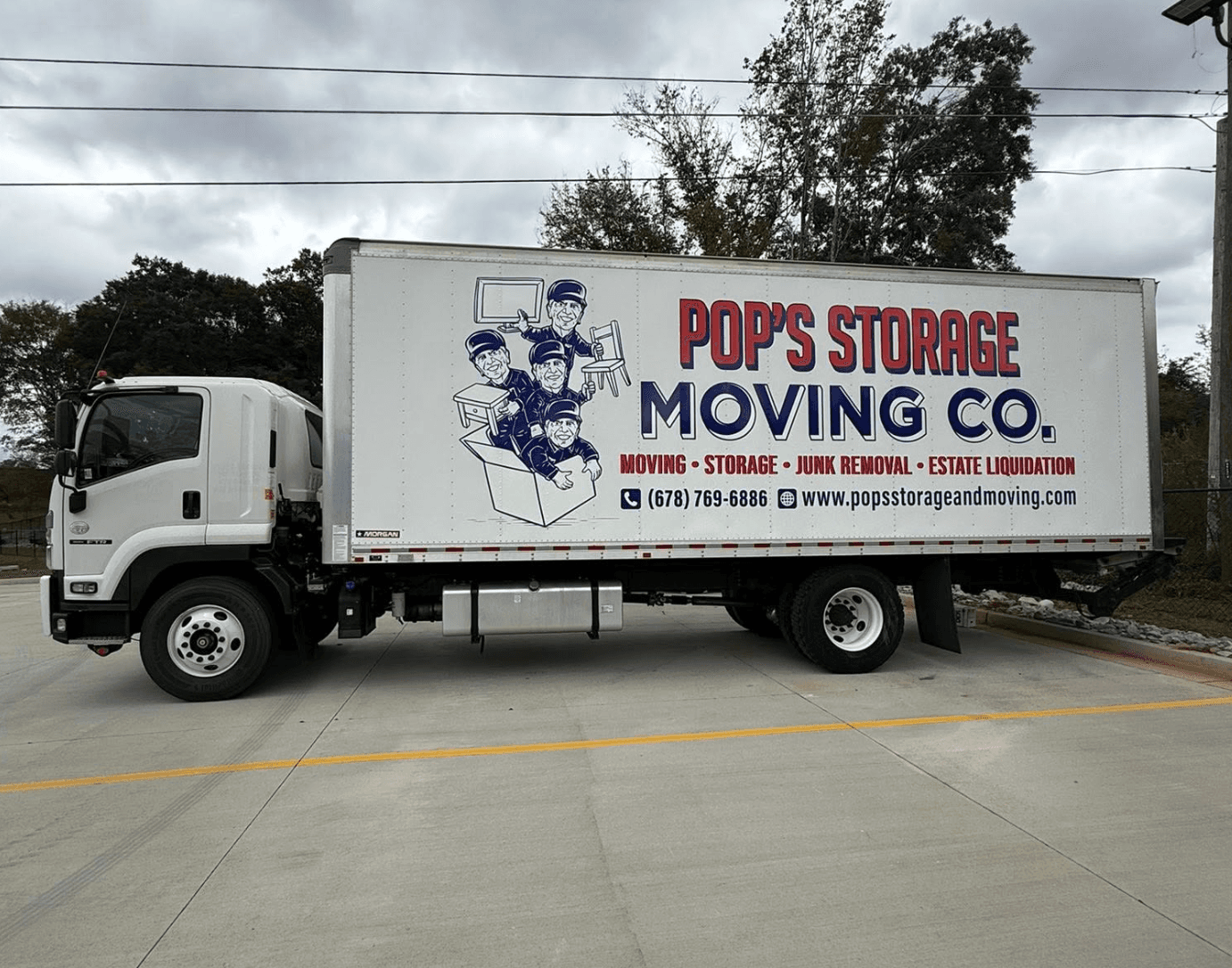
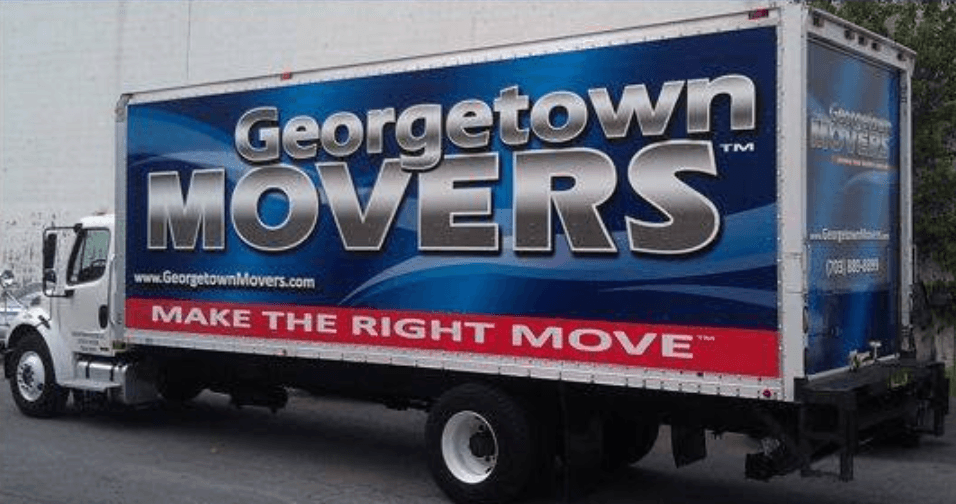
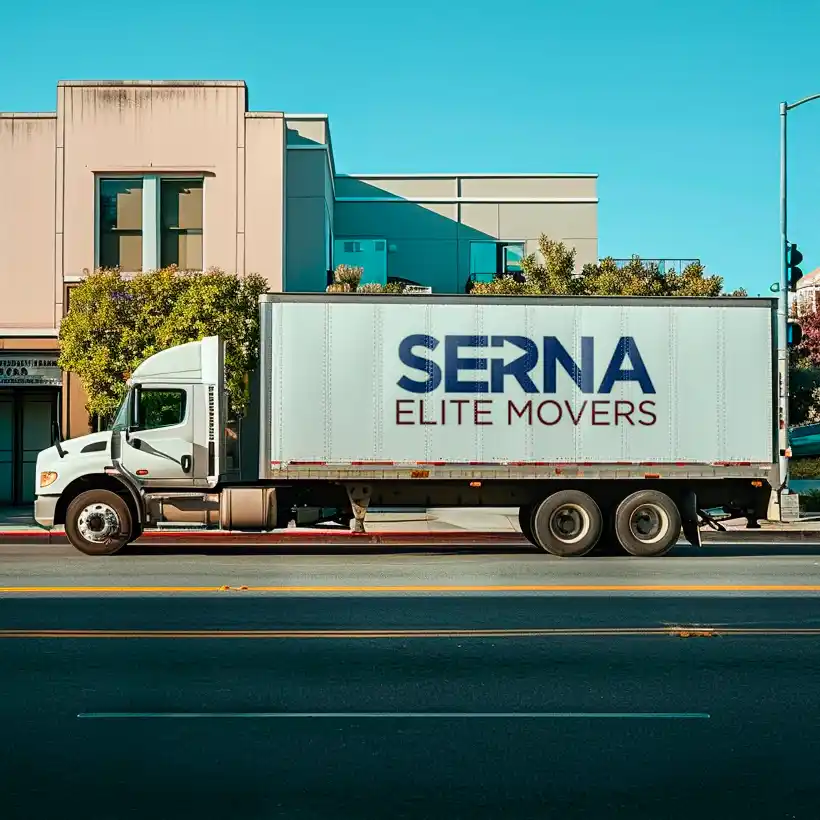
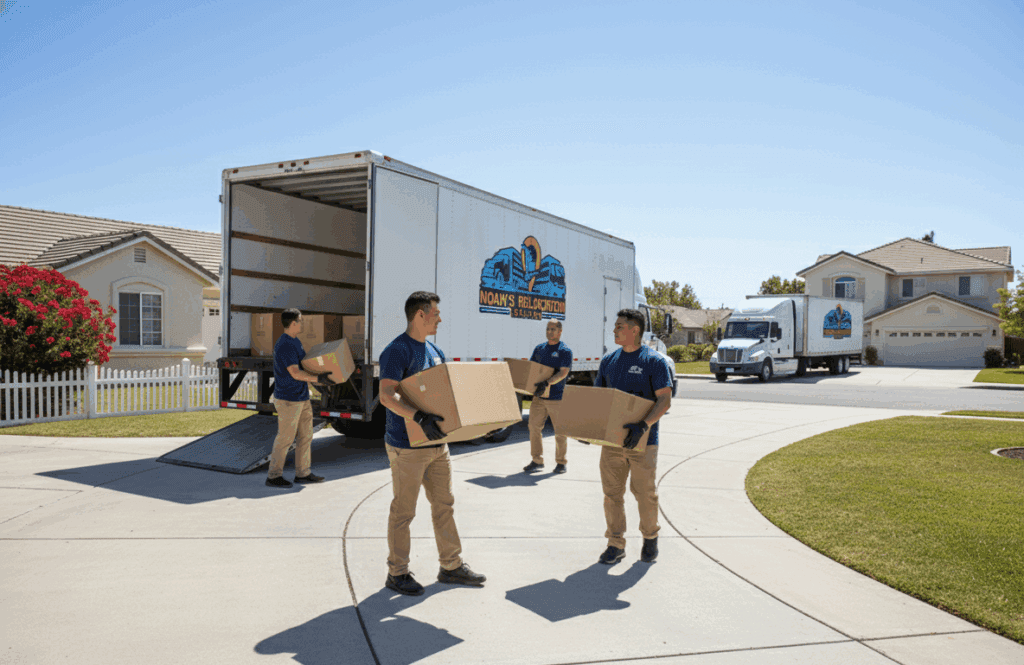
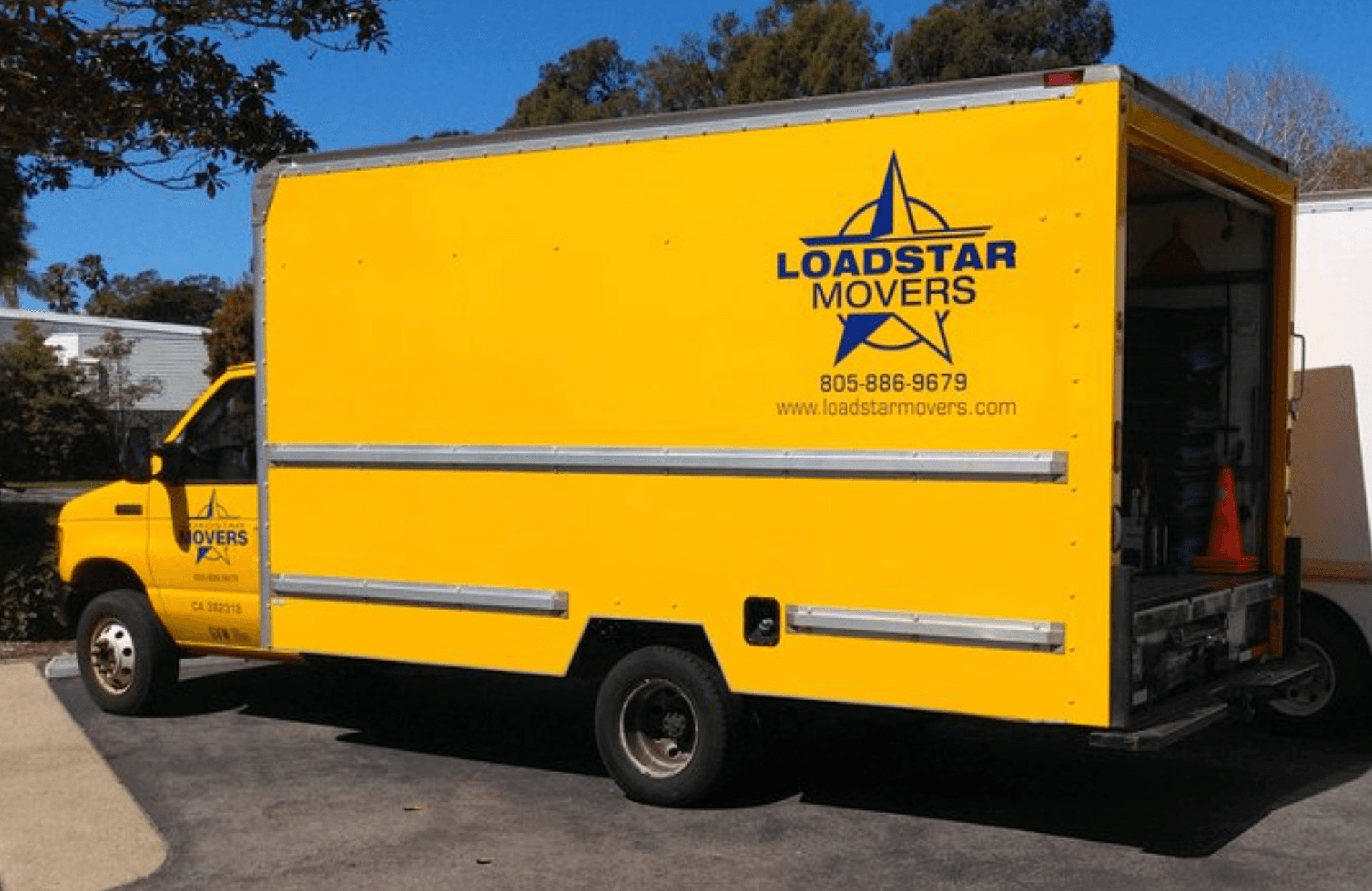
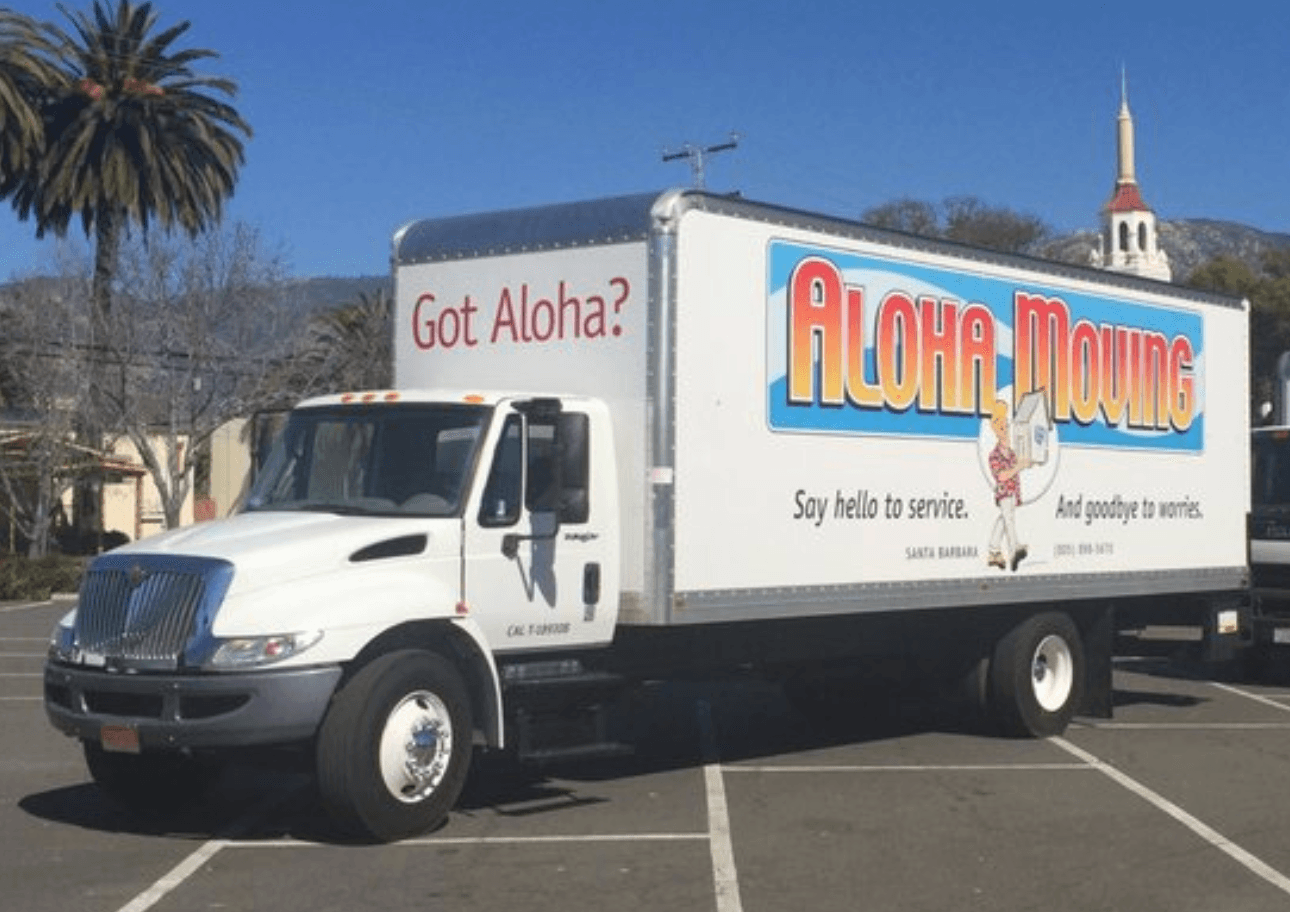
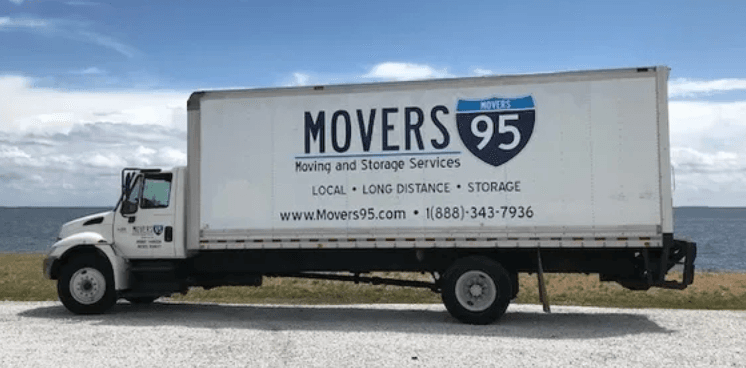
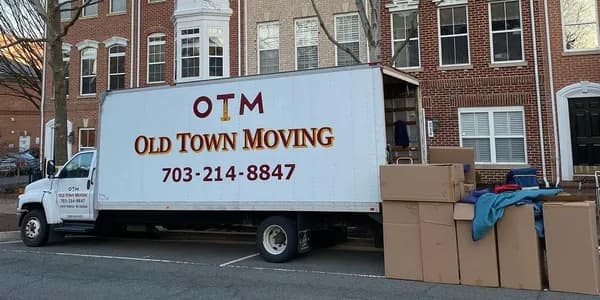
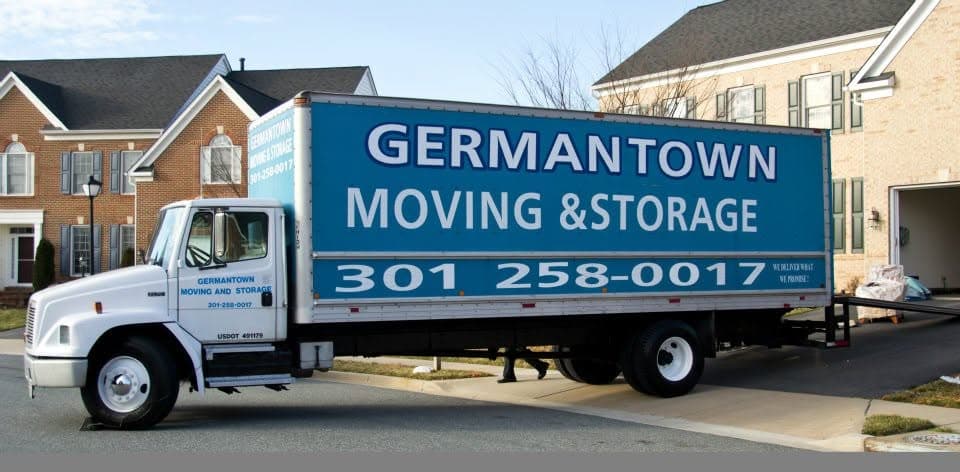
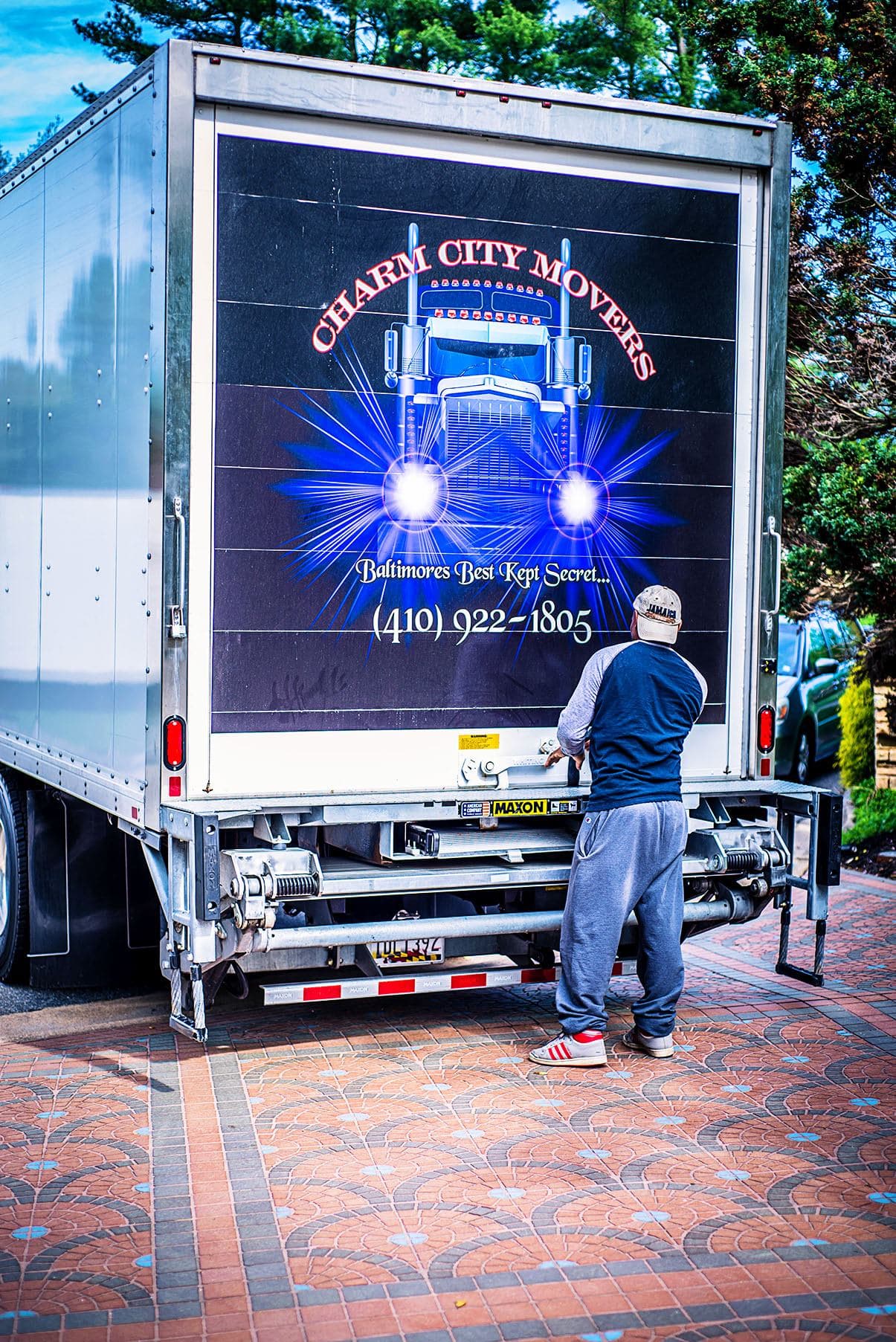
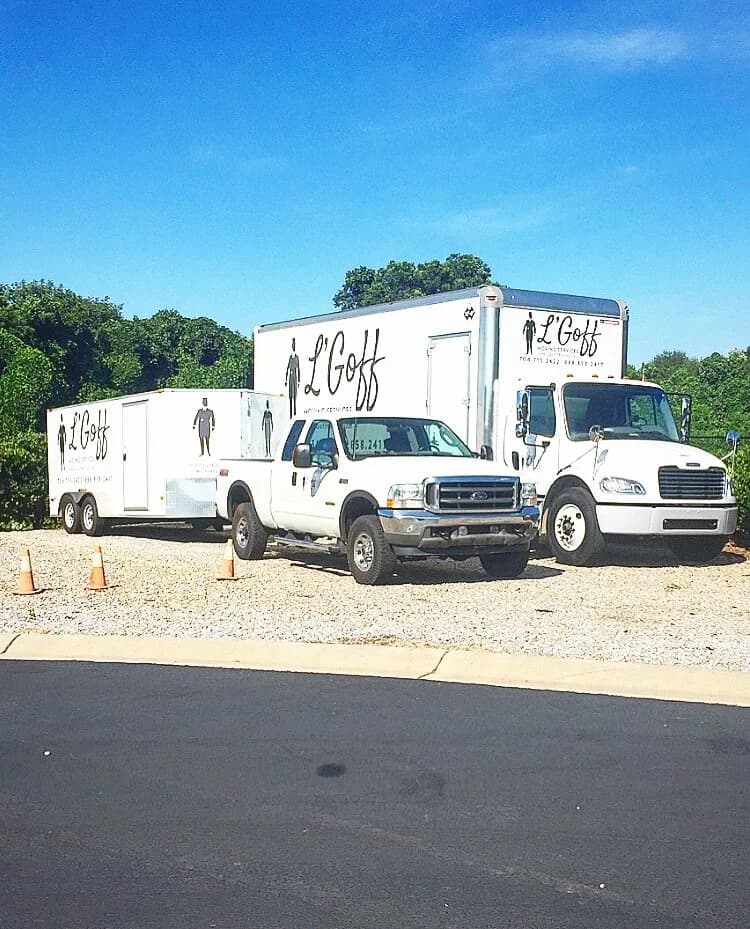
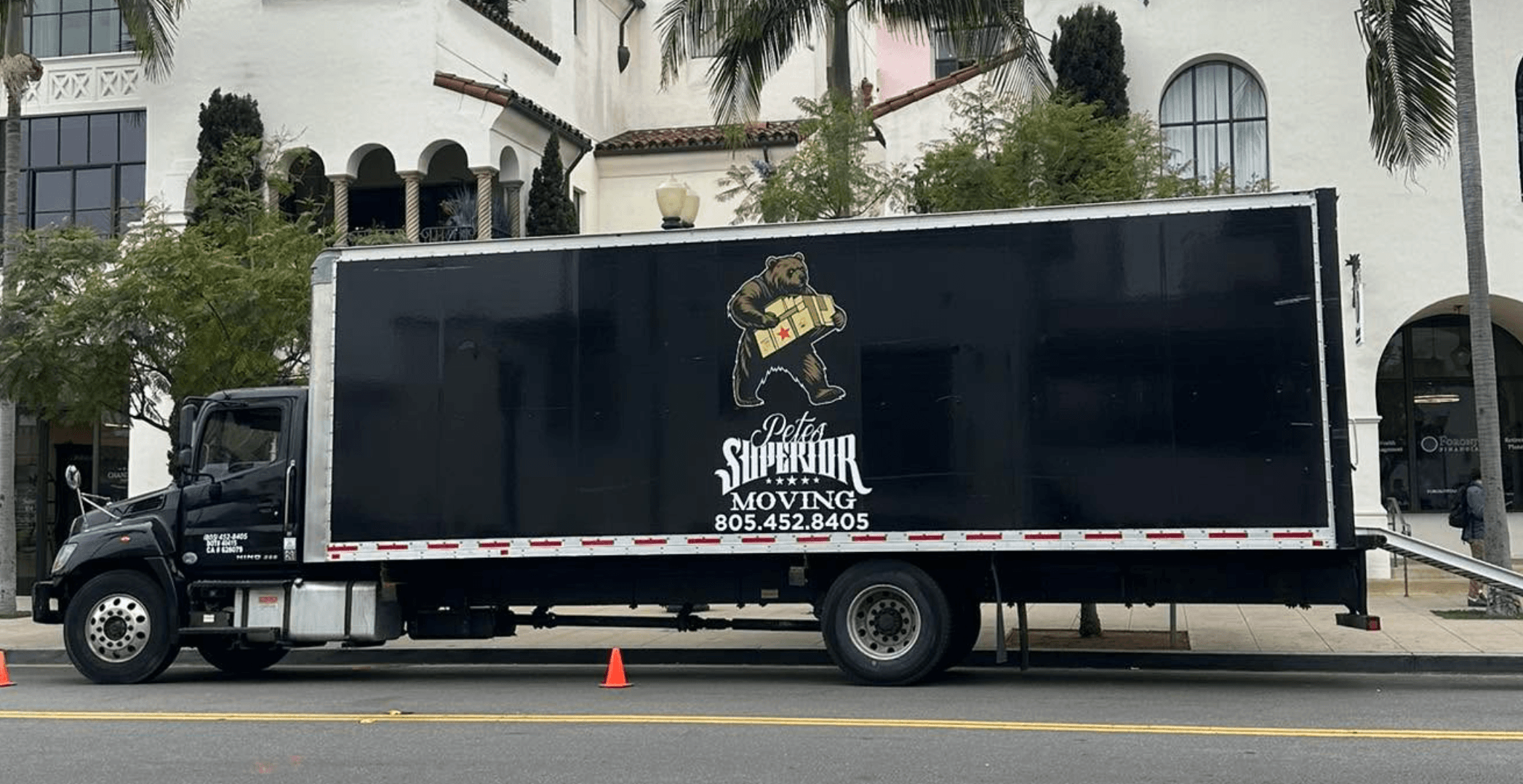
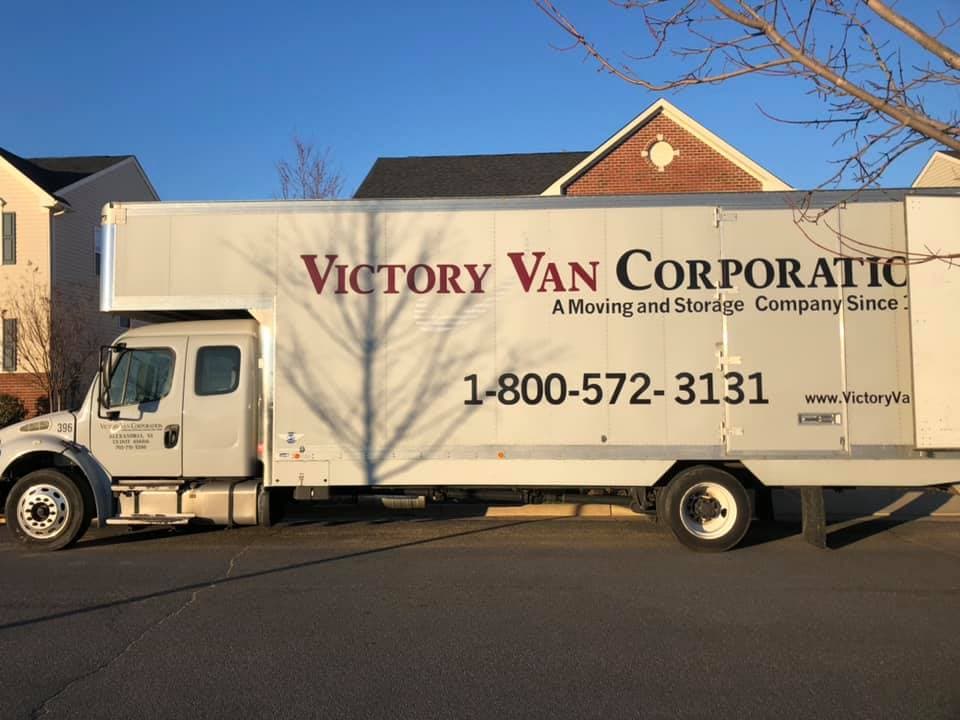
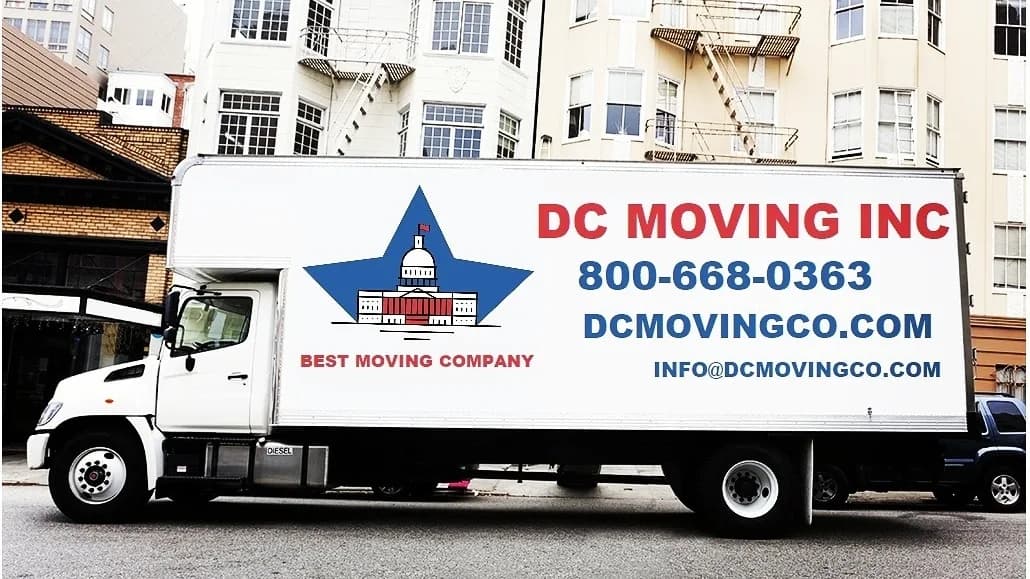
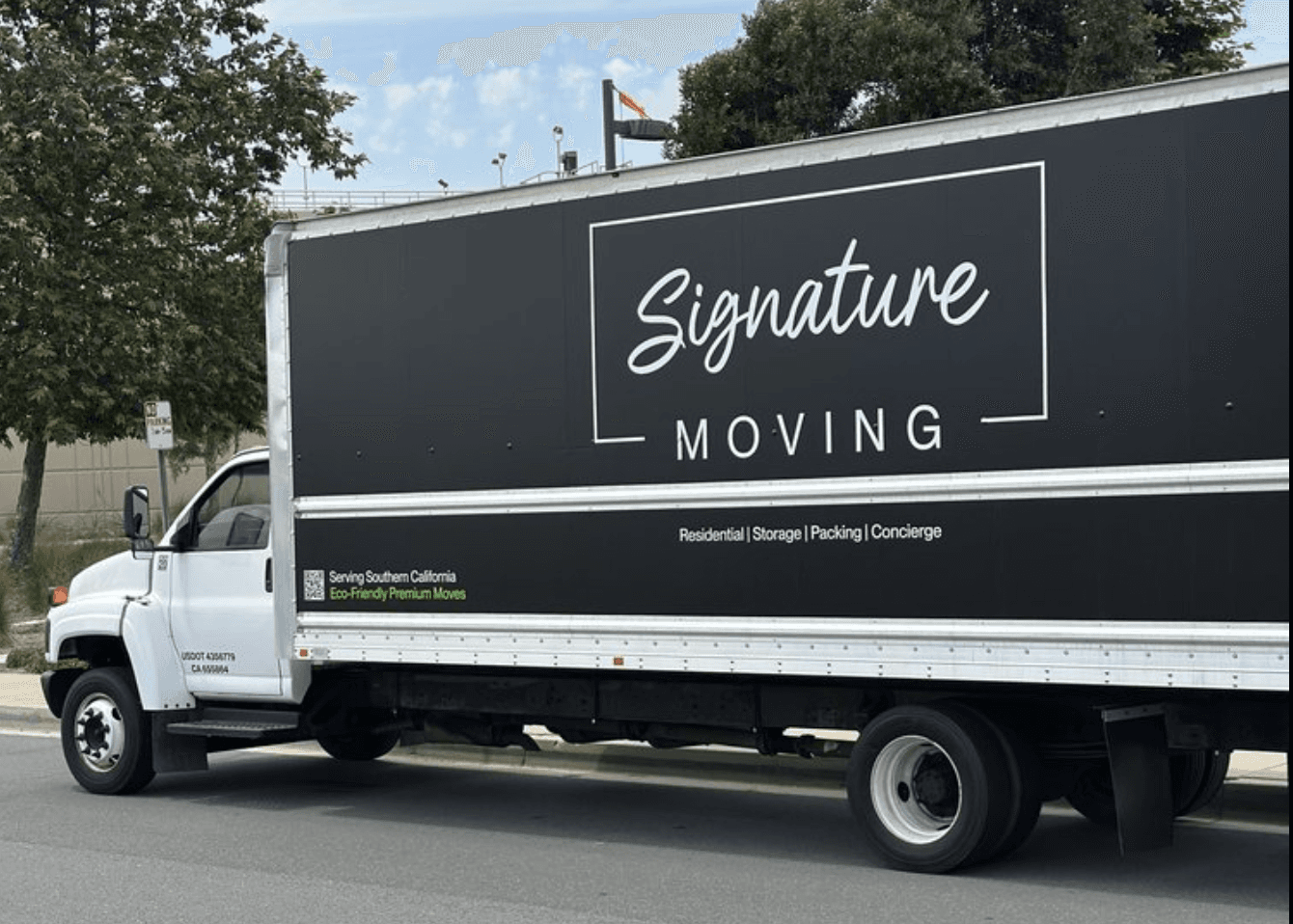
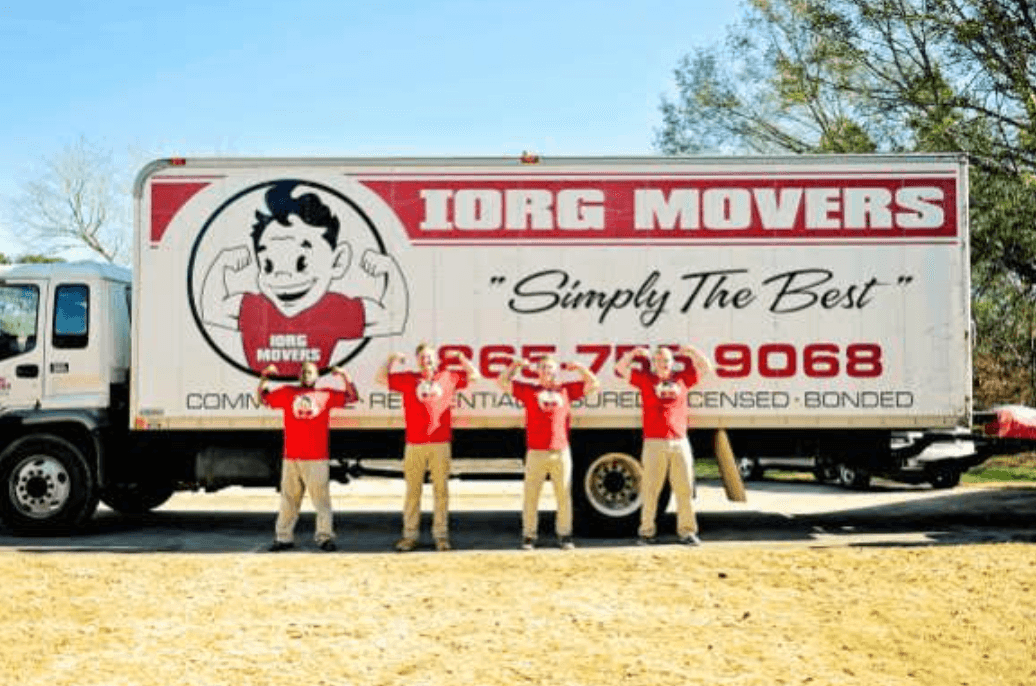
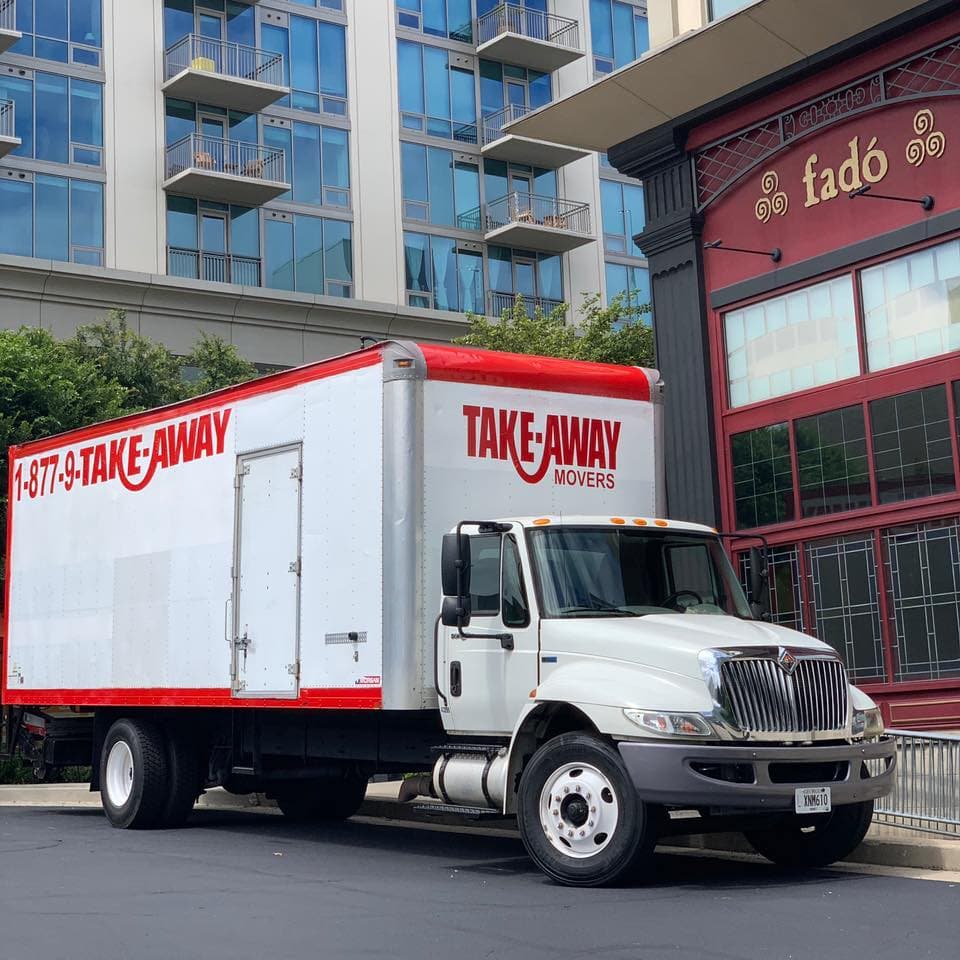
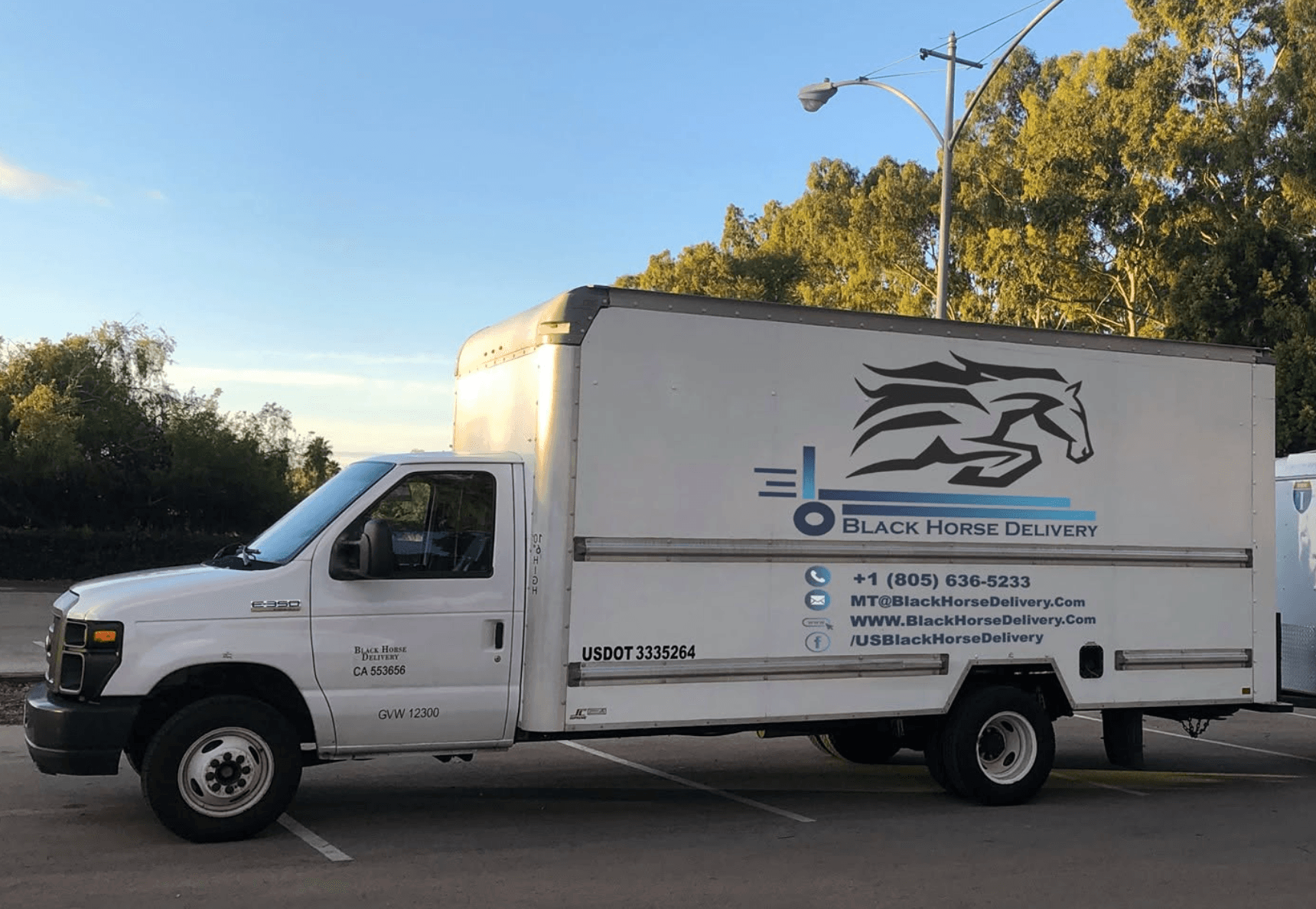
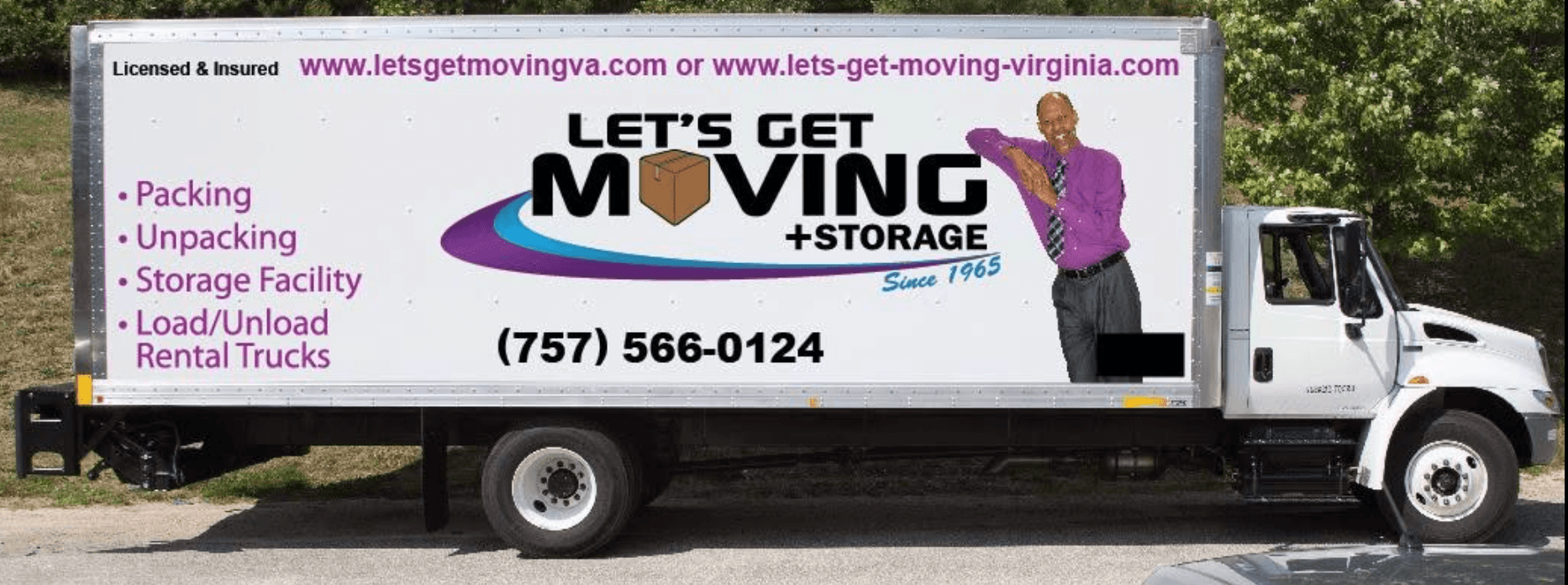
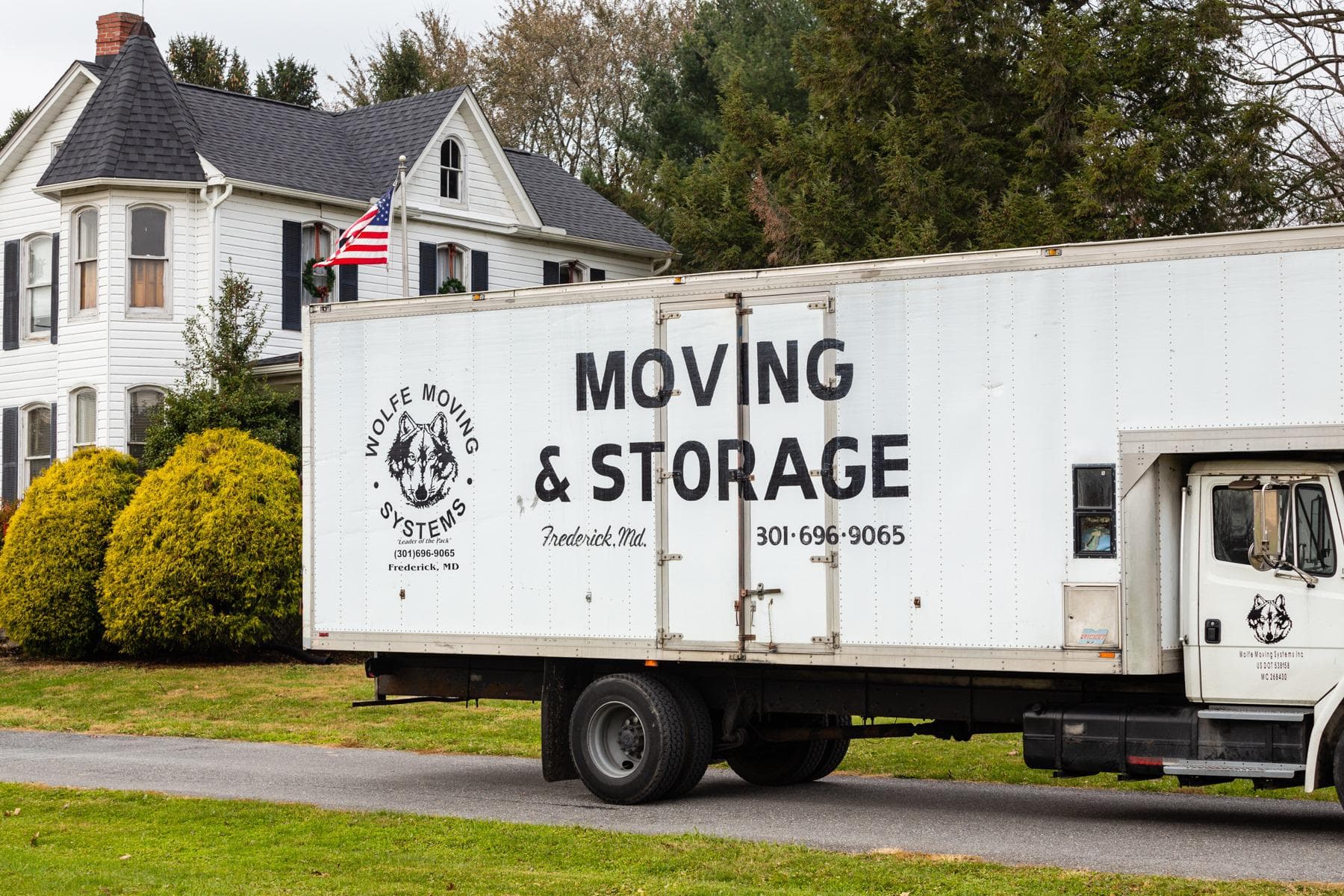
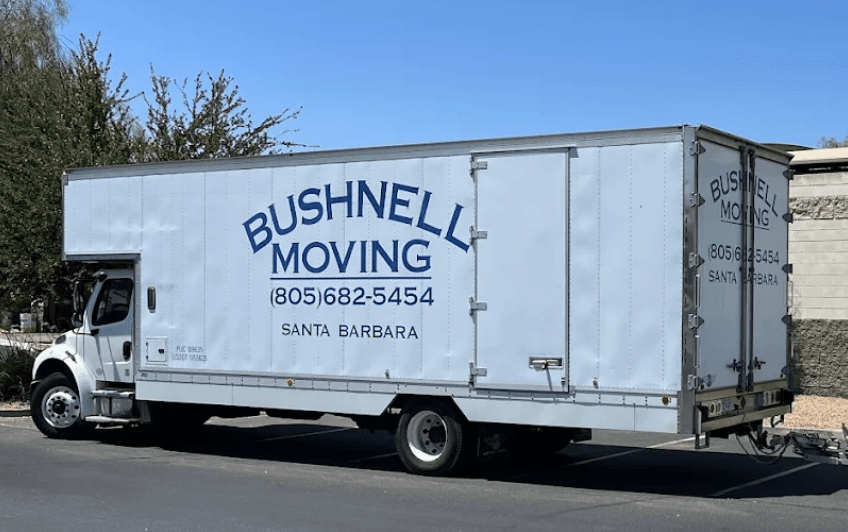
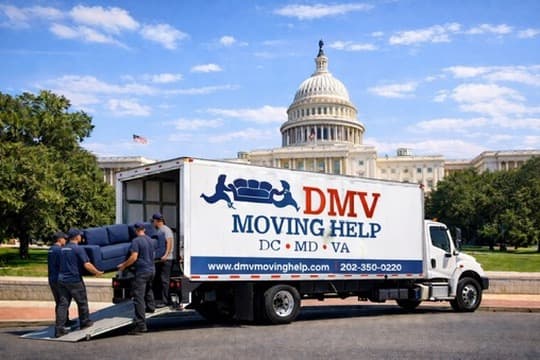
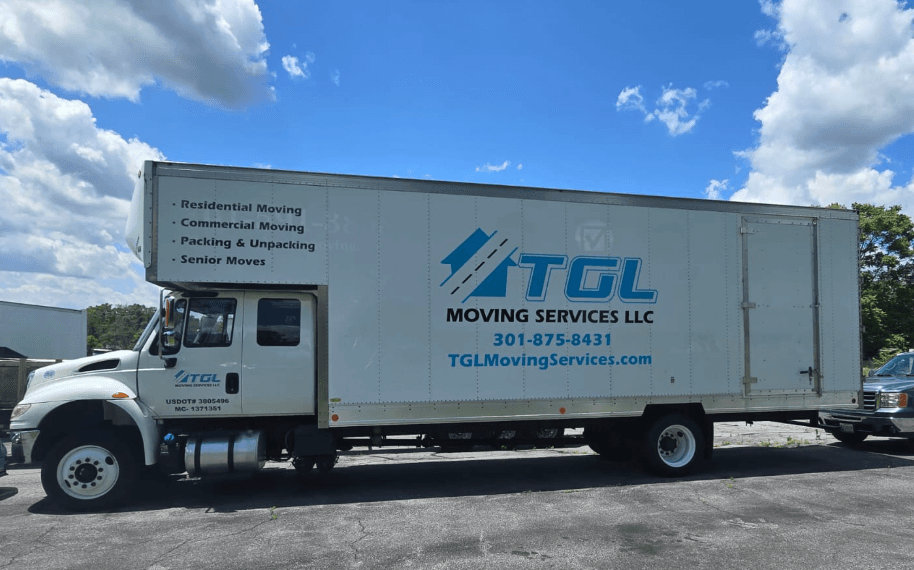
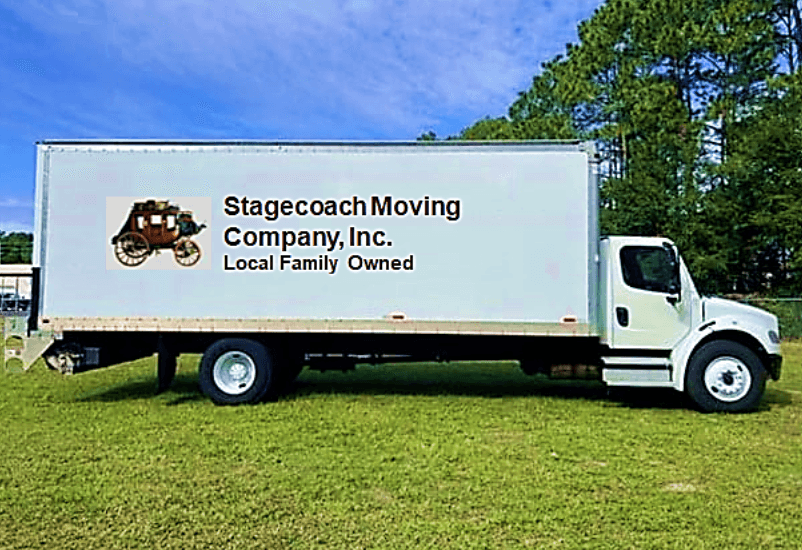
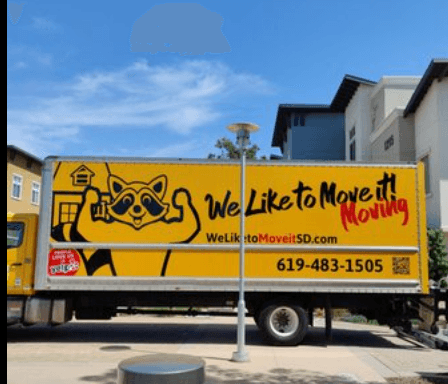
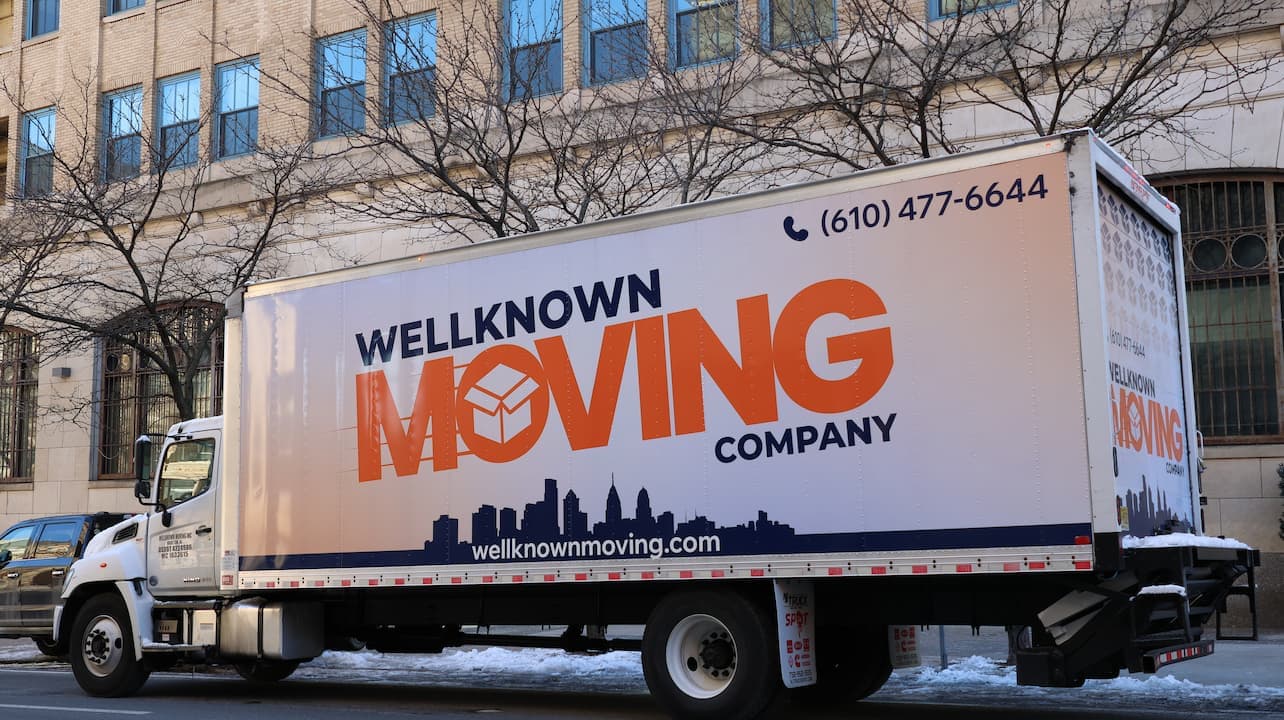
4. Look at the truck. On moving day, check the truck. Is it branded with the company's name? Or is it a rental (Penske, Ryder) or unmarked? Legitimate carriers use their own branded equipment.
5. Read the reviews carefully. If multiple reviews mention different company names or say "the actual movers were from [different company]", you are looking at a broker.
The Bottom Line
For local moves: Hire an independent, owner-operated mover. The owner is accountable, the crews are consistent, and pricing is competitive. Find movers near you.
For long-distance moves: Consider a van line agent or a large independent carrier with interstate authorization (MC number). Verify the USDOT and MC at safer.fmcsa.dot.gov. Get a binding estimate in writing.
For any move: Avoid brokers. If you cannot verify that the company owns trucks and employs crews, keep looking. The cheapest quote means nothing if your belongings are held hostage by an unknown carrier.
Always: Get 3+ quotes, verify USDOT numbers, read recent Google reviews (not just the star rating), and check the worst movers list for your area before booking.
Frequently Asked Questions
What is the difference between a mover and a moving broker?
A mover (also called a carrier) owns trucks, employs crews, and physically transports your belongings. A moving broker is a middleman that takes your booking and sells it to a carrier. The broker never touches your stuff. The problem: you have no control over which carrier shows up, and the broker often disclaims liability for damage. FMCSA requires brokers to disclose their status, but many do not make it obvious. Always ask: 'Will your own crew and trucks handle my move, or will you assign it to another company?'
Are van lines better than independent movers?
Not necessarily. Van lines (like Atlas, United, Mayflower, Bekins) are networks of independently owned local agents. The quality depends entirely on which local agent handles your move. A great local agent under a van line brand can be excellent, and a bad one can be terrible, regardless of the national name. The advantage of van lines is infrastructure for long-distance moves: established routes, relay systems, and warehouse networks. For local moves, an independent owner-operated mover often provides more personal, consistent service.
How do I know if a moving company is a broker?
Check their FMCSA registration at safer.fmcsa.dot.gov. Brokers are registered as 'Broker' under Operating Authority, not 'Carrier.' Other signs: they never mention their own trucks or crews, the contract references a different company name, reviews mention different crews or companies showing up, or they have no photos of their own equipment. If the movers who show up are wearing different uniforms than the company you booked, you likely hired a broker.
What is a franchise mover?
Franchise movers (like College Hunks Hauling Junk and Moving, Two Men and a Truck) are national brands where each location is independently owned and operated. The franchise owner pays for the brand name and follows certain standards, but hiring, training, equipment, and day-to-day operations vary by location. A great franchise location in one city does not guarantee the same experience in another. Always check the specific location's Google reviews, BBB profile, and FMCSA record, not the national brand's reputation.
Should I hire a local mover or a national company?
For local moves (same city or metro area), independent local movers are often the best value. They have lower overhead, the owner is usually involved, and you get consistent crews. For long-distance moves (500+ miles), van line agents or large carriers with interstate authorization and established routes tend to be more reliable. For any move, verify the company's USDOT number, read recent reviews, and get a binding estimate in writing.
What does USDOT and MC number mean?
USDOT (U.S. Department of Transportation) numbers are required for any mover operating in interstate commerce or transporting hazardous materials. MC (Motor Carrier) numbers authorize a company to transport household goods across state lines. A company can have a USDOT number without an MC number, meaning they are only authorized for intrastate (within one state) moves. For interstate moves, always verify both numbers at safer.fmcsa.dot.gov and confirm the operating authority says 'Authorized.'
What is a labor-only mover?
Labor-only movers provide workers to load and unload a truck that you rent yourself (like a U-Haul or Penske). They do not provide the truck, drive it, or handle transit. This is the cheapest option but you take on the driving, fuel, insurance, and liability during transit. Labor-only services typically cost $50 to $80 per mover per hour. This works best for small, local moves where you are comfortable driving a rental truck.
Related Guides
~$970 2BR local
~$2,460 2BR local
~$800 2BR local
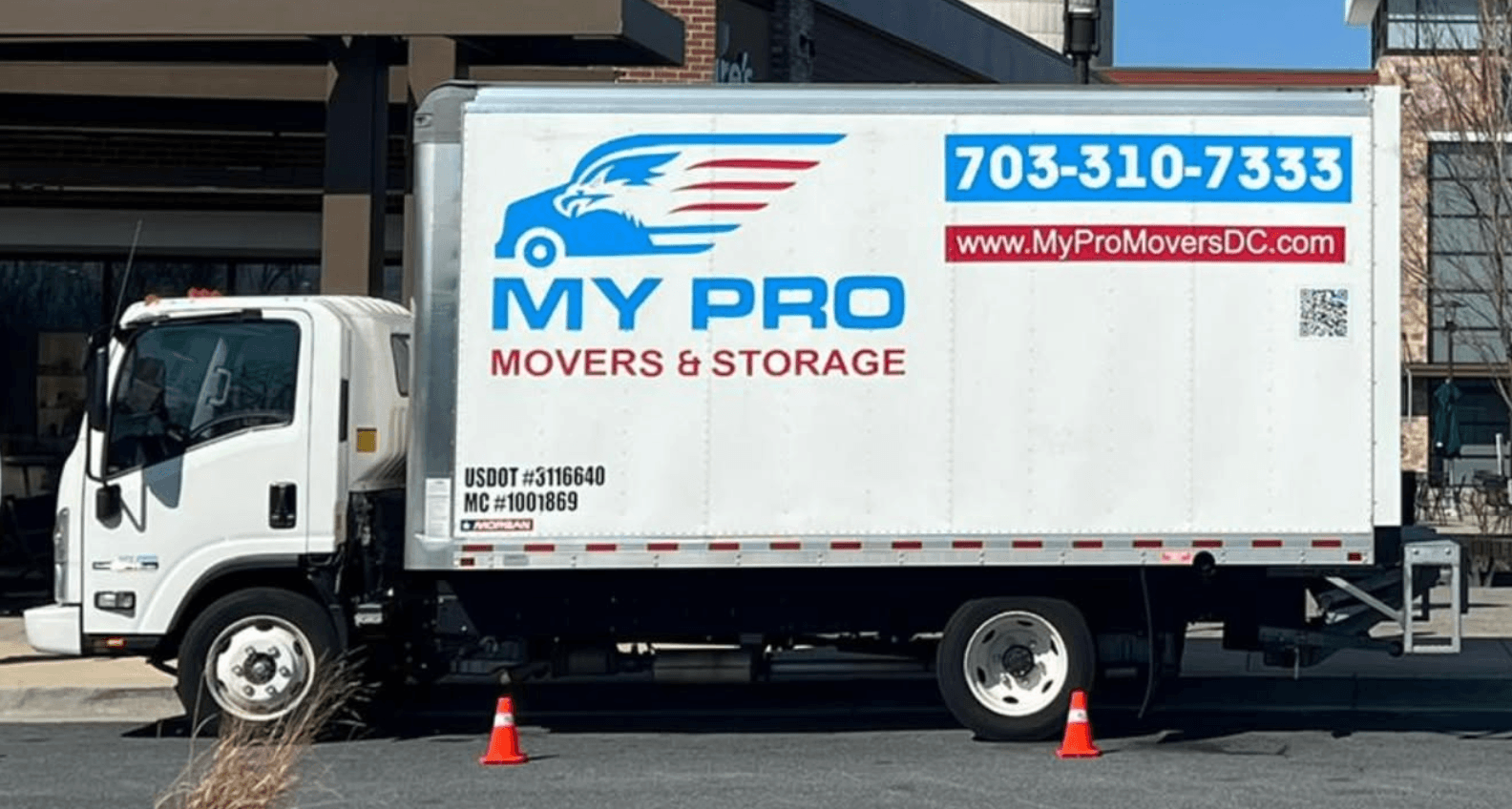
~$1,100 2BR local
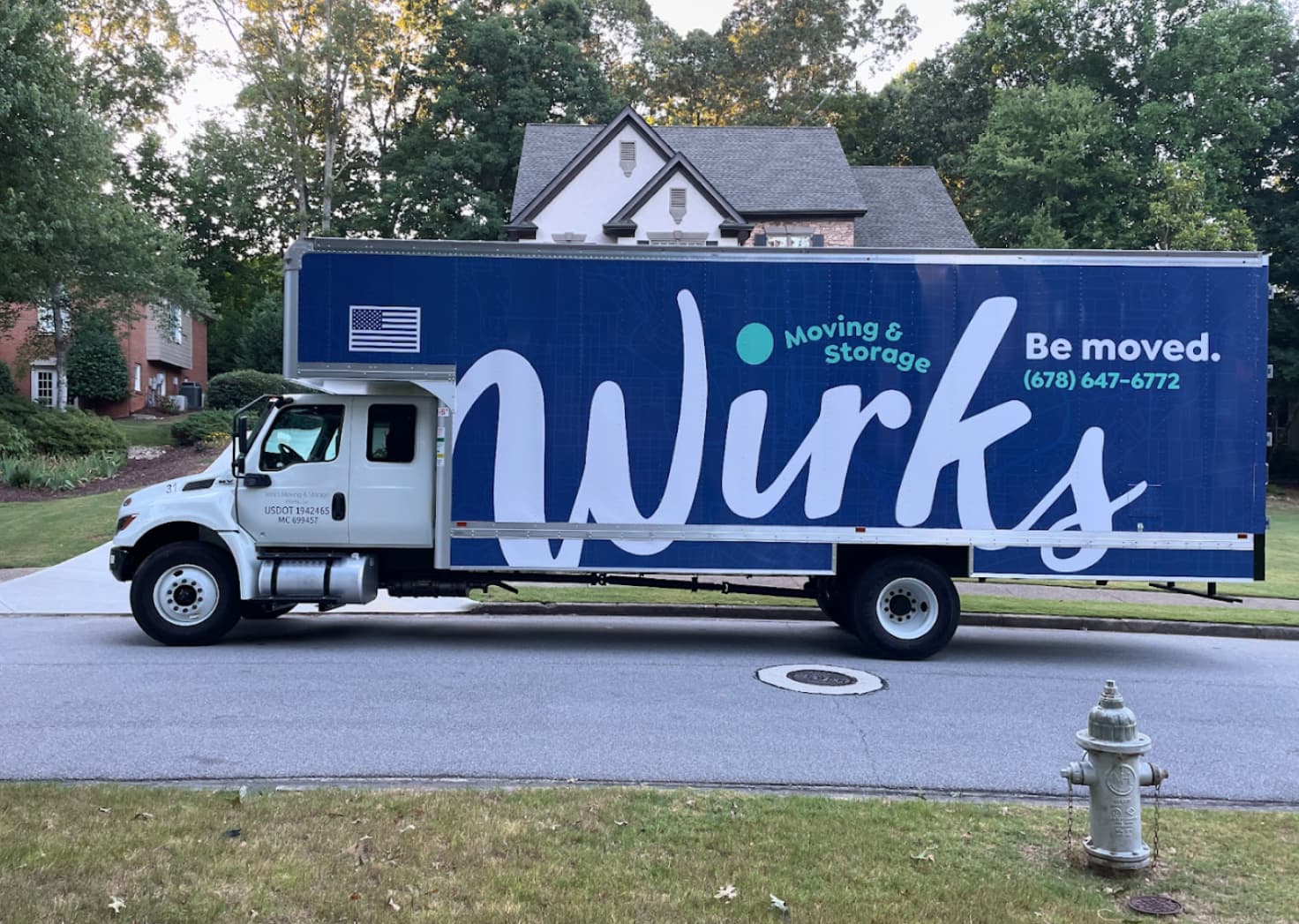
~$2,500 2BR local
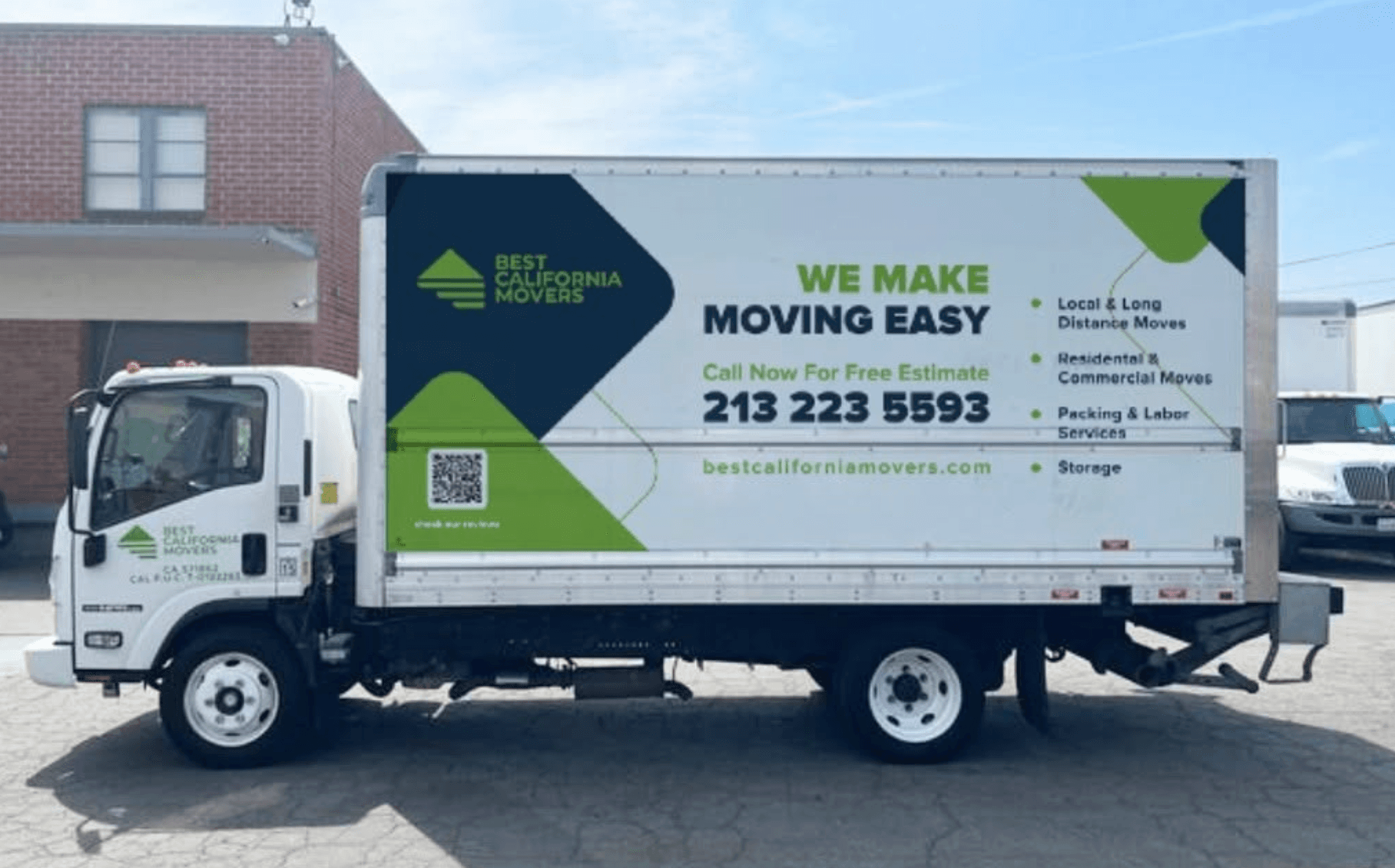
~$545 2BR local
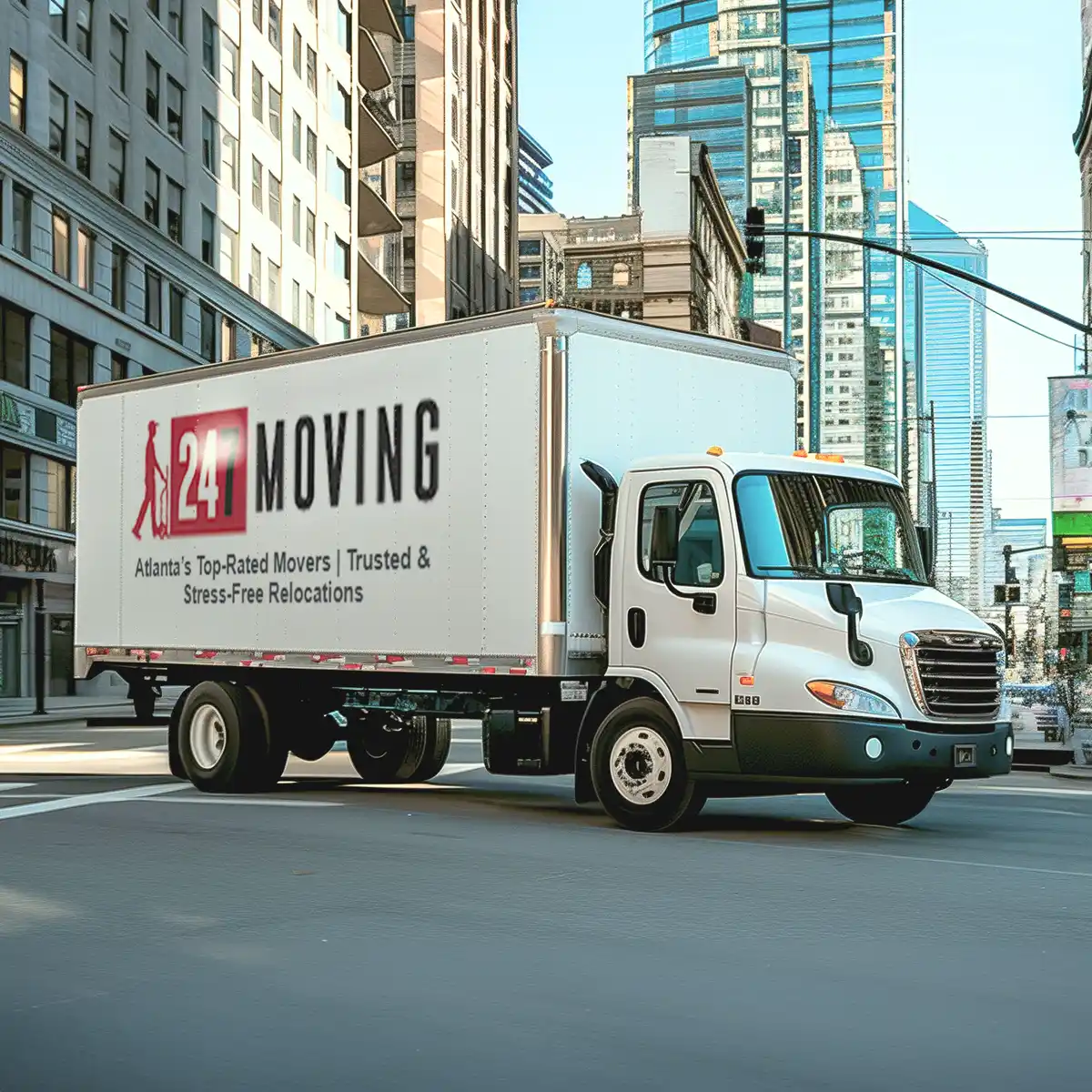
~$854 2BR local
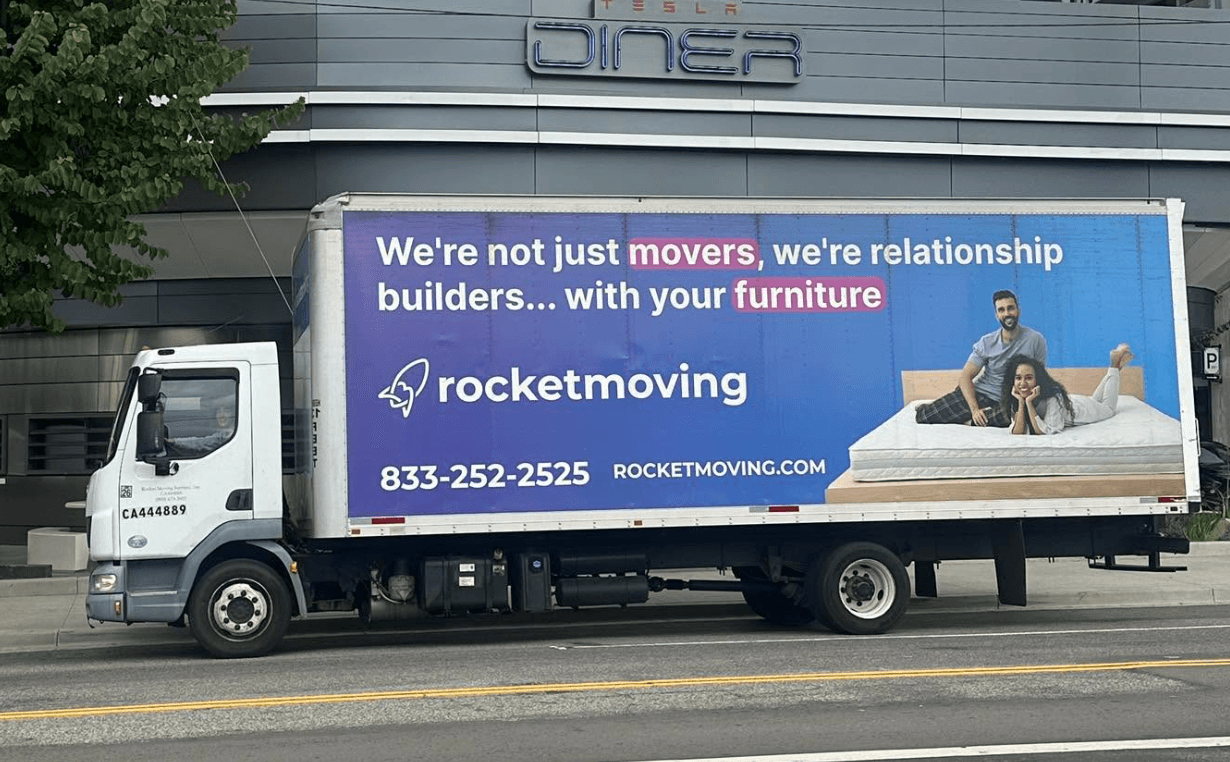
~$750 2BR local
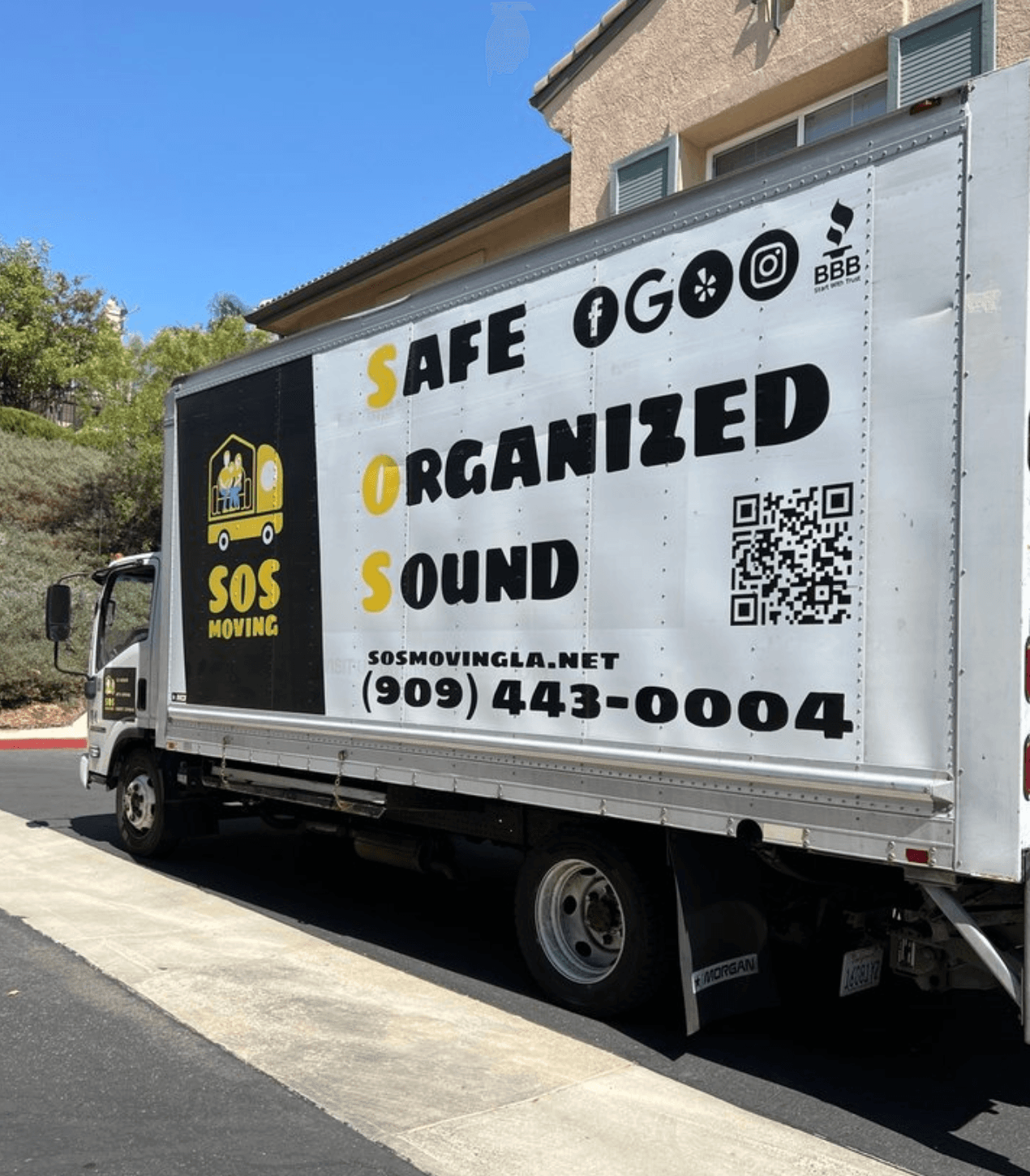
~$700 2BR local
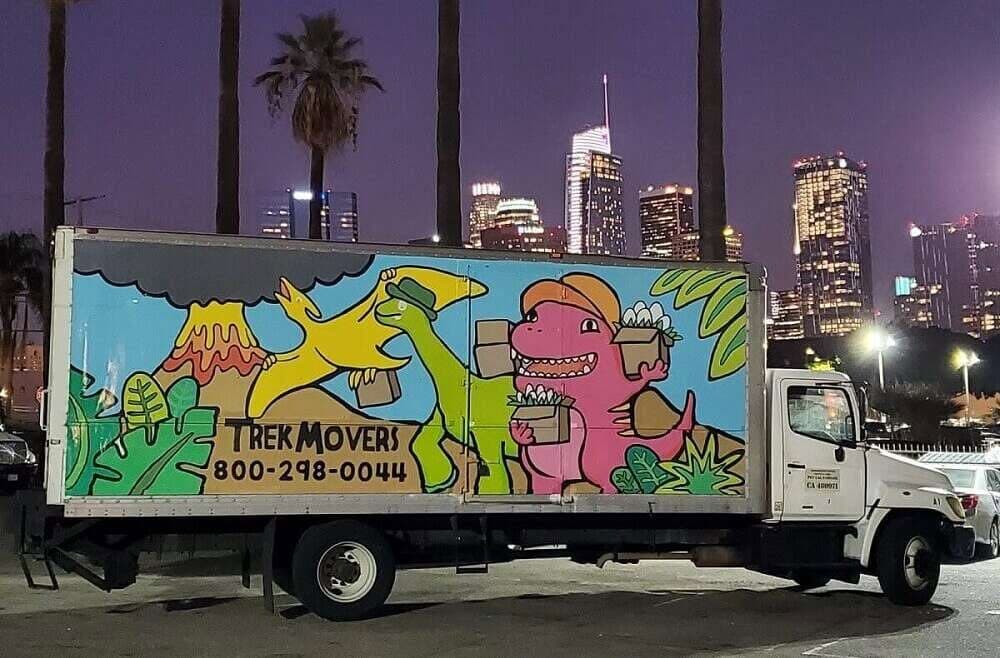
~$750 2BR local
~$1,430 2BR local
~$1,250 2BR local
~$845 2BR local

~$1,777 2BR local
~$2,000 2BR local
~$1,105 2BR local
~$1,196 2BR local
~$1,250 2BR local
~$1,052 2BR local

~$2,325 2BR local
~$750 2BR local
~$750 2BR local
~$900 2BR local

~$1,658 2BR local
~$728 2BR local
~$700 2BR local
~$750 2BR local
~$6,400 2BR local
~$780 2BR local
~$750 2BR local
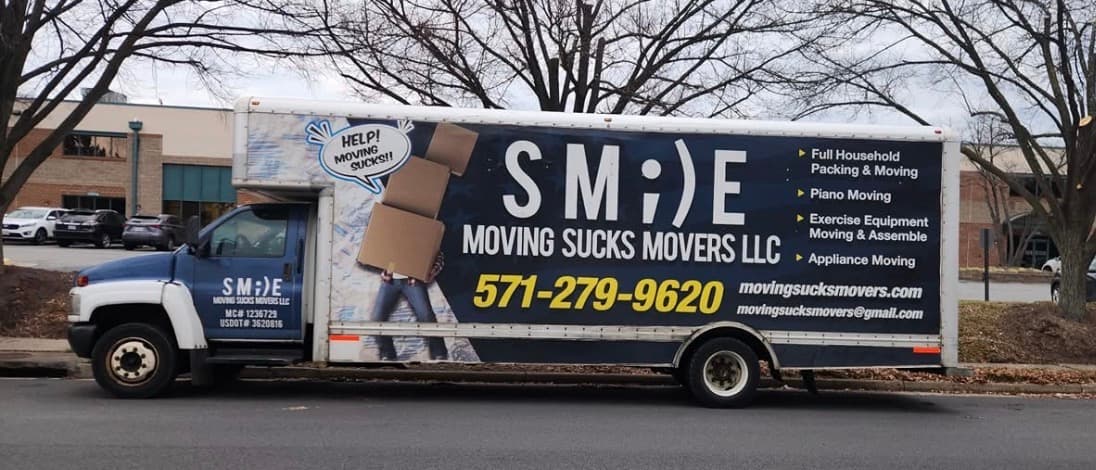
~$1,200 2BR local
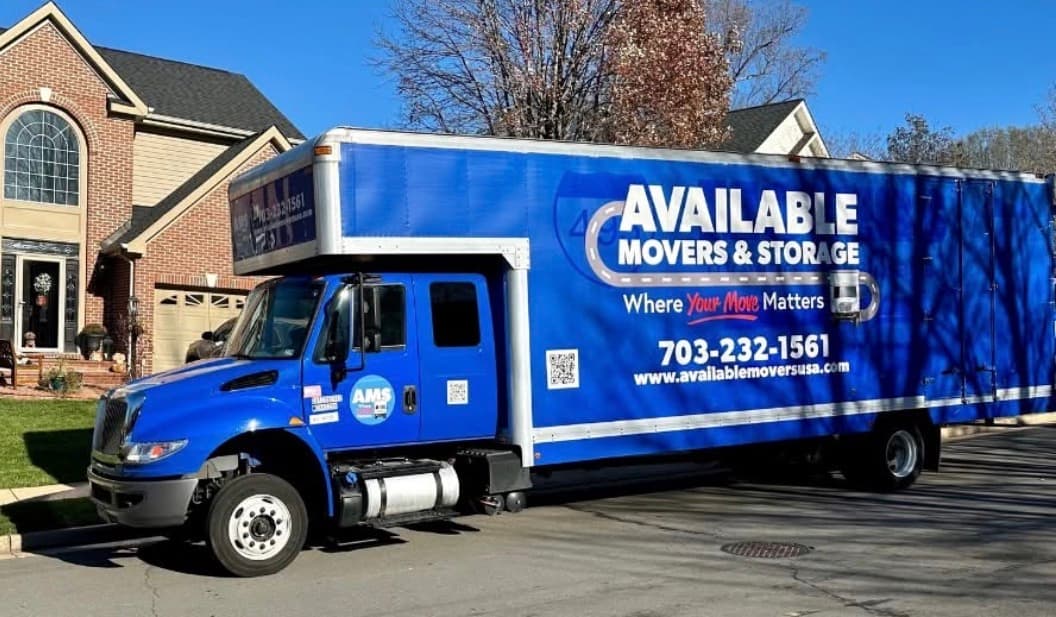
~$280 2BR local
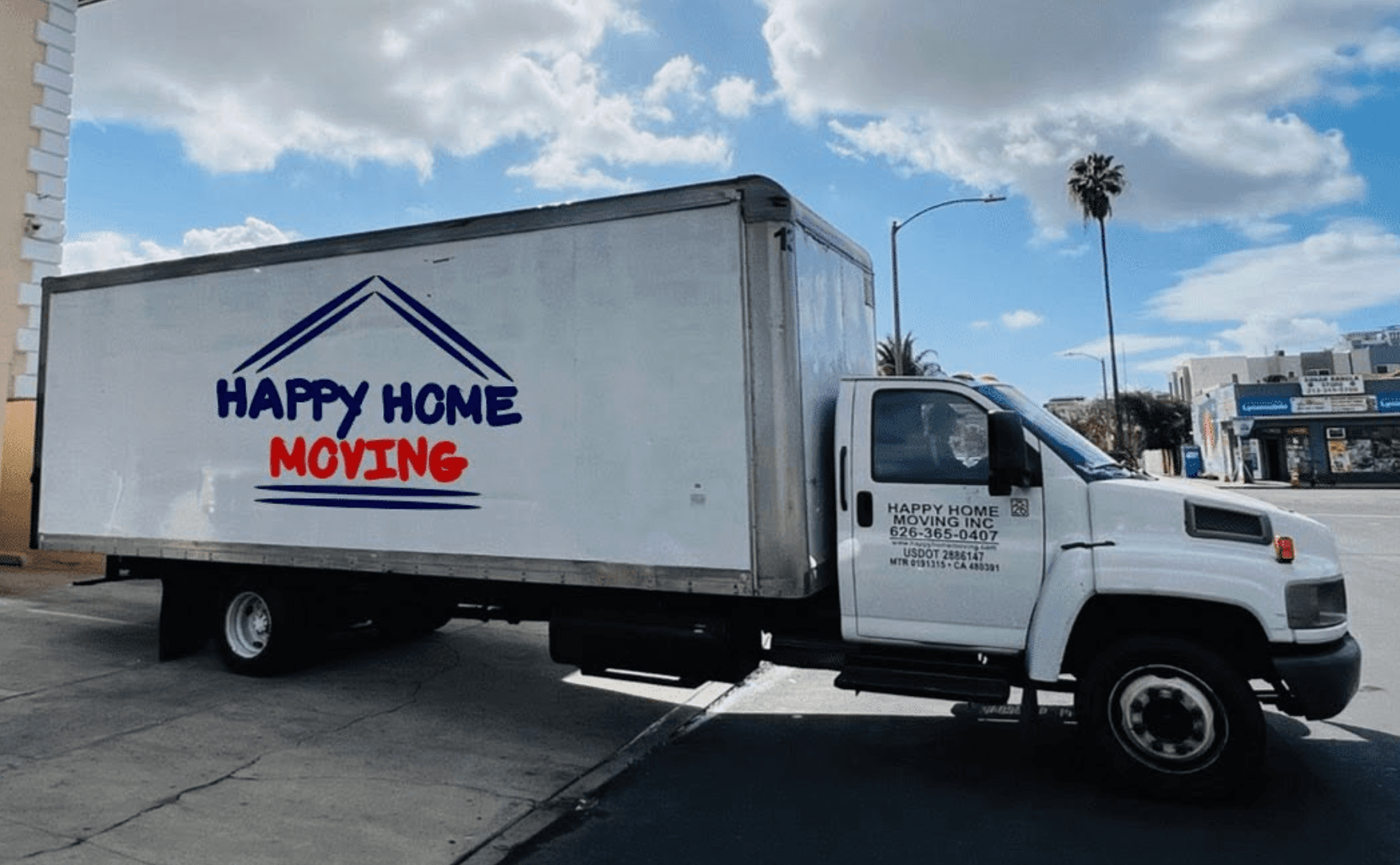
~$650 2BR local
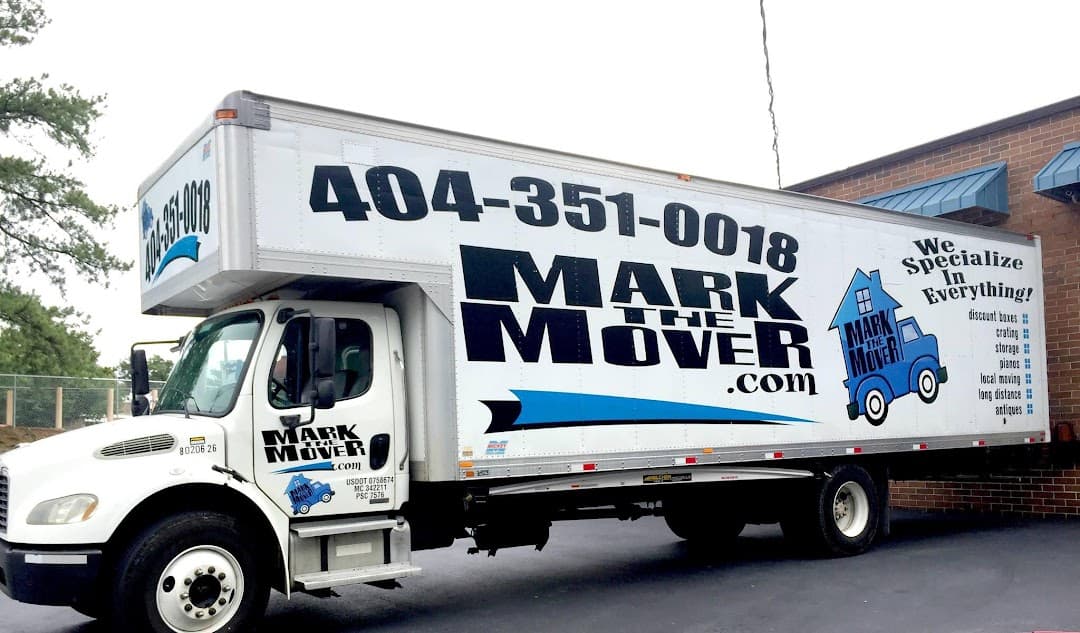
~$1,554 2BR local
~$610 2BR local
~$700 2BR local

~$950 2BR local
~$2,162 2BR local

~$1,979 2BR local
~$2,170 2BR local

~$2,055 2BR local




~$970 2BR local
~$2,460 2BR local
~$800 2BR local
~$1,100 2BR local
~$2,500 2BR local
~$545 2BR local
~$854 2BR local
~$750 2BR local
~$700 2BR local
~$750 2BR local
~$1,430 2BR local
~$1,250 2BR local
~$845 2BR local
~$1,777 2BR local
~$2,000 2BR local
~$1,105 2BR local
~$1,196 2BR local
~$1,250 2BR local
~$1,052 2BR local
~$2,325 2BR local
~$750 2BR local
~$750 2BR local
~$900 2BR local
~$1,658 2BR local
~$728 2BR local
~$700 2BR local
~$750 2BR local
~$6,400 2BR local
~$780 2BR local
~$750 2BR local
~$1,200 2BR local
~$280 2BR local
~$650 2BR local
~$1,554 2BR local
~$610 2BR local
~$700 2BR local
~$950 2BR local
~$2,162 2BR local
~$1,979 2BR local
~$2,170 2BR local
~$2,055 2BR local