PCS Move Guide (2026)
Everything you need to know about military PCS moves. Move types, weight allowances by rank, entitlements, damage claims, and the mistakes that cost service members time and money.
Updated 2026-09-14
What is a PCS Move?
A Permanent Change of Station (PCS) is a military-ordered relocation from one duty station to another, including CONUS (within the continental U.S.), OCONUS (overseas), and separation or retirement moves. The Department of Defense authorizes and funds the move through your branch's transportation office.
PCS moves happen frequently. The average active-duty service member moves every 2 to 3 years. Understanding your options and entitlements can save you thousands of dollars and weeks of frustration.
Types of PCS Moves
Government-Arranged Move (HHG)
The military contracts a Transportation Service Provider (TSP) to pack, load, transport, unload, and unpack your household goods (HHG). Under the Global Household Goods Contract (GHC), you do not choose the mover. The TSP is assigned based on capacity and performance scores. The government pays the mover directly. Your responsibility is to be present at pickup and delivery, document inventory, and file claims for any damage.
Personally Procured Move (PPM / DITY)
You move your own belongings and receive reimbursement based on what the government would have paid a contractor. This is calculated by weight and distance. You can rent a truck, hire a moving company of your choosing, or use a portable container. The key requirement: you must get certified weight tickets (loaded and empty) for reimbursement. Many service members profit from PPM moves if their actual costs are lower than the government rate.
Partial PPM (Combination Move)
The government moves the bulk of your household goods via HHG while you personally transport a portion (often high-value or essential items) and receive PPM reimbursement for that weight. This is a good option if you want the convenience of a government-arranged move but also want to keep certain items under your control and earn some reimbursement on the side.
Weight Allowances by Rank
Your weight allowance determines how much the government will ship at no cost to you. Exceeding your allowance means you pay the overage out of pocket, which can cost hundreds or thousands of dollars. Professional books, papers, and equipment (PBP&E) have a separate allowance: up to 2,000 lbs for officers and 500 lbs for enlisted members.
| Pay Grade | Without Dependents | With Dependents |
|---|---|---|
| E-1 | 5,000 lbs | 8,000 lbs |
| E-2 | 5,000 lbs | 8,000 lbs |
| E-3 | 5,000 lbs | 8,000 lbs |
| E-4 | 7,000 lbs | 8,000 lbs |
| E-5 | 7,000 lbs | 9,000 lbs |
| E-6 | 8,000 lbs | 11,000 lbs |
| E-7 | 10,500 lbs | 12,500 lbs |
| E-8 | 12,000 lbs | 13,500 lbs |
| E-9 | 13,000 lbs | 14,500 lbs |
| O-1 / W-1 | 10,000 lbs | 12,000 lbs |
| O-2 / W-2 | 10,000 lbs | 12,500 lbs |
| O-3 / W-3 | 11,000 lbs | 13,500 lbs |
| O-4 / W-4 | 12,000 lbs | 14,000 lbs |
| O-5 / W-5 | 13,000 lbs | 14,500 lbs |
| O-6 | 14,000 lbs | 15,000 lbs |
| O-7 | 15,000 lbs | 16,000 lbs |
| O-8 to O-10 | 17,000 lbs | 18,000 lbs |
Source: Joint Travel Regulations (JTR), Chapter 5. Verify current rates with your transportation office, as allowances are updated periodically.
PCS Entitlements and Allowances
DLA (Dislocation Allowance)
A lump-sum payment to offset relocation expenses like security deposits, utility hookups, and other incidental costs. Rates vary by pay grade and dependency status, typically ranging from $2,000 to $4,400. Paid once per PCS order. You do not need to submit receipts. DLA is taxable income.
TLE (Temporary Lodging Expense)
Reimburses lodging and meal costs when you are between homes during a CONUS move. You can claim up to 14 days total (combined at origin and destination). TLE covers a portion of lodging and a per diem for meals based on the locality rate. For OCONUS moves, the equivalent is TLA (Temporary Lodging Allowance), which can cover up to 60 days and is generally more generous.
MALT (Monetary Allowance in Lieu of Transportation)
A mileage-based allowance for driving your privately owned vehicle (POV) to your new duty station. The rate is set annually (similar to the IRS mileage rate) and is paid per authorized mile of the official distance. If you have dependents traveling separately by car, you may receive MALT for a second vehicle. Tolls and ferry costs are reimbursable separately.
Per Diem (Travel Days)
You receive per diem for meals and incidental expenses during authorized travel days. The number of travel days is based on the official distance (typically 350 miles per day by car). Per diem rates vary by location. The first and last travel days are paid at 75% of the daily rate.
PCS Move Timeline
As Soon as Orders Drop
Contact your transportation office (TO). Log into move.mil and create your move. Start counseling with your local Personal Property Office. Decide between HHG, PPM, or a combination move.
8+ Weeks Before
Schedule your pack and pickup dates through the TO. Begin decluttering to stay under your weight allowance. Get quotes if doing a PPM. Arrange temporary housing at your destination if needed.
4 to 6 Weeks Before
Confirm pack/pickup dates. Start separating items you will hand-carry (documents, medications, valuables). Notify your landlord if renting. Begin address changes with USPS, banks, and insurance.
2 Weeks Before
Complete packing of non-essentials. Arrange pet transport if OCONUS. Confirm TLE lodging reservations. Get a certified empty weight ticket if doing a PPM.
Pack and Pickup Days
Be present for the entire pack and load. Verify the inventory sheet item by item. Note the condition of everything. Keep a copy of all paperwork. For PPM, get your full (loaded) weight ticket immediately after loading.
Delivery Day
Inspect every item as it comes off the truck. Mark damage on the inventory sheet before signing. Take photos of all damage. Do not let the crew rush you through the checklist.
Within 75 Days of Delivery
File damage and loss claims through DPS (move.mil). Upload photos and supporting documents. Submit your PPM paperwork and weight tickets for reimbursement through your finance office.
Common PCS Pitfalls
Not documenting pre-existing damage
If you do not photograph your belongings before the movers arrive, it is nearly impossible to prove an item was damaged in transit. Take timestamped photos of furniture, electronics, and anything fragile before pack day.
Exceeding your weight allowance
The military does not pay for weight over your allowance. An E-5 with dependents who ships 10,500 lbs instead of 9,000 lbs could owe $1,000+ out of pocket. Weigh your shipment at a public scale before pickup if you are close to the limit.
Signing the inventory without checking
The delivery inventory is your legal record. If you sign it without noting damage, your claim becomes much harder to win. Check every box, open high-value items on the spot, and write exceptions directly on the form before you sign.
Missing the 75-day claims deadline
You must file damage or loss claims within 75 days of delivery through DPS. After that window closes, your ability to recover compensation drops significantly. Set a calendar reminder on delivery day.
TSP quality varies widely
Under GHC, you cannot choose your mover. TSP performance varies from excellent to terrible. Document everything, be present during packing and delivery, and report poor performance through the customer satisfaction survey and your transportation office.
Forgetting PPM weight tickets
No weight tickets, no reimbursement. You need both empty and full (loaded) weight tickets from a certified scale. Keep the originals and make copies. Scales at truck stops (CAT Scale locations) are the easiest option.
Maximizing Your PPM Reimbursement
PPM reimbursement is calculated at 100% of what the government would have paid a contractor. If your actual moving costs are lower than that amount, you keep the difference. Here is how to maximize it:
- 1.Rent a truck instead of hiring full-service movers. A 26-foot truck rental for a cross-country move typically costs $2,000 to $4,000, while the government rate for the same weight and distance could be $8,000+.
- 2.Move heavy items. The reimbursement is based on weight. Free weights, books, and tools are dense and boost your payout.
- 3.Save all receipts. Truck rental, fuel, tolls, packing materials, and lodging during transit are all deductible from the taxable portion of your reimbursement.
- 4.Combine with a partial HHG move. Let the government ship large furniture while you PPM smaller, heavier items for maximum reimbursement relative to effort.
Frequently Asked Questions
What is a PCS move?+
What is the difference between a PPM (DITY) move and an HHG move?+
How do I file a damage claim for a PCS move?+
What weight allowance do I get for a PCS move?+
What is DLA and how much will I receive?+
Do I need weight tickets for a PPM move?+
Can I choose my own moving company for a PCS move?+
Related
~$970 2BR local
~$2,460 2BR local
~$800 2BR local
~$1,100 2BR local
~$2,500 2BR local
~$545 2BR local
~$854 2BR local

~$750 2BR local
~$700 2BR local

~$750 2BR local
~$1,430 2BR local
~$1,250 2BR local
~$845 2BR local
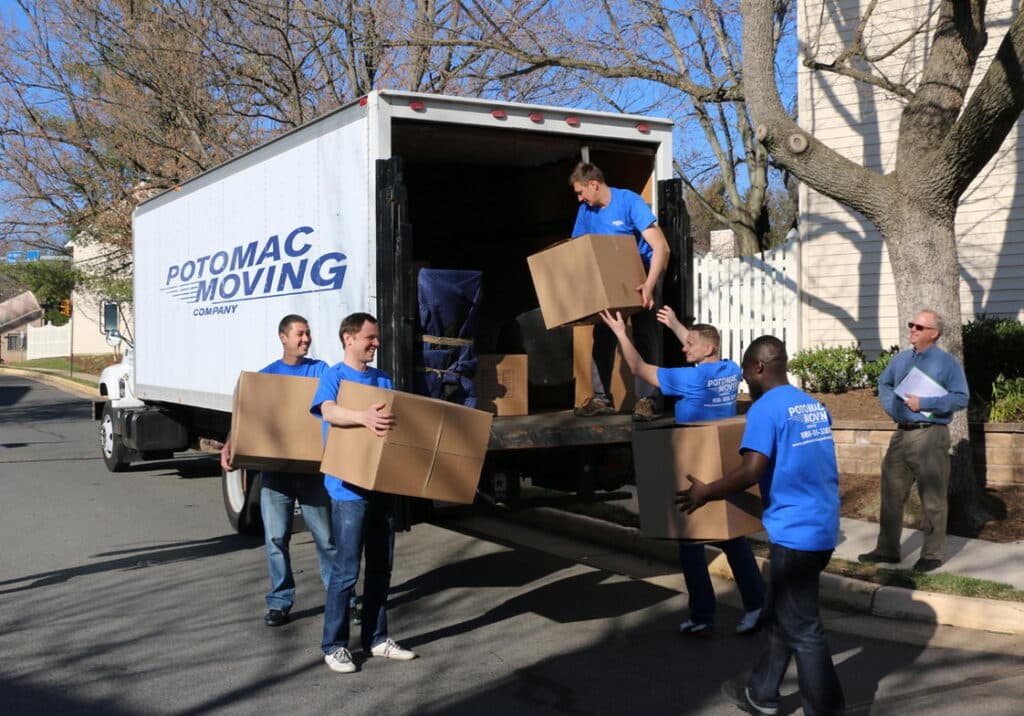
~$1,777 2BR local
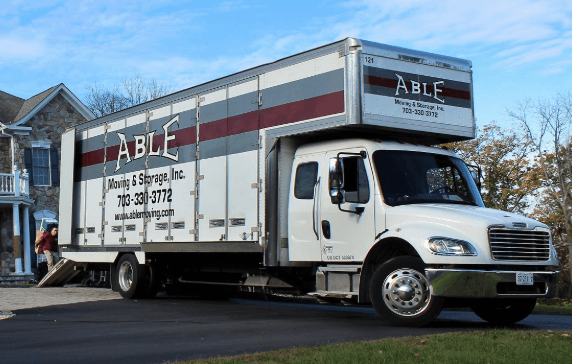
~$2,000 2BR local
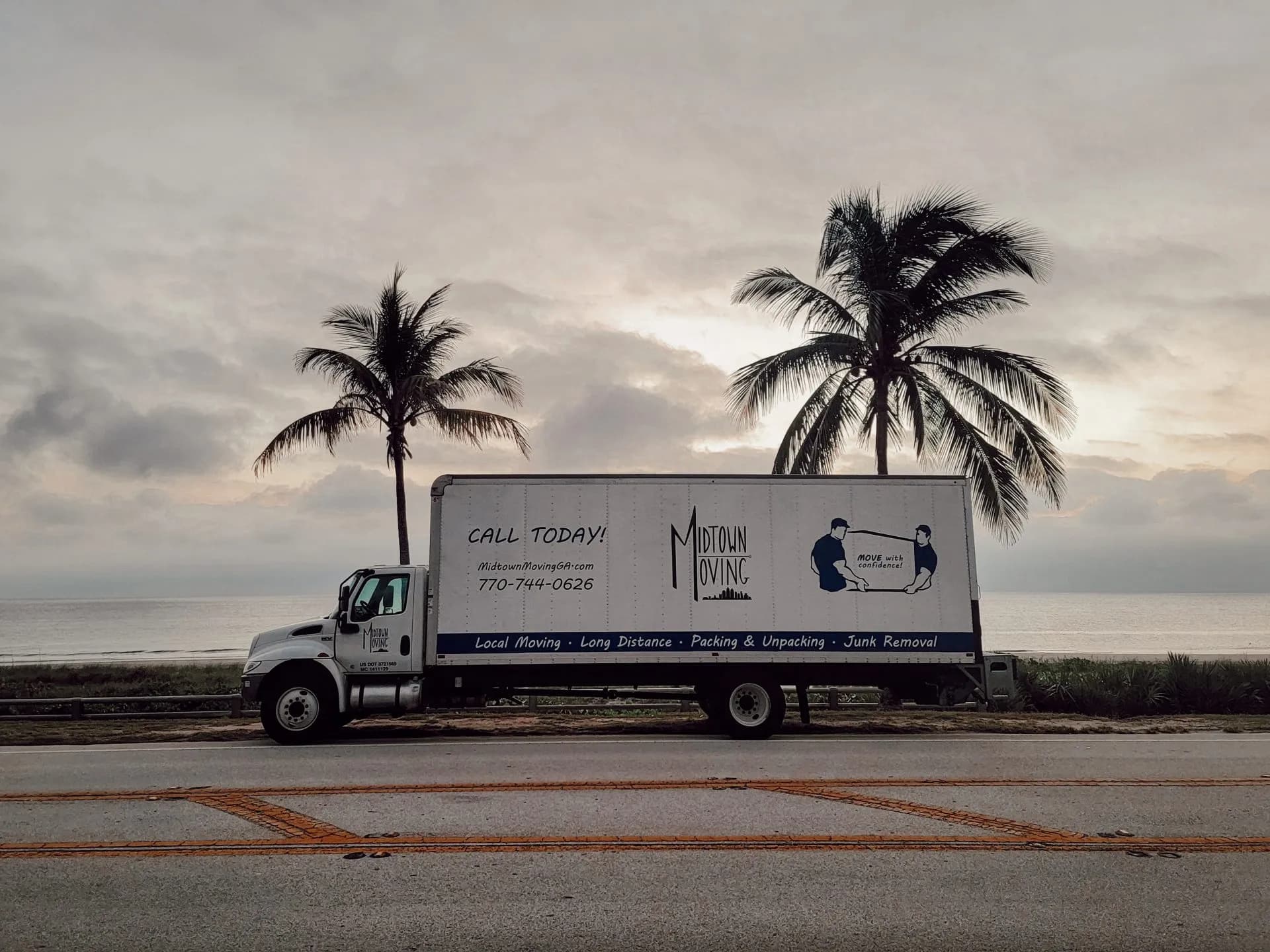
~$1,105 2BR local
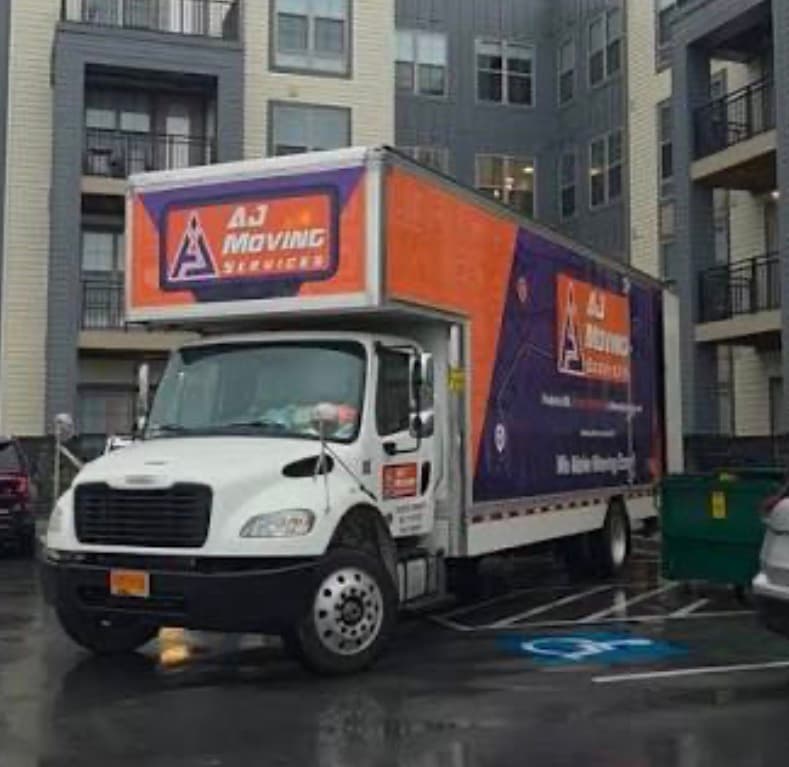
~$1,196 2BR local
~$1,250 2BR local
~$1,052 2BR local

~$2,325 2BR local

~$750 2BR local
~$750 2BR local
~$900 2BR local
~$1,658 2BR local
~$728 2BR local
~$700 2BR local
~$750 2BR local
~$6,400 2BR local
~$780 2BR local
~$750 2BR local
~$1,200 2BR local
~$280 2BR local
~$650 2BR local
~$1,554 2BR local
~$610 2BR local
~$700 2BR local

~$950 2BR local
~$2,162 2BR local

~$1,979 2BR local
~$2,170 2BR local

~$2,055 2BR local








~$970 2BR local
~$2,460 2BR local
~$800 2BR local
~$1,100 2BR local
~$2,500 2BR local
~$545 2BR local
~$854 2BR local
~$750 2BR local
~$700 2BR local
~$750 2BR local
~$1,430 2BR local
~$1,250 2BR local
~$845 2BR local
~$1,777 2BR local
~$2,000 2BR local
~$1,105 2BR local
~$1,196 2BR local
~$1,250 2BR local
~$1,052 2BR local
~$2,325 2BR local
~$750 2BR local
~$750 2BR local
~$900 2BR local
~$1,658 2BR local
~$728 2BR local
~$700 2BR local
~$750 2BR local
~$6,400 2BR local
~$780 2BR local
~$750 2BR local
~$1,200 2BR local
~$280 2BR local
~$650 2BR local
~$1,554 2BR local
~$610 2BR local
~$700 2BR local
~$950 2BR local
~$2,162 2BR local
~$1,979 2BR local
~$2,170 2BR local
~$2,055 2BR local