Moving Scams to Avoid
The moving industry has more than its share of bad actors. FMCSA received 8,825 household goods complaints in 2022, including 3,198 hostage load complaints, a 636% increase since 2019. BBB logged 5,918 complaints in 2023. Reported scams represent only 5% to 10% of actual incidents. This guide covers the most common scams, how to spot them, and how to protect yourself.
Updated 2026-09-14
12 Red Flags to Watch For
If a mover triggers even one of these, get quotes from other companies. Two or more is a strong signal to walk away.
- 1.No USDOT number or refusal to share it
- 2.Demands large cash deposit before moving day
- 3.Phone-only estimate without seeing your items
- 4.No physical business address
- 5.Refuses to provide a written binding estimate
- 6.Quote is 30%+ below every competitor
- 7.Generic email address (gmail, yahoo, hotmail)
- 8.Blank or incomplete contract
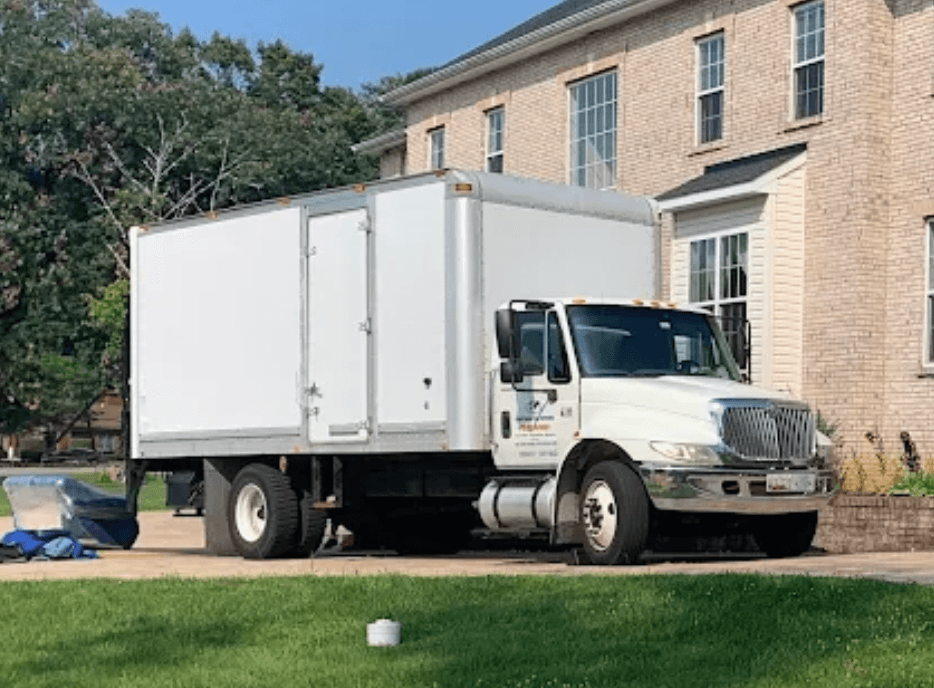
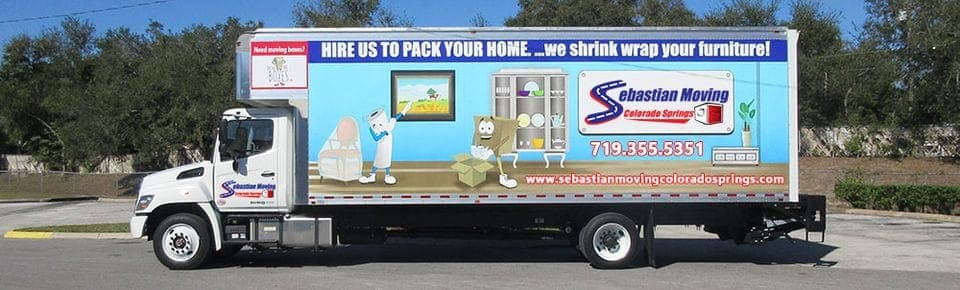
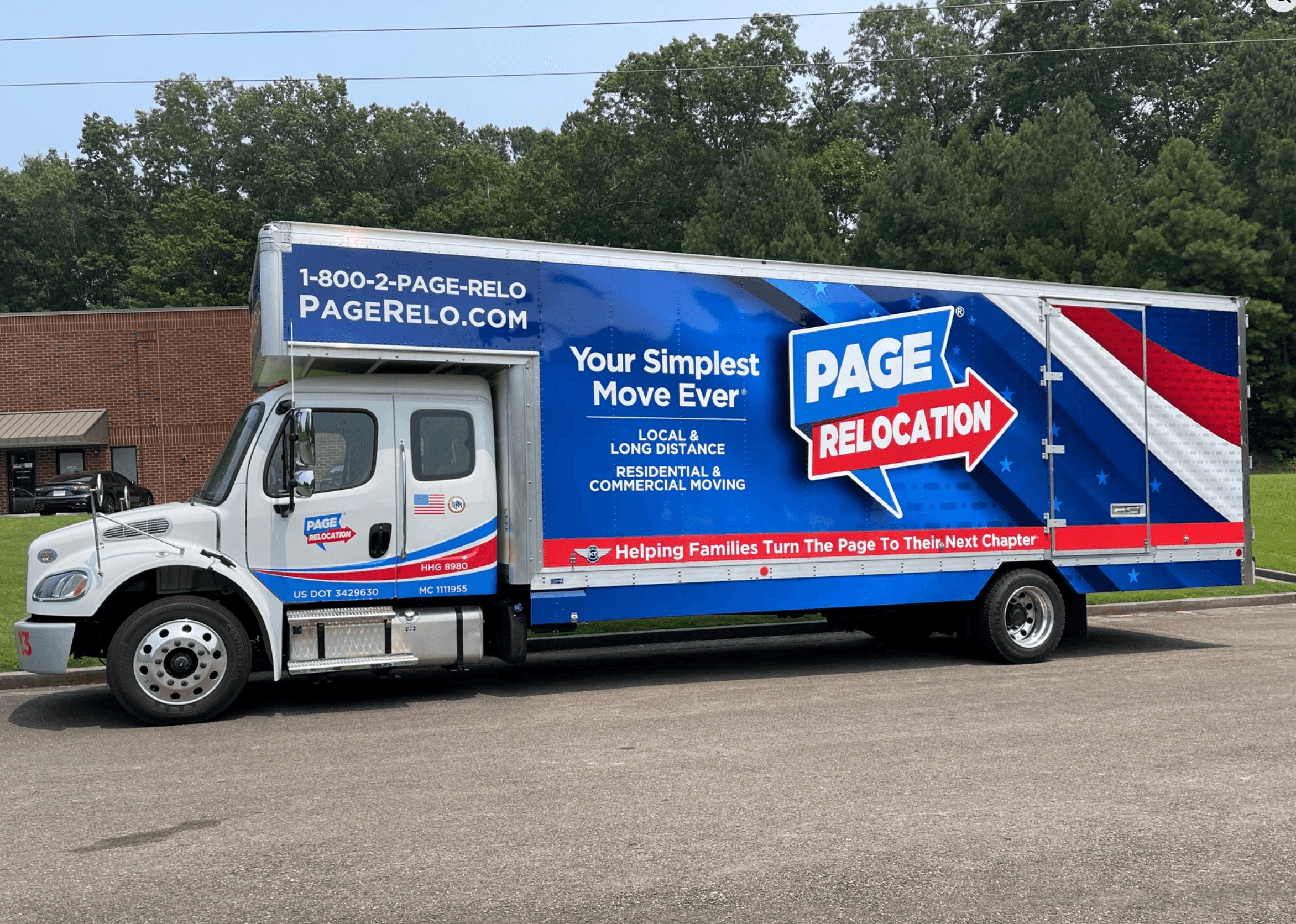
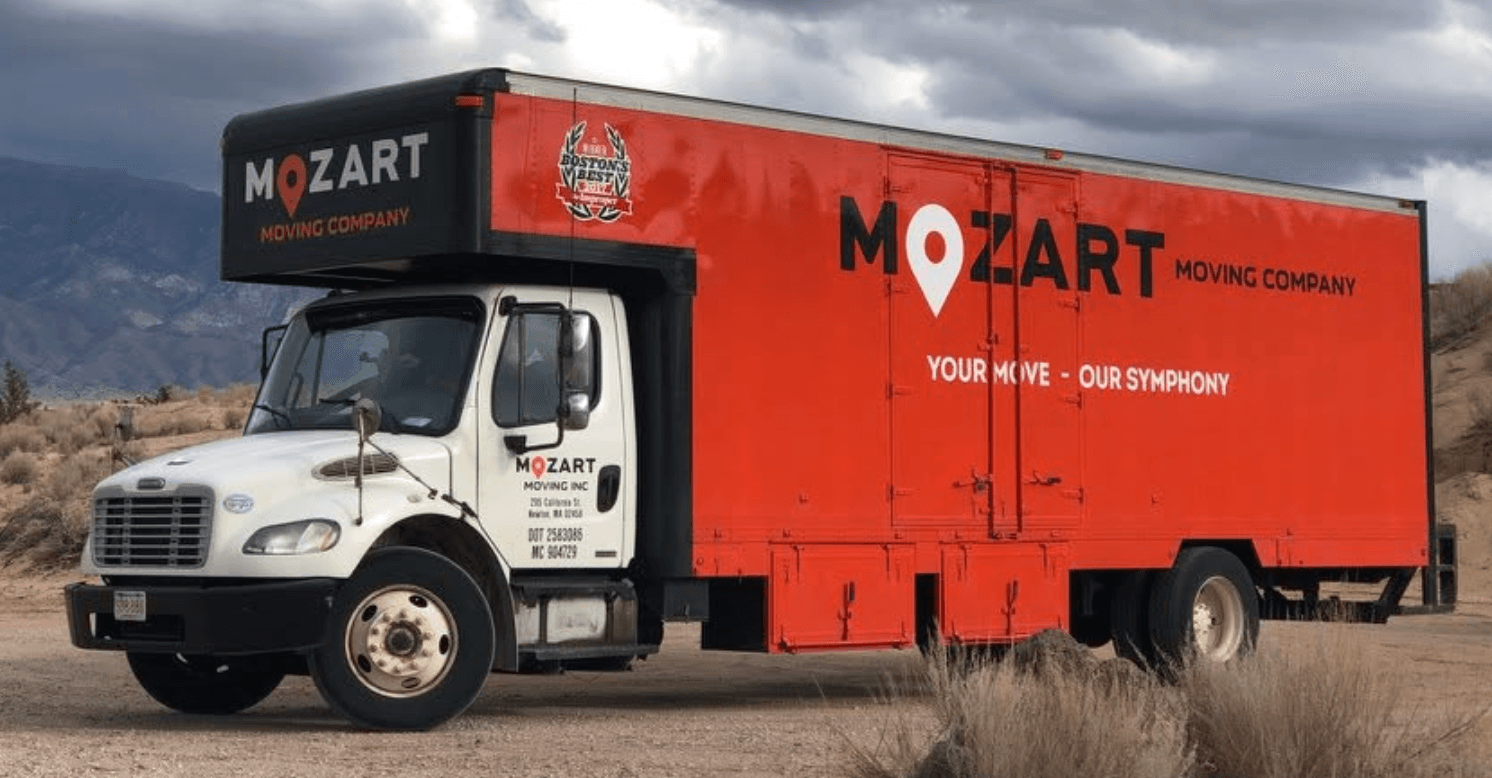
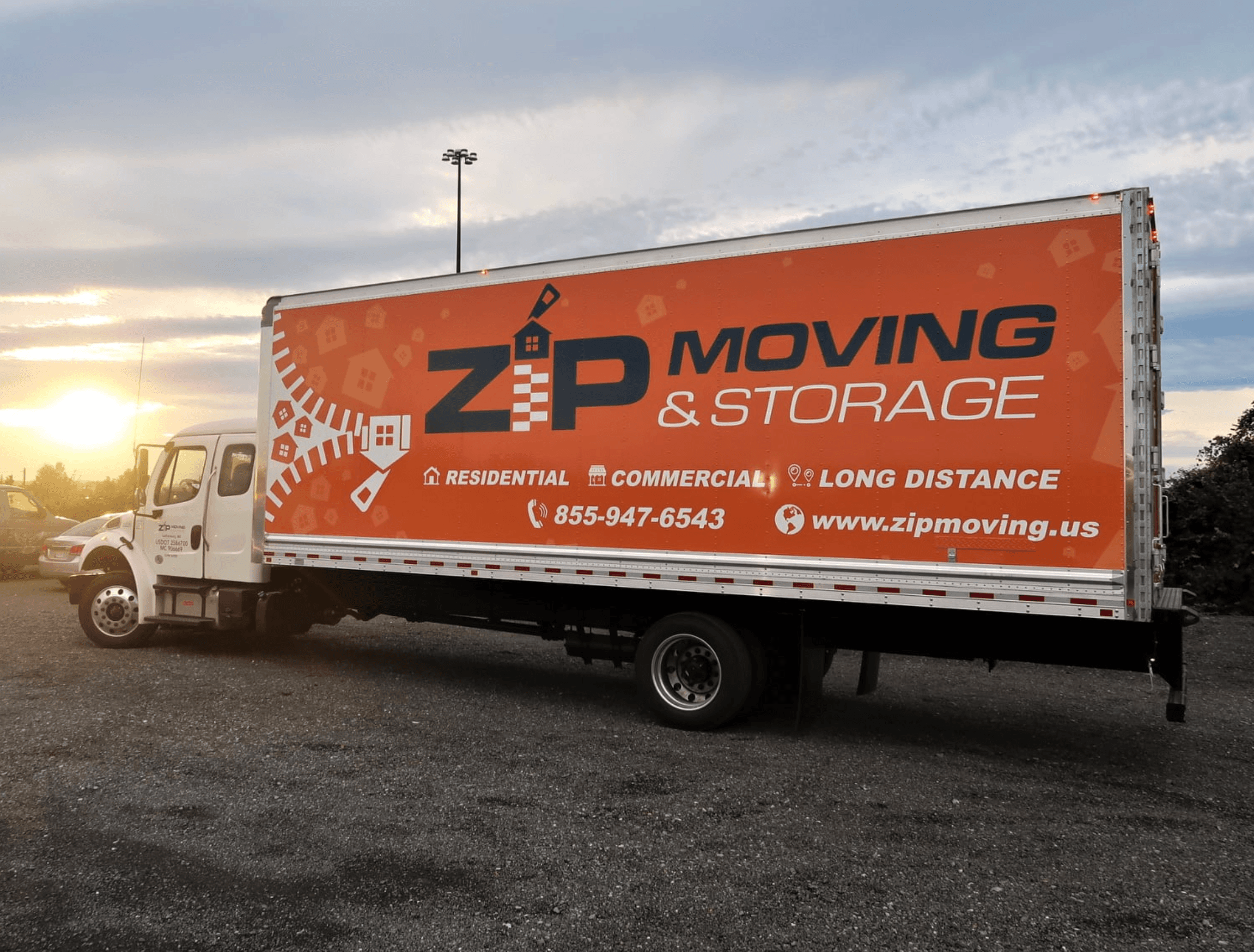
- 9.No company branding on the truck
- 10.Answers the phone with a generic greeting, not the company name
- 11.Cannot provide proof of insurance when asked
- 12.Pressures you to sign immediately or lose the price
8 Common Moving Scams Explained
Hostage LoadThe mover loads your belongings, then demands far more than the quoted price before unloading.+
How it works
They give a low estimate to win your business. On move day, after your items are on the truck, they claim the shipment weighs more than estimated or add surprise fees. They refuse to unload until you pay.
How to protect yourself
Get a binding or not-to-exceed estimate. Federal law caps delivery charges at 110% of a binding estimate. Pay only the legal amount, get a receipt, and file a complaint immediately.
Bait-and-Switch PricingThe initial quote is unrealistically low. The final bill is 2x to 3x higher.+
How it works
The mover quotes a low price over the phone without an inventory survey. On move day, they 'discover' your shipment is larger than expected and charge accordingly. Some add hidden fees for stairs, long carries, packing materials, or fuel.
How to protect yourself
Never accept a phone-only estimate. Insist on an in-home or video survey. Get a binding estimate in writing. Compare quotes from 3+ movers to identify outliers.
Fake or Bought ReviewsThe company's online reputation is artificially inflated with purchased 5-star reviews.+
How it works
Scam movers buy bulk reviews from review farms or pay individuals to post fake testimonials. The reviews are vague, lack detail, and often appear in clusters. The company's website may show testimonials from stock photos.
How to protect yourself
Cross-check reviews on Google, Yelp, and the BBB. Look for detailed, specific reviews with real names. Be suspicious of companies with hundreds of perfect reviews but no photos or negative feedback.
Unlicensed OperationThe company operates without a USDOT number, proper insurance, or state licensing.+
How it works
The mover has no legal authority to operate. If something goes wrong (damage, theft, loss), you have no regulatory recourse. These operators often work under multiple names and disappear after problems arise.
How to protect yourself
Verify the USDOT number at safer.fmcsa.dot.gov before booking. Check that their operating authority status shows 'AUTHORIZED'. Confirm their insurance is active and current.
Large Upfront DepositThe mover demands 30% to 50% (or more) of the total cost upfront, in cash or wire transfer.+
How it works
After collecting the deposit, the scam company may never show up on move day, or they show up and demand additional payment. Cash and wire transfers are nearly impossible to recover.
How to protect yourself
Pay by credit card only. A deposit of 10% to 20% by credit card is normal. Any request for cash, wire transfer, or a deposit over 25% is a red flag. Legitimate movers collect most payment at delivery.
No Physical AddressThe company has no real office, warehouse, or physical location.+
How it works
The 'company' is a broker or fly-by-night operator working from a P.O. Box or virtual office. If something goes wrong, there is no one to hold accountable. They may also subcontract your move to an unknown third party without telling you.
How to protect yourself
Verify the company has a real physical address (not a P.O. Box). Check Google Maps Street View. Ask directly if they are a broker or carrier. Brokers are not inherently bad but you should know who is actually moving your items.
Blank or Incomplete ContractsThe mover asks you to sign paperwork with blank fields or missing terms.+
How it works
After you sign, the company fills in higher prices, extra fees, or unfavorable terms. You have no proof of the original agreement because the contract was blank when you signed it.
How to protect yourself
Never sign anything with blank spaces. Read every line. All prices, dates, addresses, and services should be filled in before you sign. Get a copy of the signed contract immediately.
Low-ball EstimateThe quote is 30% to 50% below every other company. It sounds too good to be true.+
How it works
An unrealistically low estimate wins your booking. On move day, the price balloons due to 'underestimated weight,' surprise fees, or bait-and-switch tactics. By then, your items are loaded and you feel trapped.
How to protect yourself
If one quote is dramatically lower than the others, it is almost certainly a red flag. Get at least 3 quotes. The lowest should be within 15% to 20% of the average, not 40% below.
Fake Social Media RecommendationsFake profiles on Nextdoor, Facebook groups, or neighborhood apps recommend a specific mover in response to every post asking for help.+
How it works
Scam operations create multiple fake accounts that look like real neighbors. When someone posts 'looking for a mover,' these accounts all recommend the same company with vague praise ('they were great!'). The recommended company is either a lead broker that sells your info, an unlicensed operator, or a front for a bait-and-switch pricing scam. Some networks use AI-generated profile photos and post identical recommendations across dozens of neighborhoods.
How to protect yourself
Check the recommender's profile. Fake accounts typically have few connections, no post history, and joined recently. Look up the recommended company's USDOT at safer.fmcsa.dot.gov. Be suspicious if multiple 'neighbors' recommend the same company with identical wording. Genuine recommendations include specific details: crew names, pricing, what went well or poorly.
Lead Generation FrontsThe 'moving company' you contact is actually a lead broker that sells your information to the lowest-bidding carrier.+
How it works
You call a number from a professional-looking website or social media ad. The 'company' takes your move details and provides a quote. Your information is then sold to one or more carriers you have never heard of. A different company shows up on move day, often with different pricing and no accountability to the original quote. Some lead brokers operate under multiple names with the same phone number.
How to protect yourself
Ask directly: 'Are you the company that will physically move my belongings, or do you broker moves?' Check if the phone number matches the USDOT record. Search the company name on FMCSA. If their FMCSA entity type says 'Broker' not 'Carrier,' they are not moving you themselves. Get the actual carrier's name and USDOT before move day.
How to Verify Any Moving Company
Before you book, run through this verification checklist. It takes 10 to 15 minutes and can save you thousands.
Look up USDOT number
safer.fmcsa.dot.gov
Confirm status is 'AUTHORIZED' and insurance is active. Check complaint history.
Check BBB profile
bbb.org
Look at the rating, number of complaints, and how complaints were resolved.
Read third-party reviews
Google, Yelp
Look for detailed reviews with specific move details. Cross-reference across platforms.
Verify physical address
Google Maps
Check Street View. A real moving company should have a warehouse or office, not a P.O. Box.
Ask for references
Direct
A reputable mover should be willing to provide recent customer references.
Trunk pre-verifies every mover on the platform, checking USDOT status, insurance, and review history so you do not have to. See our methodology.
Moving Brokers vs. Moving Carriers
Moving Broker
- Sells the move but does not perform it
- Subcontracts to a carrier you may not know about
- Has a USDOT number with broker authority (MC number)
- Not liable for damage during transit in many cases
- Can be legitimate, but ask who will actually move you
Moving Carrier
- Owns the trucks and employs the crew
- Directly responsible for your belongings
- Has a USDOT number with carrier authority
- Liable for damage under Released Value or Full Value Protection
- Generally more accountability and simpler dispute resolution
Neither is inherently better. But always ask: "Are you a broker or a carrier? Who will actually perform my move?" If they cannot give you a clear answer, that is a red flag.
What to Do If You Have Been Scammed
- 1.Document everything immediately. Photos of damage, screenshots of texts and emails, copies of your contract, and notes on what happened with dates and times.
- 2.File a police report. If items were stolen, you were threatened, or the mover is holding your belongings hostage, this is a criminal matter. File a police report in both the origin and destination jurisdictions.
- 3.File an FMCSA complaint. Go to nccdb.fmcsa.dot.gov or call 1-888-368-7238. This creates an official record against the mover's operating authority.
- 4.File a BBB complaint. Go to bbb.org, find the company, and file a formal complaint. This goes on their public record.
- 5.Contact your State Attorney General. File a consumer fraud complaint with your state AG's office. This is especially important for intrastate moves that FMCSA does not cover.
- 6.Dispute the credit card charge. If you paid by credit card, initiate a chargeback for services not rendered or fraud. This is why paying by credit card (not cash or wire) is so important.
- 7.Consider small claims court. For losses within your state's small claims limit, you can file without a lawyer.
For detailed filing instructions, see our guide to filing a moving complaint.
Moving Fraud by the Numbers
~5,000
Complaints filed with FMCSA annually about household goods movers
$0.60/lb
Default liability coverage. A $2,000 laptop weighing 5 lbs pays out just $3.
110%
Maximum a mover can charge at delivery above a binding estimate
Protection Checklist
- Verify USDOT number and operating authority at safer.fmcsa.dot.gov
- Get at least 3 quotes and reject any that are dramatically below average
- Insist on an in-home or video survey for accurate estimates
- Get a binding or not-to-exceed estimate in writing
- Pay by credit card only. Never wire transfer or cash deposits over 20%
- Read the entire contract before signing. No blank spaces.
- Check reviews on Google, Yelp, and BBB. Not just the mover's website.
- Confirm the company has a physical address (not a P.O. Box)
- Ask if they are a broker or carrier. Know who is actually moving you.
- Photograph every valuable item before the movers arrive
Frequently Asked Questions
What is a hostage load in moving?+
How can I verify if a moving company is legitimate?+
What are the biggest red flags when hiring a mover?+
Is it safe to pay a moving deposit?+
How do I spot fake moving company reviews?+
What should I do if I think I hired a scam moving company?+
Are online moving quotes accurate?+
Related
~$970 2BR local
~$2,460 2BR local
~$800 2BR local
~$1,100 2BR local
~$2,500 2BR local
~$545 2BR local
~$854 2BR local
~$750 2BR local
~$700 2BR local
~$750 2BR local

~$1,430 2BR local
~$1,250 2BR local
~$845 2BR local
~$1,777 2BR local
~$2,000 2BR local
~$1,105 2BR local
~$1,196 2BR local
~$1,250 2BR local
~$1,052 2BR local

~$2,325 2BR local

~$750 2BR local
~$750 2BR local
~$900 2BR local

~$1,658 2BR local
~$728 2BR local
~$700 2BR local
~$750 2BR local
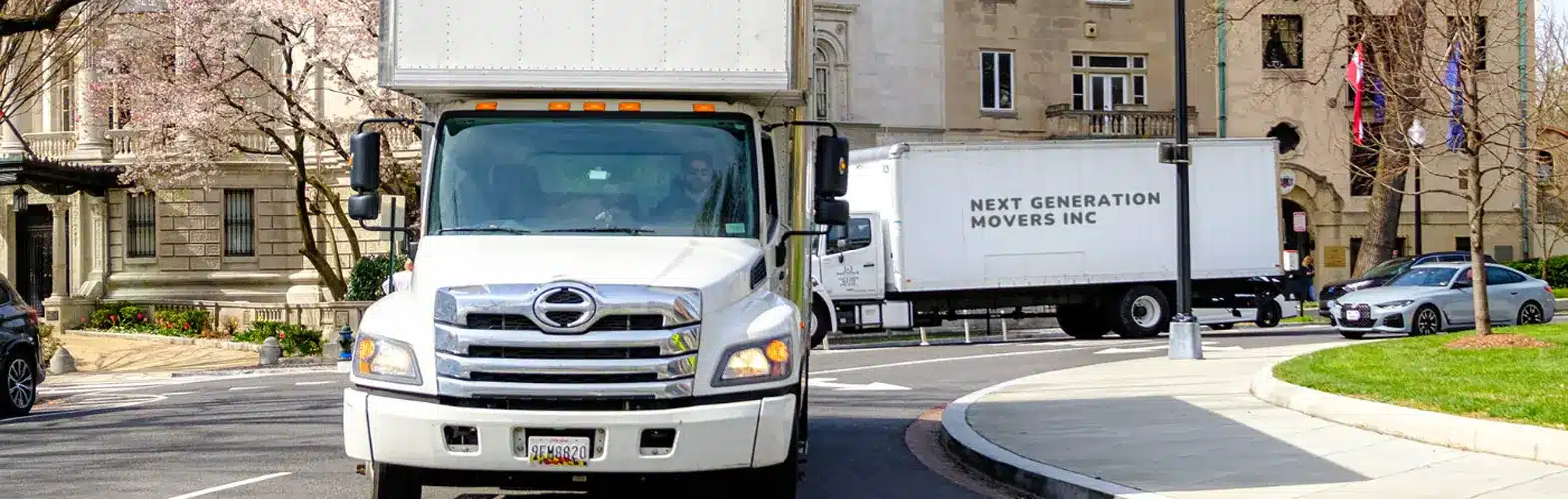
~$6,400 2BR local
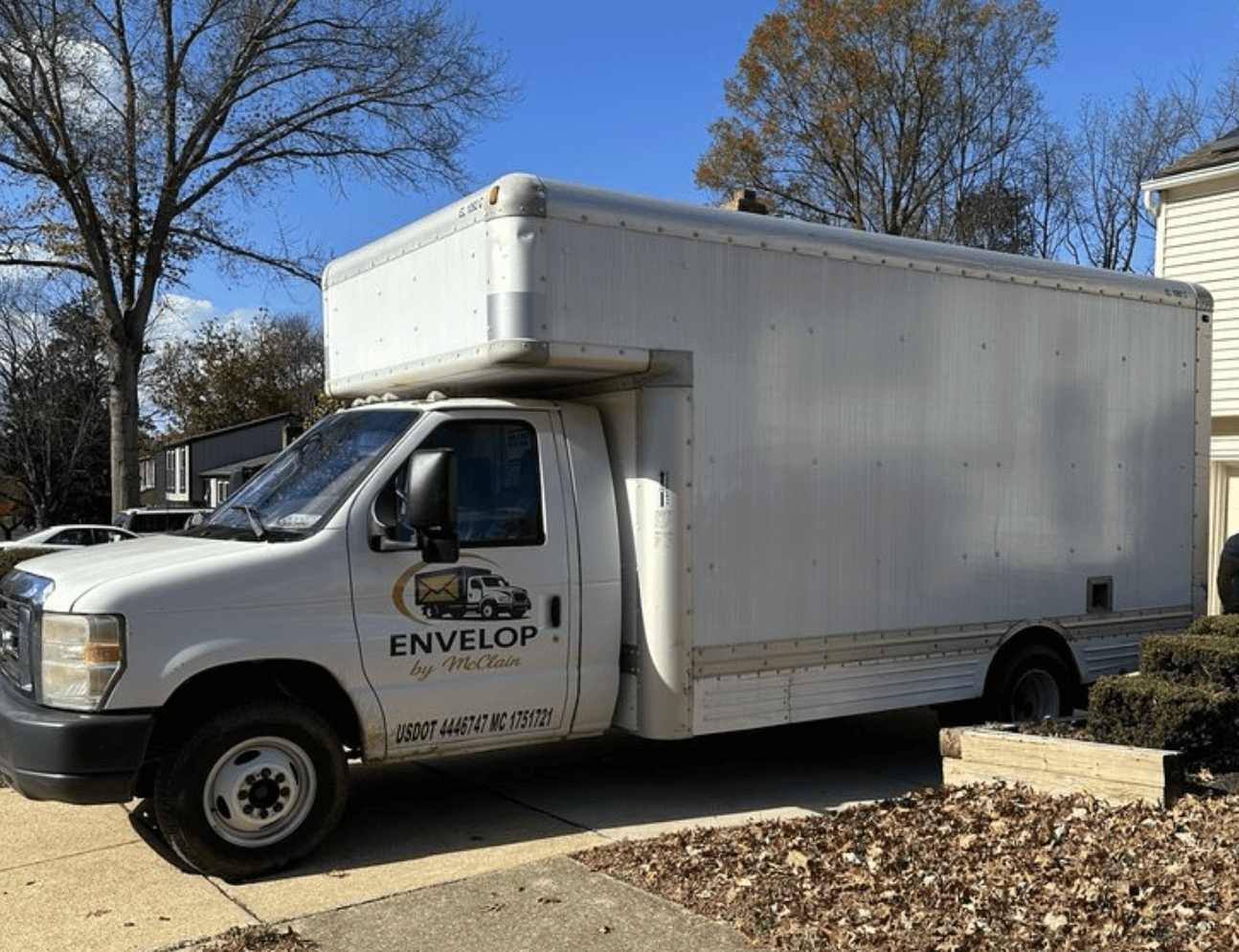
~$780 2BR local
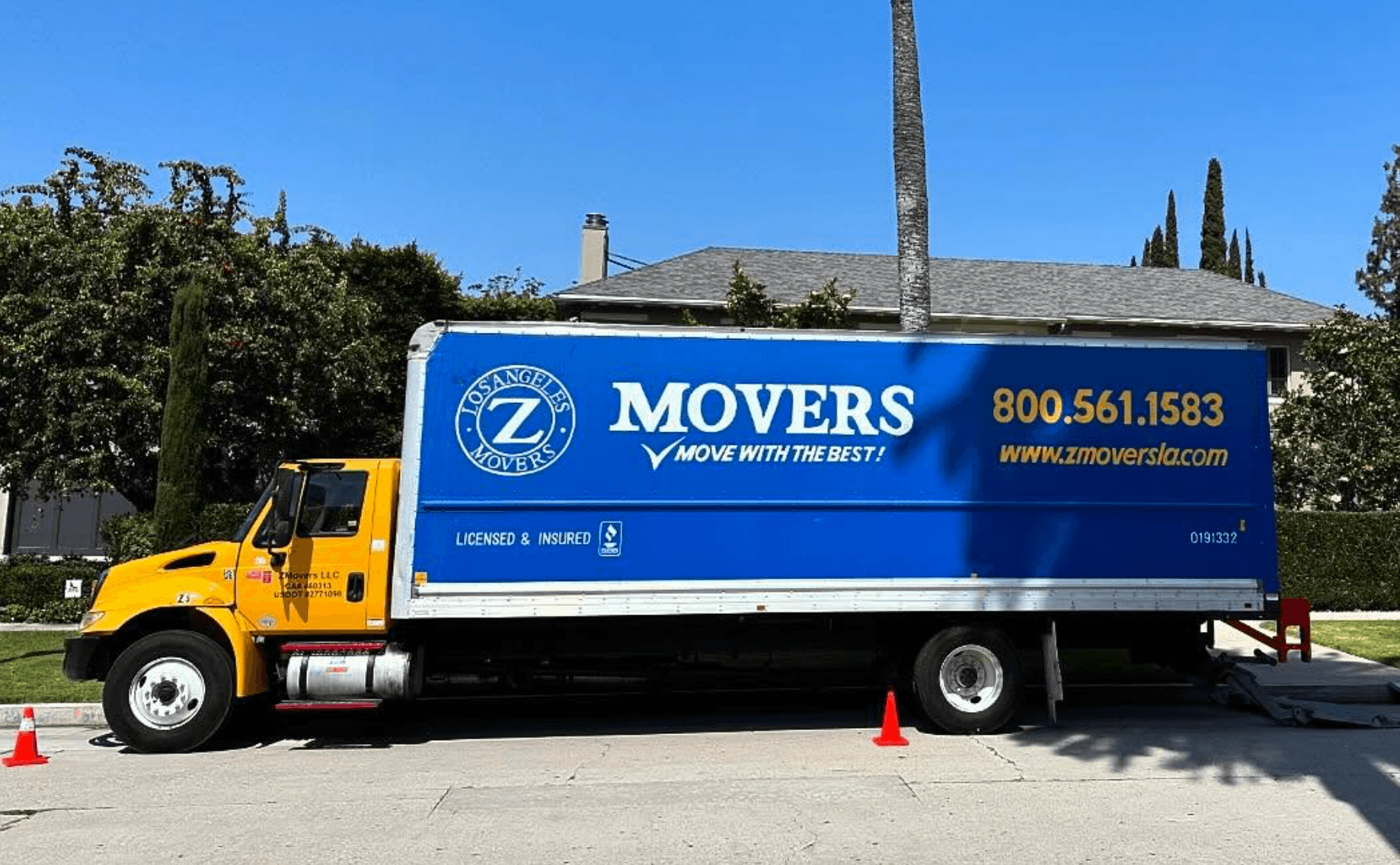
~$750 2BR local
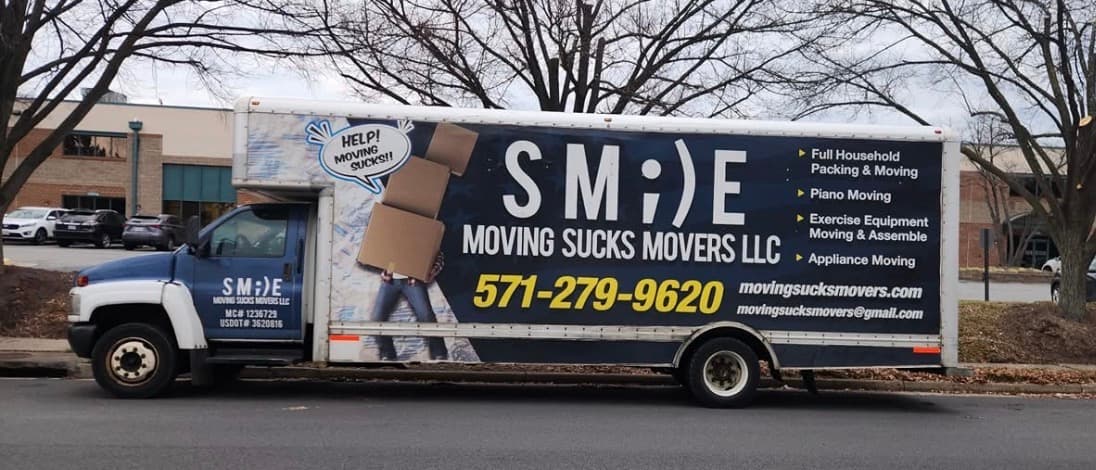
~$1,200 2BR local
~$280 2BR local
~$650 2BR local
~$1,554 2BR local
~$610 2BR local
~$700 2BR local

~$950 2BR local
~$2,162 2BR local

~$1,979 2BR local
~$2,170 2BR local

~$2,055 2BR local








~$970 2BR local
~$2,460 2BR local
~$800 2BR local
~$1,100 2BR local
~$2,500 2BR local
~$545 2BR local
~$854 2BR local
~$750 2BR local
~$700 2BR local
~$750 2BR local
~$1,430 2BR local
~$1,250 2BR local
~$845 2BR local
~$1,777 2BR local
~$2,000 2BR local
~$1,105 2BR local
~$1,196 2BR local
~$1,250 2BR local
~$1,052 2BR local
~$2,325 2BR local
~$750 2BR local
~$750 2BR local
~$900 2BR local
~$1,658 2BR local
~$728 2BR local
~$700 2BR local
~$750 2BR local
~$6,400 2BR local
~$780 2BR local
~$750 2BR local
~$1,200 2BR local
~$280 2BR local
~$650 2BR local
~$1,554 2BR local
~$610 2BR local
~$700 2BR local
~$950 2BR local
~$2,162 2BR local
~$1,979 2BR local
~$2,170 2BR local
~$2,055 2BR local