The Complete Moving Checklist
A week-by-week timeline covering everything from booking movers to settling into your new home. 60+ actionable items, organized by deadline so nothing falls through the cracks.
Updated 2026-09-14
~$970 2BR local

~$2,460 2BR local



~$800 2BR local
~$1,100 2BR local
~$2,500 2BR local

~$545 2BR local
~$854 2BR local

~$750 2BR local

~$700 2BR local

~$750 2BR local

~$1,430 2BR local
~$1,250 2BR local

~$845 2BR local

~$1,777 2BR local
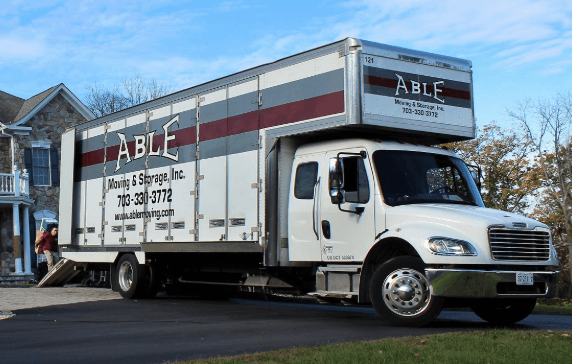
~$2,000 2BR local

~$1,105 2BR local
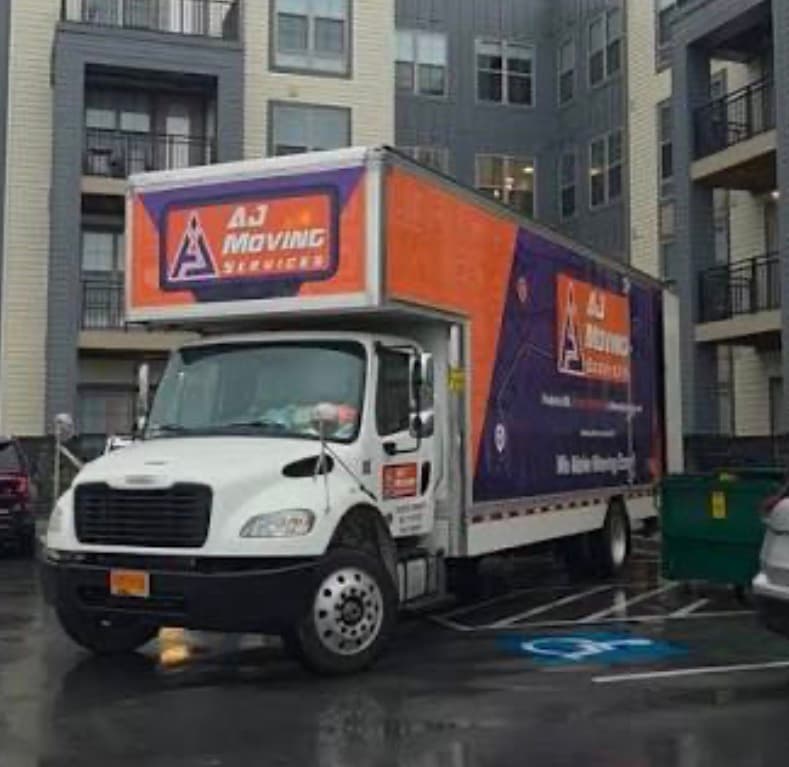
~$1,196 2BR local
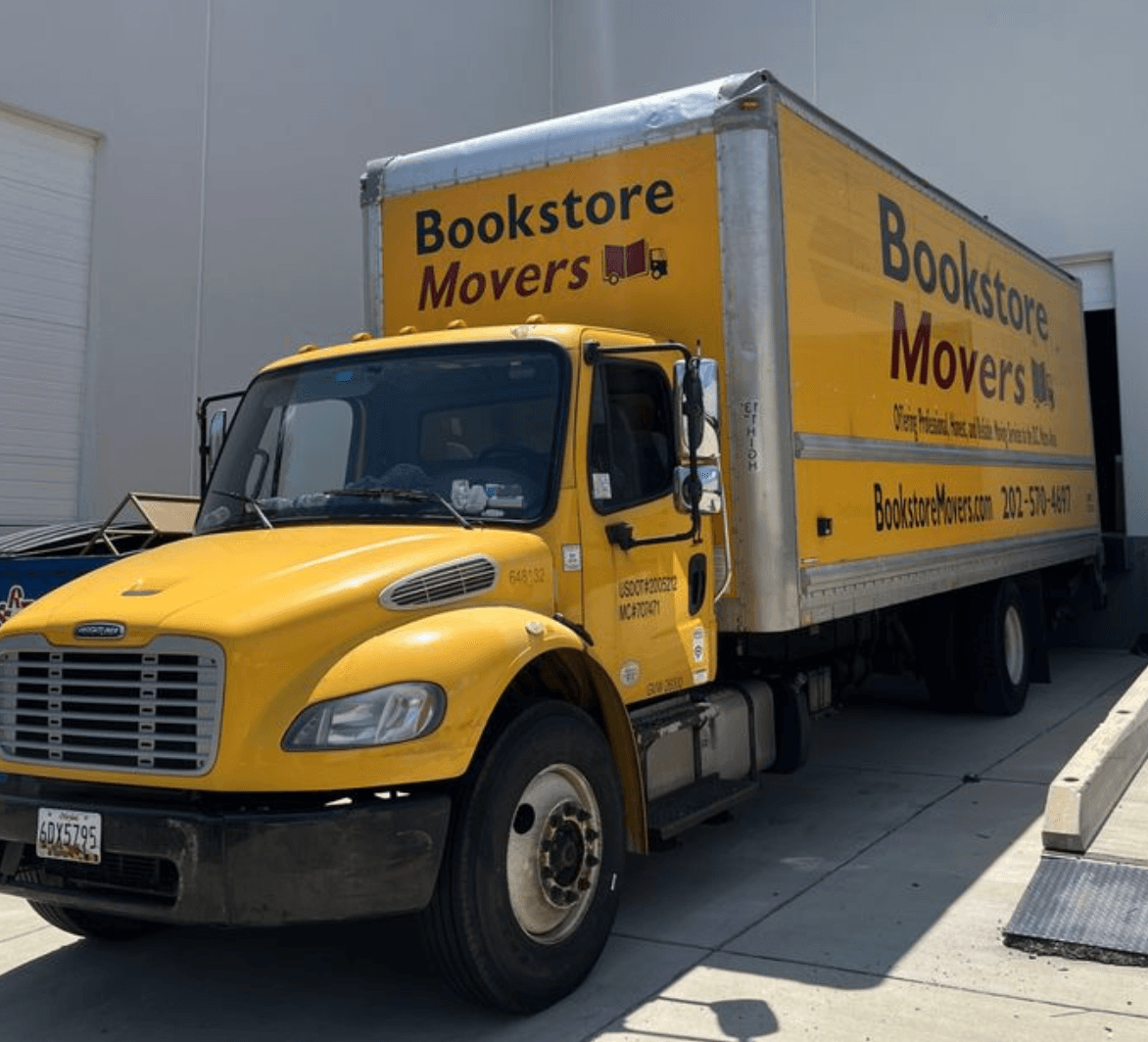
~$1,250 2BR local
~$1,052 2BR local

~$2,325 2BR local

~$750 2BR local

~$750 2BR local
~$900 2BR local

~$1,658 2BR local
~$728 2BR local
~$700 2BR local

~$750 2BR local

~$6,400 2BR local
~$780 2BR local
~$750 2BR local
~$1,200 2BR local
~$280 2BR local
~$650 2BR local
~$1,554 2BR local

~$610 2BR local
~$700 2BR local

~$950 2BR local
~$2,162 2BR local

~$1,979 2BR local
~$2,170 2BR local

~$2,055 2BR local




















































~$970 2BR local
~$2,460 2BR local
~$800 2BR local
~$1,100 2BR local
~$2,500 2BR local
~$545 2BR local
~$854 2BR local
~$750 2BR local
~$700 2BR local
~$750 2BR local
~$1,430 2BR local
~$1,250 2BR local
~$845 2BR local
~$1,777 2BR local
~$2,000 2BR local
~$1,105 2BR local
~$1,196 2BR local
~$1,250 2BR local
~$1,052 2BR local
~$2,325 2BR local
~$750 2BR local
~$750 2BR local
~$900 2BR local
~$1,658 2BR local
~$728 2BR local
~$700 2BR local
~$750 2BR local
~$6,400 2BR local
~$780 2BR local
~$750 2BR local
~$1,200 2BR local
~$280 2BR local
~$650 2BR local
~$1,554 2BR local
~$610 2BR local
~$700 2BR local
~$950 2BR local
~$2,162 2BR local
~$1,979 2BR local
~$2,170 2BR local
~$2,055 2BR local
Quick Version (10 Steps)
Short on time? Here is your move in 10 bullet points. Scroll down for the full week-by-week breakdown.
- 1.Get quotes from 3+ movers and book 6-8 weeks ahead
- 2.Create a home inventory and declutter before packing
- 3.Submit USPS change-of-address form 2-4 weeks before the move
- 4.Notify utilities, insurance, banks, and subscriptions of your new address
- 5.Pack room by room, labeling every box with contents and destination room
- 6.Schedule elevator and COI if moving to or from an apartment building
- 7.Prepare a first-night essentials box you keep with you (not on the truck)
- 8.Do a final walk-through before movers load, and check inventory at delivery
- 9.Note all damage on the bill of lading before signing, and photograph everything
- 10.Tip movers $20-$60 per person in cash, then update your license and voter registration
Want a printable version? Use your browser's print function (Ctrl+P or Cmd+P) to save this page as a PDF. The layout is optimized for printing.
8 Weeks Before
Research moving companies. Get quotes from at least 3 licensed, insured movers. Compare pricing, reviews, and coverage options side by side.
Find movers near you→Set your moving budget. Factor in mover costs, packing supplies, insurance, travel, deposits, and a 10% contingency buffer.
See average moving costs→Create a home inventory. Go room by room and document everything you own. This helps with quotes, insurance, and deciding what to keep.
Start decluttering. Sell, donate, or toss items you have not used in the past year. Less stuff means lower moving costs and less packing.
Notify your landlord or HOA. Most leases require 30 to 60 days written notice. Check your lease for the exact requirement.
If you have kids, research schools in the new area and begin the enrollment or transfer process.
Check if your move date falls during peak season (June through August) or on a weekend. Shifting to a weekday or off-peak month can save 20-30%.
When is the cheapest time to move?→6 Weeks Before
Book your moving company. Lock in your date with a deposit. Get a binding or not-to-exceed quote in writing.
Start packing non-essential items. Seasonal clothing, books, decor, guest room items, and anything you will not need in the next 6 weeks.
Request school records transfer for children. Contact current and new schools to initiate the process.
Request medical, dental, and veterinary records. Ask for copies to bring with you. Find new providers in your destination city.
Submit your USPS change-of-address form online at usps.com. Schedule the forwarding to start on your move date.
Update your address with banks, credit cards, insurance providers, subscriptions, and your employer.
If moving for work, confirm relocation benefits and reimbursement policies with your employer.
Start using up pantry items, frozen food, and cleaning products you do not want to move.
4 Weeks Before
Confirm your move date and arrival window with the moving company. Get the crew size and estimated duration in writing.
Get packing supplies: boxes (small, medium, large, wardrobe), packing tape, bubble wrap, packing paper, markers, and labels.
Explore packing services→Contact utility companies at both locations. Schedule disconnection at your current home and activation at the new one. Include electric, gas, water, internet, and trash.
Update your homeowner's or renter's insurance. Get a policy for the new address and confirm your belongings are covered during transit.
If you live in an apartment or condo, schedule the elevator for moving day and arrange a Certificate of Insurance (COI) for your building. Do the same at the destination if applicable.
Measure doorways, hallways, and staircases at both locations. Confirm that large furniture will fit through. Plan disassembly for anything that will not.
Arrange care for pets and young children on moving day. A friend, family member, or daycare can keep them safe and out of the way.
If you have a vehicle to transport separately, research auto shipping companies and book early.
2 Weeks Before
Pack most of your belongings. Leave out only daily essentials: toiletries, a week of clothes, kitchen basics, and work items.
Arrange junk removal for items that are not coming with you. Old furniture, broken appliances, and anything too large for regular trash.
Find junk removal services→Create a high-value inventory with photos. Document electronics, jewelry, art, antiques, and anything over $100 per item. This is critical for insurance claims.
Confirm the reservation with your moving company. Verify the address, date, time, crew size, and total cost. Ask about payment methods accepted on move day.
Return anything borrowed from neighbors or friends. Pick up anything you have lent out, dry cleaning, or items in storage lockers.
Dispose of items movers cannot transport: hazardous materials, propane tanks, paint, pesticides, ammunition, and perishable food.
Book a move-out deep clean if needed. Budget $150 to $300 for a professional cleaning service. This is often required by leases and helps get your security deposit back. Ask your mover if they have a cleaning partner they recommend.
Back up important digital files. Store copies of critical documents (lease, insurance, IDs) in the cloud or on a USB drive you keep with you.
If applicable, drain gas from lawn equipment, empty propane grills, and disconnect appliances that need professional servicing before the move.
1 Week Before
Pack remaining items except for your daily essentials kit. Label every box with the room it belongs in and a brief description of contents.
Prepare your "first night" box. Include toiletries, medications, phone chargers, a change of clothes, snacks, water, paper towels, toilet paper, basic tools, sheets, and towels.
Defrost your freezer. Unplug it at least 24 hours before the move. Clean it out and leave the door open to prevent mold.
Confirm parking and elevator reservations at both the origin and destination. If street parking is needed, check local permit requirements.
Disassemble large furniture (bed frames, desks, shelving units). Bag and label all hardware. Tape hardware bags to the furniture they belong to.
Take photos of electronics setups (TV, router, gaming console wiring) before unplugging. This makes reassembly much faster.
Withdraw cash for tipping movers and any last-minute expenses.
How much to tip movers→Confirm pet arrangements, child care, and any travel plans (flights, hotel if multi-day move).
Move Day
Do a final walk-through of every room, closet, cabinet, and storage area before the movers start loading. Check the attic, basement, garage, and outdoor shed.
Be present and available to answer questions. Show the crew which items are fragile, which go last (so they come off first), and anything that requires special handling.
Protect floors and doorways. Confirm the movers are using floor runners, door frame protectors, and furniture pads. If not, ask.
Keep your essentials box, valuables, important documents, and medications with you. Do not load these on the truck.
At delivery, check your inventory list against what comes off the truck. Open boxes for high-value items and inspect for damage on the spot.
Note any damage on the bill of lading BEFORE signing. Take photos of all damage immediately. This documentation is essential for filing a claim.
Tip your movers individually in cash at the end of the job. $20-$40 per mover for a half-day, $40-$60 for a full day.
Full tipping guide→Do a final check of the old home. Read utility meters, lock all doors and windows, return keys to the landlord or leave them for the new owner.
After the Move
Unpack essentials first: kitchen, bathrooms, and bedrooms. Get the basics functional before tackling everything else.
Update your driver's license and vehicle registration within the timeframe required by your new state (usually 30 to 90 days).
Register to vote at your new address. You can do this online in most states at vote.org.
File damage claims within 9 months of delivery (the federal deadline for interstate moves). Include your photographic evidence and the annotated bill of lading.
If you moved a piano, schedule tuning 2 to 4 weeks after the move. Pianos need time to acclimate to the new humidity and temperature.
Test all appliances, HVAC, plumbing, and electrical. Report any issues to your landlord or note them for home warranty claims.
Introduce yourself to neighbors. This is especially useful for learning about trash day schedules, parking rules, and local recommendations.
Leave a review for your moving company. Honest reviews help other people find good movers and hold companies accountable.
Break down and recycle all moving boxes. Many local recycling programs accept them curbside, or you can offer them free on local marketplace groups.
Pro Tips That Save Money and Stress
Move midweek, mid-month, off-peak
A Tuesday move in January costs 20-30% less than a Saturday move in July. Even small timing shifts save hundreds.
Full timing breakdown →Declutter before you get quotes
Moving costs are based on weight or cubic footage. Every piece of furniture or box you eliminate directly reduces your price. Declutter first, then request quotes.
Get binding quotes, not estimates
A "binding" or "not-to-exceed" quote locks in the price. Non-binding estimates can increase on move day. Always ask which type you are getting.
Label boxes on the side, not the top
When boxes are stacked, you cannot read the top. Write the room name and contents on at least two sides so they are visible no matter how boxes are arranged.
Items Most Movers Will Not Transport
These items are typically prohibited by moving companies due to safety regulations. Plan to transport them yourself or dispose of them before move day.
Hazardous Materials
- Propane tanks and gas canisters
- Paint, stains, and solvents
- Pesticides and fertilizers
- Ammunition and firearms (varies by state)
- Cleaning chemicals and aerosol cans
- Car batteries and motor oil
Perishable and Personal
- Perishable food (frozen, refrigerated)
- Plants (regulated across state lines)
- Pets and animals
- Cash, jewelry, and irreplaceable documents
- Prescription medications
- Opened liquor bottles (varies by state)
Frequently Asked Questions
How far in advance should I start planning a move?+
What is the first thing I should do when planning a move?+
How do I choose a good moving company?+
What should I pack in my essentials box?+
When should I change my address with USPS?+
How long does it take to unpack after a move?+
Should I tip my movers?+
How do I file a damage claim after a move?+
Related
~$970 2BR local
~$2,460 2BR local
~$800 2BR local
~$1,100 2BR local
~$2,500 2BR local
~$545 2BR local
~$854 2BR local
~$750 2BR local
~$700 2BR local
~$750 2BR local
~$1,430 2BR local
~$1,250 2BR local
~$845 2BR local
~$1,777 2BR local
~$2,000 2BR local
~$1,105 2BR local
~$1,196 2BR local
~$1,250 2BR local
~$1,052 2BR local
~$2,325 2BR local
~$750 2BR local
~$750 2BR local
~$900 2BR local
~$1,658 2BR local
~$728 2BR local
~$700 2BR local
~$750 2BR local
~$6,400 2BR local
~$780 2BR local
~$750 2BR local
~$1,200 2BR local
~$280 2BR local
~$650 2BR local
~$1,554 2BR local
~$610 2BR local
~$700 2BR local
~$950 2BR local
~$2,162 2BR local
~$1,979 2BR local
~$2,170 2BR local
~$2,055 2BR local
~$970 2BR local
~$2,460 2BR local
~$800 2BR local
~$1,100 2BR local
~$2,500 2BR local
~$545 2BR local
~$854 2BR local
~$750 2BR local
~$700 2BR local
~$750 2BR local
~$1,430 2BR local
~$1,250 2BR local
~$845 2BR local
~$1,777 2BR local
~$2,000 2BR local
~$1,105 2BR local
~$1,196 2BR local
~$1,250 2BR local
~$1,052 2BR local
~$2,325 2BR local
~$750 2BR local
~$750 2BR local
~$900 2BR local
~$1,658 2BR local
~$728 2BR local
~$700 2BR local
~$750 2BR local
~$6,400 2BR local
~$780 2BR local
~$750 2BR local
~$1,200 2BR local
~$280 2BR local
~$650 2BR local
~$1,554 2BR local
~$610 2BR local
~$700 2BR local
~$950 2BR local
~$2,162 2BR local
~$1,979 2BR local
~$2,170 2BR local
~$2,055 2BR local