Moving Out of State Checklist
Everything you need to update, transfer, cancel, and re-register when moving to a new state. License, registration, voting, taxes, insurance, professional credentials, and more.
Updated 2026-09-14
Task Timeline
A quick reference for when to handle each administrative task. Scroll below for detailed guidance on every item.
| Task | When |
|---|---|
| Get moving quotes | 8 to 12 weeks before |
| Book movers | 6 to 8 weeks before |
| Notify landlord | 30 to 60 days before |
| Research new area | 6 to 8 weeks before |
| Start professional license transfer | 8 to 12 weeks before |
| USPS change of address | 2 to 4 weeks before |
| Transfer utilities | 2 to 4 weeks before |
| Update insurance policies | 2 to 4 weeks before |
| Update bank address | 1 to 2 weeks before |
| Driver's license | Within 30 to 90 days of move |
| Vehicle registration | Within 30 to 90 days of move |
| Voter registration | After establishing residency |
| Update IRS address | After move |
Administrative Checklist
Driver's license
Most states require you to get a new license within 30 to 90 days of establishing residency. Visit the new state's DMV with your current license, proof of identity (passport or birth certificate), proof of Social Security number, and two proofs of residency (lease, utility bill, bank statement). Some states require you to surrender your old license. Expect to pay $20 to $90 for the new license. If your old license is from a Real ID compliant state, the process is usually faster.
Vehicle registration
Register your vehicle in the new state within the same 30 to 90 day window. You will need your current title (or lienholder information), proof of insurance valid in the new state, a completed application, and payment for registration fees and any applicable sales or use tax. Some states require a vehicle inspection or emissions test before registration. If you have a loan on the car, notify your lender of the state change.
Voter registration
Register to vote at your new address as soon as you establish residency. You can register online in most states at vote.org or through your state's Secretary of State website. Some states offer same-day registration. Others have deadlines 15 to 30 days before an election. Your old voter registration is typically cancelled automatically when you register in the new state, but you should verify this.
Insurance and Taxes
Auto insurance
Notify your insurer before the move. Each state has different minimum coverage requirements. Your premium will change based on the new location's risk profile. If your current insurer does not operate in the new state, shop for a new policy and ensure there is no gap in coverage. You cannot register a vehicle without valid insurance in the new state.
Health insurance
Moving to a new state triggers a Special Enrollment Period (SEP) for marketplace health insurance. You have 60 days from your move to enroll in a new plan. If you have employer insurance, notify HR so they can update your coverage area. HMO plans are location specific and likely will not work in a new state. PPO plans may have broader networks but confirm before relying on it.
Home or renter's insurance
Cancel your old renter's insurance and get a new policy for the new address. Rates vary by location, building type, and local risk factors (flood zones, hurricane zones, earthquake zones). Bundling with auto insurance usually gets a 5 to 15% discount. Get the new policy active before move-in day.
State income tax
If you move mid-year, you may need to file part-year resident returns in both states. Nine states have no income tax: Alaska, Florida, Nevada, New Hampshire (dividends/interest only), South Dakota, Tennessee, Texas, Washington, and Wyoming. Moving from a high-tax state to a no-tax state (or vice versa) has significant financial implications. Keep records of your exact move date.
Professional License Transfers
If your profession requires a state license, you cannot legally practice until you hold a valid license in the new state. Start this process early, as some transfers take months.
Nurses (RN, LPN)
The Nurse Licensure Compact (NLC) allows a single license to cover 40+ states. If your new state is not in the compact, apply for licensure by endorsement with the new state board of nursing. Processing: 2 to 6 weeks.
Lawyers
Most states require passing the state bar exam. Some states allow admission by motion (without exam) if you have practiced for 5+ years and meet character requirements. UBE (Uniform Bar Exam) scores transfer to participating states within a score threshold.
Real estate agents
Most states require you to pass a state-specific portion of the real estate exam. Some have reciprocity agreements that waive part of the requirement. Contact the new state's real estate commission 2 to 3 months before the move.
Doctors (MD, DO)
Apply to the new state's medical board. Requirements typically include verification of education, training, exam scores, and practice history. The Interstate Medical Licensure Compact speeds up the process for eligible physicians in member states.
Teachers
Apply for certification reciprocity through the new state's department of education. Requirements vary. Some states grant provisional certificates while your application is processed. Others require additional coursework or exams.
CPAs
Apply for a certificate or license in the new state through its board of accountancy. Most states accept the Uniform CPA Exam, so you typically do not need to re-test. You may need to meet the new state's education or experience requirements.
Financial and Practical Updates
Banks and financial accounts
Update your address with every bank, credit card, investment account, and loan servicer. If you use a regional bank or credit union that does not have branches in your new state, consider switching to a national bank (Chase, Bank of America, Wells Fargo) or an online bank (Ally, Marcus, Discover) before the move. Transferring direct deposits and autopay accounts to a new bank takes 1 to 2 billing cycles to fully transition.
USPS mail forwarding
Submit your change of address at usps.com 2 to 4 weeks before the move. First-class mail forwards for 12 months. Packages forward for 15 days. Periodicals forward for 60 days. After the forwarding period, unforwarded mail is returned to sender. Update your address directly with every important sender rather than relying solely on forwarding.
Utilities at both locations
Schedule disconnection at your old address and activation at the new one. Contact electric, gas, water, internet, and trash service providers 2 to 4 weeks before the move. At the new location, you may need deposits if you have no account history with the local provider. Some utility companies require a Social Security number or credit check.
Research the new area
Before you arrive, identify: grocery stores and pharmacies near your new home, the closest urgent care and emergency room, schools and daycare options (if applicable), public transit routes or commute options, pet registration requirements and nearby vet clinics, local recycling and trash pickup schedules. A few hours of research prevents scrambling during your first week.
IRS notification
File IRS Form 8822 (Change of Address) to ensure tax correspondence reaches you. Alternatively, your new address will update automatically when you file your next tax return with the new address. If you are expecting a refund or correspondence, file Form 8822 promptly.
Reducing Interstate Moving Costs
Declutter before getting quotes
Long-distance moves are priced by weight. Every 500 lbs you eliminate saves $200 to $500. Sell or donate furniture that is not worth the shipping cost. A $200 couch is not worth $400 to ship.
See average moving costs →Move off-peak
June through August is peak moving season. Moving in October through April, on a weekday, or mid-month can save 20 to 30% on mover rates. If your timeline is flexible, ask movers for their cheapest available dates.
Compare 3+ quotes
Interstate mover pricing varies by 30 to 50% for the same move. Get at least 3 binding or not-to-exceed quotes. Verify each company's USDOT number at safer.fmcsa.dot.gov. Avoid movers who only give phone estimates without seeing your inventory.
How to spot moving scams →Tax deductions
Moving expenses are no longer deductible for most taxpayers under current federal tax law (since 2018). The exception is active-duty military members moving under PCS orders. Some states still allow a state-level deduction. Check with a tax professional for your specific situation.
Frequently Asked Questions
How long do I have to update my driver's license after moving to a new state?+
Do I need to change my car insurance when I move to a different state?+
Will I have to pay income tax in two states during the year I move?+
How do I transfer my professional license to a new state?+
Should I update my bank when I move out of state?+
How far in advance should I book movers for an out-of-state move?+
What is the cheapest way to move out of state?+
Related
~$970 2BR local

~$2,460 2BR local
~$800 2BR local
~$1,100 2BR local
~$2,500 2BR local
~$545 2BR local
~$854 2BR local

~$750 2BR local

~$700 2BR local

~$750 2BR local

~$1,430 2BR local
~$1,250 2BR local
~$845 2BR local

~$1,777 2BR local
~$2,000 2BR local
~$1,105 2BR local
~$1,196 2BR local
~$1,250 2BR local
~$1,052 2BR local

~$2,325 2BR local

~$750 2BR local
~$750 2BR local
~$900 2BR local

~$1,658 2BR local

~$728 2BR local
~$700 2BR local

~$750 2BR local

~$6,400 2BR local
~$780 2BR local
~$750 2BR local
~$1,200 2BR local
~$280 2BR local
~$650 2BR local
~$1,554 2BR local
~$610 2BR local
~$700 2BR local

~$950 2BR local
~$2,162 2BR local

~$1,979 2BR local
~$2,170 2BR local

~$2,055 2BR local









































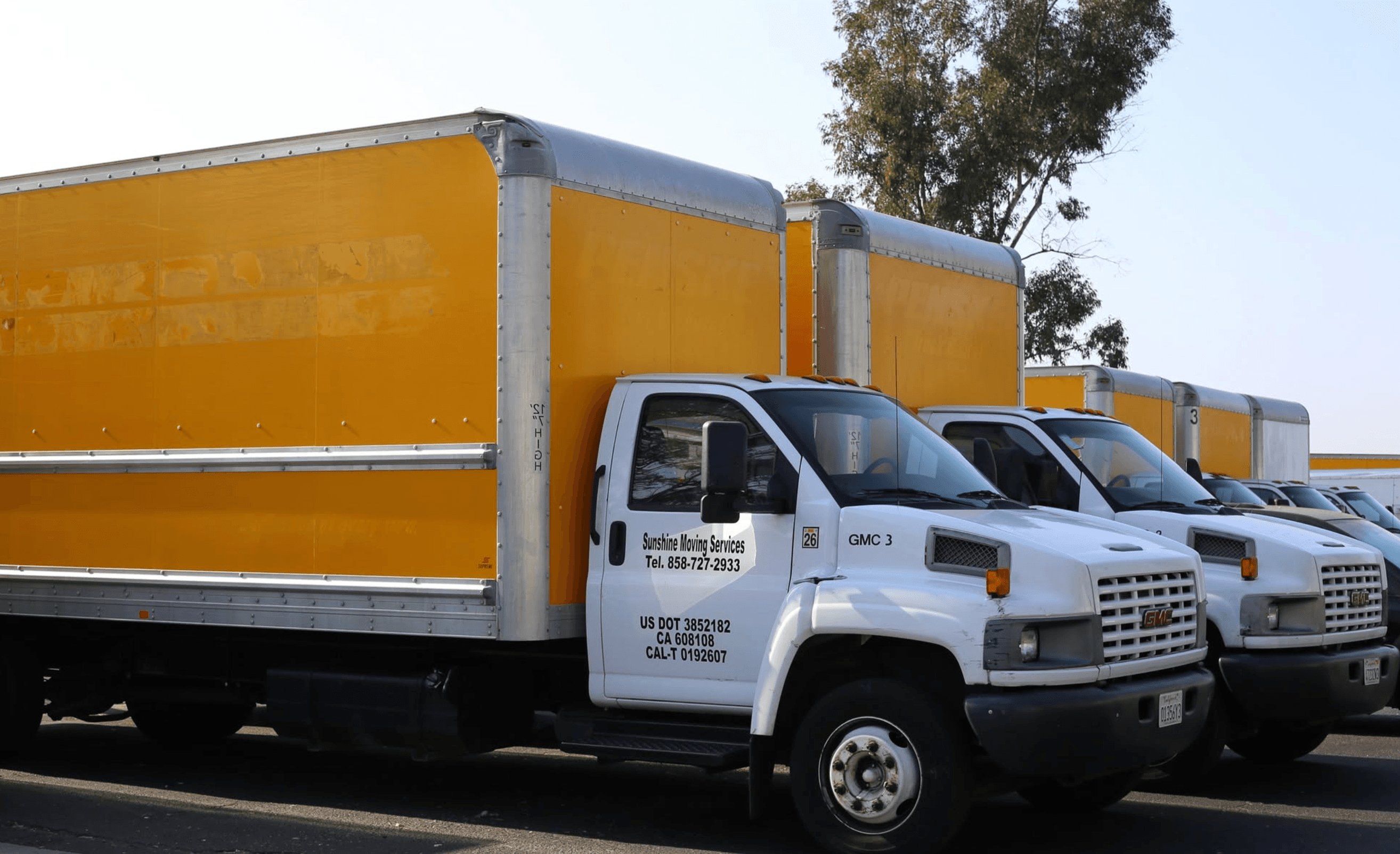
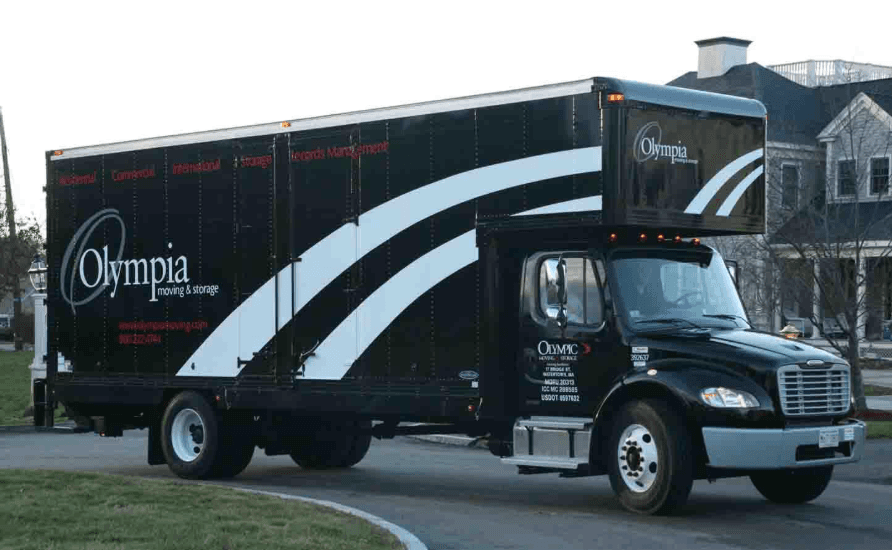
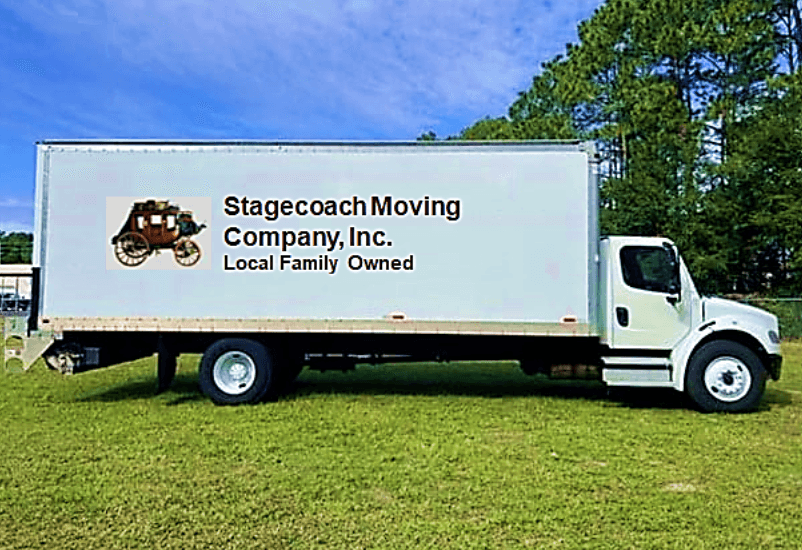
~$970 2BR local
~$2,460 2BR local
~$800 2BR local
~$1,100 2BR local
~$2,500 2BR local
~$545 2BR local
~$854 2BR local
~$750 2BR local
~$700 2BR local
~$750 2BR local
~$1,430 2BR local
~$1,250 2BR local
~$845 2BR local
~$1,777 2BR local
~$2,000 2BR local
~$1,105 2BR local
~$1,196 2BR local
~$1,250 2BR local
~$1,052 2BR local
~$2,325 2BR local
~$750 2BR local
~$750 2BR local
~$900 2BR local
~$1,658 2BR local
~$728 2BR local
~$700 2BR local
~$750 2BR local
~$6,400 2BR local
~$780 2BR local
~$750 2BR local
~$1,200 2BR local
~$280 2BR local
~$650 2BR local
~$1,554 2BR local
~$610 2BR local
~$700 2BR local
~$950 2BR local
~$2,162 2BR local
~$1,979 2BR local
~$2,170 2BR local
~$2,055 2BR local