




Safe Moving Costs in Atlanta
Safe moving prices vary by weight, access difficulty, and whether stairs are involved. Below are typical local move estimates for the Atlanta area.
| Safe Type | Weight | Local Move Cost | With Stairs |
|---|---|---|---|
| Home fire safe | 50 to 300 lbs | $100 to $250 | +$50/flight |
| Gun safe (entry-level) | 200 to 600 lbs | $200 to $400 | +$75/flight |
| Gun safe (mid-range) | 600 to 1,000 lbs | $350 to $600 | +$100/flight |
| Gun safe (high-end: Liberty, AMSEC, Fort Knox) | 1,000 to 1,600 lbs | $500 to $900 | +$150+/flight |
| Jewelry safe (TL-rated) | 124 to 3,800 lbs | $300 to $1,500+ | Case-by-case |
| Vault door | 300 to 2,500 lbs | $400 to $1,200 | Case-by-case |
| Commercial / ATM safe | 500 to 5,000 lbs | $500 to $3,000+ | Crane may be required |
Common surcharges: unbolting/re-bolting $50 to $150, long carry (75+ ft from truck) $50 to $150, floor protection included or $50 to $100. Contact Southeast Van Lines for an exact quote based on your safe model and access conditions.
What Professional Safe Movers Use
A regular furniture dolly is not rated for a 1,000-lb gun safe. Professional safe movers use specialized equipment designed for extreme weight and tight clearances.
Heavy-duty safe dolly
Rated 1,000 to 2,000 lbs. Low center of gravity, wide base, rubber wheels that protect flooring.
Motorized stair climber
Track-based system that carries the safe up or down stairs without manual lifting. Essential for multi-level homes.
Hydraulic lift gate
Built into the truck. Lifts the safe from ground level to truck bed without ramps or manual effort.
Floor protection
Masonite sheets, plywood runners, or heavy-duty floor protectors. A 1,000-lb safe concentrates enormous PSI on a tiny footprint. Without protection, hardwood floors crack and tile shatters.
Ratchet straps and rigging
Heavy-duty straps rated for the safe's weight. Secures the safe to the dolly during transport and inside the truck.
Anchoring hardware
Concrete anchors and lag bolts to secure the safe at its destination. Most gun safes should be bolted to the floor or wall.
What Goes Wrong When You DIY a Safe Move
Tipping. Safes are top-heavy when the door is open or when tilted on stairs. A 1,000-lb safe tipping over can crush limbs, break through floors, and destroy walls. This is the #1 cause of safe-moving injuries.
Floor damage. The most common complaint. Without floor protection, a safe dolly gouges hardwood, cracks tile, and tears carpet. Repair costs often exceed the cost of hiring a professional.
Back injuries. A 600-lb safe cannot be muscled by two people. Even with helpers, the weight concentration and awkward shape make manual handling extremely dangerous.
Electronic lock damage. Modern gun safes have electronic keypads and motorized bolts. A hard impact or drop can damage the lock mechanism, requiring a $200 to $500 locksmith visit or lock replacement.
How to Prepare for a Safe Move
1. Empty the safe completely. Remove all contents. Firearms must be transported separately in a locked case, unloaded. Ammunition, jewelry, documents, and cash travel with you.
2. Know your safe's weight. Check the manufacturer's specs or the sticker inside the door. This determines crew size, equipment, and price.
3. Measure the path. Doorways, hallways, stairs, turns. The mover needs to know if the safe fits through every point between its current location and the truck.
4. Clear the path. Remove rugs, furniture, and obstacles. The dolly needs a clear, flat route.
5. Note the destination. Where exactly does the safe go in the new location? What floor? Will it be bolted? Is there concrete or subfloor access for anchoring?
6. Check insurance. Basic mover liability is $0.60/lb. A 1,000-lb safe = only $600 coverage. Ask about Full Value Protection if the safe is worth more.
Gun Safe Types: What Each Requires to Move
Not all gun safes are created equal. The moving approach depends on the safe's weight class, construction, and lock type. Here is what professional safe movers in Atlanta plan for with each type.
Entry-Level Gun Safe (200 to 600 lbs)
8 to 24 gun capacityStack-On, Cannon, Winchester entry models. Single-layer fireboard, 12 to 14-gauge steel. Can be moved by 2 experienced movers with a heavy-duty dolly. Standard doorway clearance is usually fine. This is the most common residential gun safe move.
Mid-Range Gun Safe (600 to 1,000 lbs)
24 to 48 gun capacityLiberty Fatboy, Browning ProSteel, AMSEC BF series. Multi-layer fire protection, 10 to 11-gauge steel, relocker mechanisms. Requires 3-person crew minimum, heavy-duty safe dolly, and floor protection. Doorway clearance becomes critical at this size. Measure everything before the crew arrives.
High-End Gun Safe (1,000 to 1,600 lbs)
48 to 72+ gun capacityLiberty Lincoln, Fort Knox Defender, Graffunder, Sturdy Safe. 7-gauge steel, 2+ hours fire rating, composite door construction. These safes require a 3 to 4-person crew, motorized stair climber if stairs are involved, and often a hydraulic lift gate on the truck. Pre-move site assessment is mandatory. Some won't fit through standard 32-inch doorways.
Vault Door (300 to 2,500 lbs)
Safe room / panic room entryVault-Tec, Fort Knox, AMSEC vault doors. These are standalone doors installed in a reinforced room frame. Moving requires removing the door from its frame (hinge pins, often 3/4-inch steel), transporting it flat on a piano board, and reinstalling at the destination. The frame stays behind unless the entire room is being relocated. Reinstallation requires precise alignment and shimming.
Popular Safe Brands and Their Weights
Knowing your safe's approximate weight helps the mover send the right crew and equipment. Here are common brands and their typical weight ranges.
| Brand | Weight Range | Crew Needed | Notes |
|---|---|---|---|
| Liberty Safe | 390 to 1,345 lbs | 2 to 4 | Most popular US brand. Fatboy series is wide and heavy. |
| Fort Knox | 730 to 1,600 lbs | 3 to 4 | Premium. 10-gauge steel standard. Very heavy for their size. |
| AMSEC (American Security) | 350 to 2,800 lbs | 2 to 4+ | Wide range from home to commercial. BF series is residential, TL series is bank-grade. |
| Browning ProSteel | 450 to 1,100 lbs | 2 to 3 | Mid-range. Good fire ratings. Standard doorway compatible. |
| Cannon / Stack-On | 200 to 600 lbs | 2 | Entry-level. Lightest category. Usually straightforward moves. |
| Sturdy Safe | 900 to 1,600 lbs | 3 to 4 | Extremely heavy construction. Known for quality but challenging moves. |
| Winchester | 350 to 850 lbs | 2 to 3 | Mid-range. Widely available at big-box retailers. |
Weight is for the safe empty. Contents add 50 to 200+ lbs depending on what's stored. Always weigh empty.
Bolting and Anchoring Your Safe at the Destination
Every gun safe should be bolted down. An unbolted safe can be tipped over (exposing the hinges to pry attack), dragged out of the home, or stolen with a dolly. Most safes have pre-drilled anchor holes in the bottom and/or back panel. Professional safe movers in Atlanta include anchoring as a standard service or an add-on ($50 to $150).
Concrete slab:Use 3/8-inch concrete wedge anchors. Drill through the safe's pre-drilled holes into the concrete, insert anchors, and tighten. This is the strongest mount and the most common in garages and basements.
Wood subfloor:Use 3/8-inch lag bolts into the floor joists (not just the plywood subfloor). Locate the joists first. Bolting into plywood alone won't hold against a determined thief with a pry bar.
Second floor: Verify floor load capacity before placing a heavy safe upstairs. Most residential floors are rated for 40 to 50 lbs per square foot. A 1,000-lb safe on a 3 sq ft footprint = 333 lbs/sq ft, which exceeds standard residential floor ratings. Reinforce the floor or place the safe over a load-bearing wall or beam.
How to Choose a Safe Mover in Atlanta
Ask about their equipment.A legitimate safe mover will describe their dolly rating, stair climber, and floor protection without hesitation. If they say “we'll figure it out when we get there,” find someone else.
Ask how many safes they move per month.A specialist moves 10 to 30+ safes monthly. A general mover who “can do safes” might move 1 to 2 per year. Experience matters because every home has different access challenges.
Get a written estimate after a site assessment. The mover should ask about weight, dimensions, stairs, doorway widths, flooring type, and destination placement before quoting. A phone-only quote for a 1,000-lb safe is a red flag.
Verify insurance.Basic mover liability is $0.60/lb. A 1,000-lb safe = $600 coverage. If your safe is worth $3,000+, ask about Full Value Protection or check your homeowner's policy.
Ask about anchoring. A good safe mover includes bolting/anchoring at the destination or offers it as a clear add-on. If they deliver the safe and leave without bolting, it is not fully installed.
Safe Moving Insurance: What Is and Isn't Covered
Typically Covered
- The safe itself (by weight at $0.60/lb basic, or actual value with Full Value Protection)
- Cosmetic damage to the safe exterior (scratches, dents)
- Lock damage caused by the mover's handling
- Property damage to floors, walls, and doorframes caused during the move
NOT Covered
- Safe contents (firearms, jewelry, cash, documents)
- Ammunition (must be removed before the move)
- Pre-existing damage to the safe or property
- Damage from improper bolting by the homeowner after delivery
Remove all contents before the move. Transport firearms yourself in a locked case, unloaded. Photograph the safe from all angles before the movers arrive.
California Firearms Transport Law
In California, firearms must be transported unloaded, in a locked container (not the glove compartment), and separate from ammunition. When moving a gun safe, remove all firearms and transport them yourself in compliance with California Penal Code 25610. Your mover is not licensed to transport firearms. Ammunition should also be transported separately.
Frequently Asked Questions
How much does it cost to move a gun safe in Atlanta?
Gun safe moving in Atlanta typically costs $200 to $600 for a standard local move depending on weight and access conditions. A basic move (same floor, no stairs, under 600 lbs) runs $200 to $400. Stairs add $50 to $100 per flight. Safes over 1,000 lbs require specialized equipment and cost $500 to $900+.
Who moves gun safes in Atlanta?
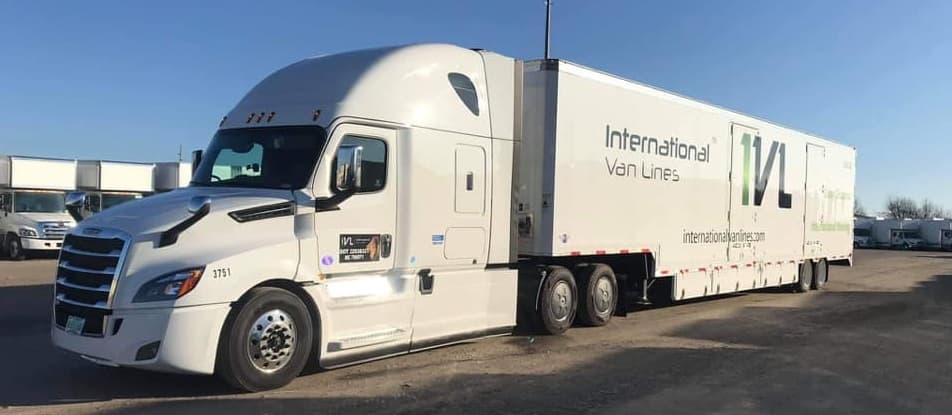
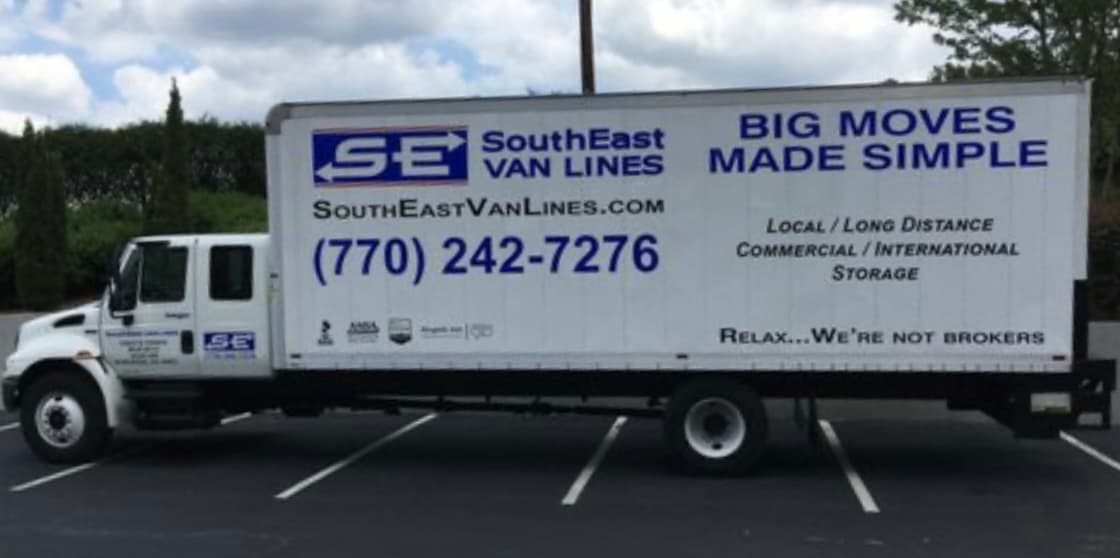
Southeast Van Lines and International Van Lines are verified safe movers in Atlanta. 0 additional movers in the area also handle safe moves. Always verify the mover has specialized safe-moving equipment (heavy-duty dolly, stair climber, floor protection) and experience with your safe's weight class.
Can regular movers move a gun safe?
Most regular movers will decline safes over 500 lbs or charge a premium without the right equipment. A 1,000-lb safe on a standard furniture dolly is dangerous. Professional safe movers use heavy-duty safe dollies rated for 2,000+ lbs, motorized stair climbers, hydraulic lift gates, and floor protection. The risk of injury and property damage is high enough that specialized equipment and experience are not optional.
Do I need to empty my safe before moving it?
Yes. Remove all contents before the move. Firearms must be transported separately (locked case, unloaded, in compliance with California law). Ammunition cannot be in the safe during transport. Valuables, documents, and jewelry should travel with you, not on the truck. The mover's insurance covers the safe itself by weight ($0.60/lb basic), not the contents.
1 of 94 movers serving Atlanta, GA list safe or specialty moving as a service: Prodigy Movers Atlanta.
Market Overview
45 profiled movers in GA. average Google rating 4.7. 11 flagged to avoid.
Moving in Atlanta
Atlanta is Georgia's capital and largest metro area, with neighborhoods ranging from Midtown high-rises to Buckhead mansions to suburban ranch homes. Moving costs vary significantly by neighborhood — Midtown and Buckhead condos require freight elevator reservations and have strict move-in windows, while neighborhoods like Grant Park and East Atlanta Village offer easier street-level access. Atlanta's I-285 perimeter divides the metro into ITP (inside the perimeter) and OTP (outside), with ITP moves typically costing 10-15% more due to parking challenges and building restrictions. The Georgia Department of Public Safety regulates movers in Georgia and requires licensed movers to charge a one-time travel fee, typically equivalent to 1 hour of labor — so a 4-hour move is always billed as 5 hours. Based on our survey of 20+ Atlanta-area movers, hourly rates range from $140/hr (2-man crew) to $250/hr (4-man crew), with travel fees of $95–$250. The most common crew configuration is 3 movers at $195–$229/hr. For a 2-bedroom local move in Atlanta, expect to pay $520–$2,500 depending on the company, crew size, and access conditions — the wide range reflects everything from budget operators to premium full-service movers.
Atlanta Moving FAQ
Why do Midtown Atlanta moves cost more?
Midtown high-rises require freight elevator reservations (often 2+ weeks in advance), have restricted move-in hours (typically 9am-5pm weekdays), and limited loading dock access. These constraints add time and complexity compared to suburban homes with driveway access.
What's the difference between ITP and OTP moving costs?
Inside the Perimeter (ITP) moves typically cost 10-15% more than Outside the Perimeter (OTP) due to parking challenges, building restrictions, and traffic. OTP suburbs like Roswell, Alpharetta, and Kennesaw have easier truck access and less congestion.
How much do movers cost per hour in Atlanta?
Based on our survey of 20+ Atlanta movers, hourly rates range from $140/hr for a 2-man crew (ATL United Local Moves) to $250/hr for a 4-man crew (Bulldog Moving). The most common setup is 3 movers at $195–$229/hr. All licensed Georgia movers also charge a one-time travel fee ($95–$250) required by the Georgia Department of Public Safety.
Why do Atlanta movers charge a travel fee?
The Georgia Department of Public Safety requires licensed movers to charge a one-time travel fee covering crew transit to your location. This is typically equivalent to 1 hour of labor ($140–$250 depending on crew size). It is not a markup — it is a regulated standard across all licensed Georgia movers.
What should I watch for when hiring movers in Atlanta?
Check FMCSA registration at safer.fmcsa.dot.gov — several Atlanta movers we surveyed have inactive registrations or are not authorized for interstate moves despite advertising them. Look at the driver out-of-service rate (national average is 6.67%) — some Atlanta movers have rates 5-8x higher. Also check for review discrepancies between Google and BBB/Yelp — a perfect 5.0 from thousands of reviews is statistically improbable and may indicate review management.
More in Atlanta