Government Movers in Vista, CA
Federal civilian employees relocating to or from Vista, CA can work with Best Fit Movers, 1st Choice Movers, We Like To Move It, Hulk Movers, Like Movers, The Rock Movers, Finch Moving, QShark Moving, Flexdolly, 24/7 Moving and Storage and Nuvision Moving, all of which hold active FMCSA registrations and are verified for GSA-compliant government relocations. These movers handle FTR-governed household goods shipments for GS and SES employees, government contractors, and agency-funded permanent change of station transfers. They understand Government Bills of Lading, TSP vendor requirements, weight certification procedures, and the documentation standards that federal relocation offices require for reimbursement.
11 verified · 0 surveyed with government services · 2026-06-16
11 movers in Vista




GSA-Certified Government Mover
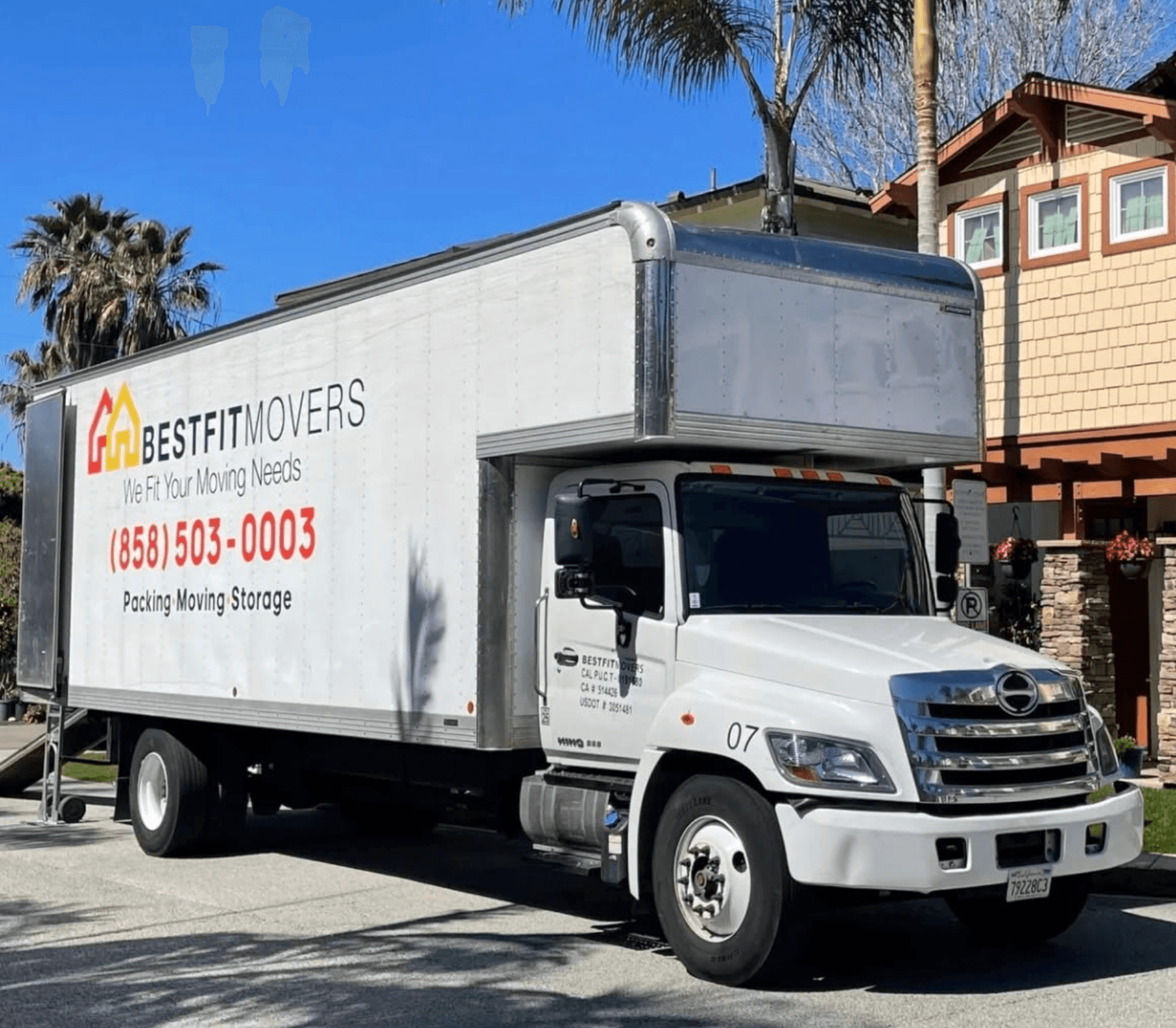
Best Fit Movers
License verification: USDOT 3051481 · Verify on FMCSA
Safety record: 0 crashes in last 24 months · BBB
Insurance: Best Fit Movers offers Released Value Protection (free, $0.60/lb) and Full Value Protection (optional, full replacement value).
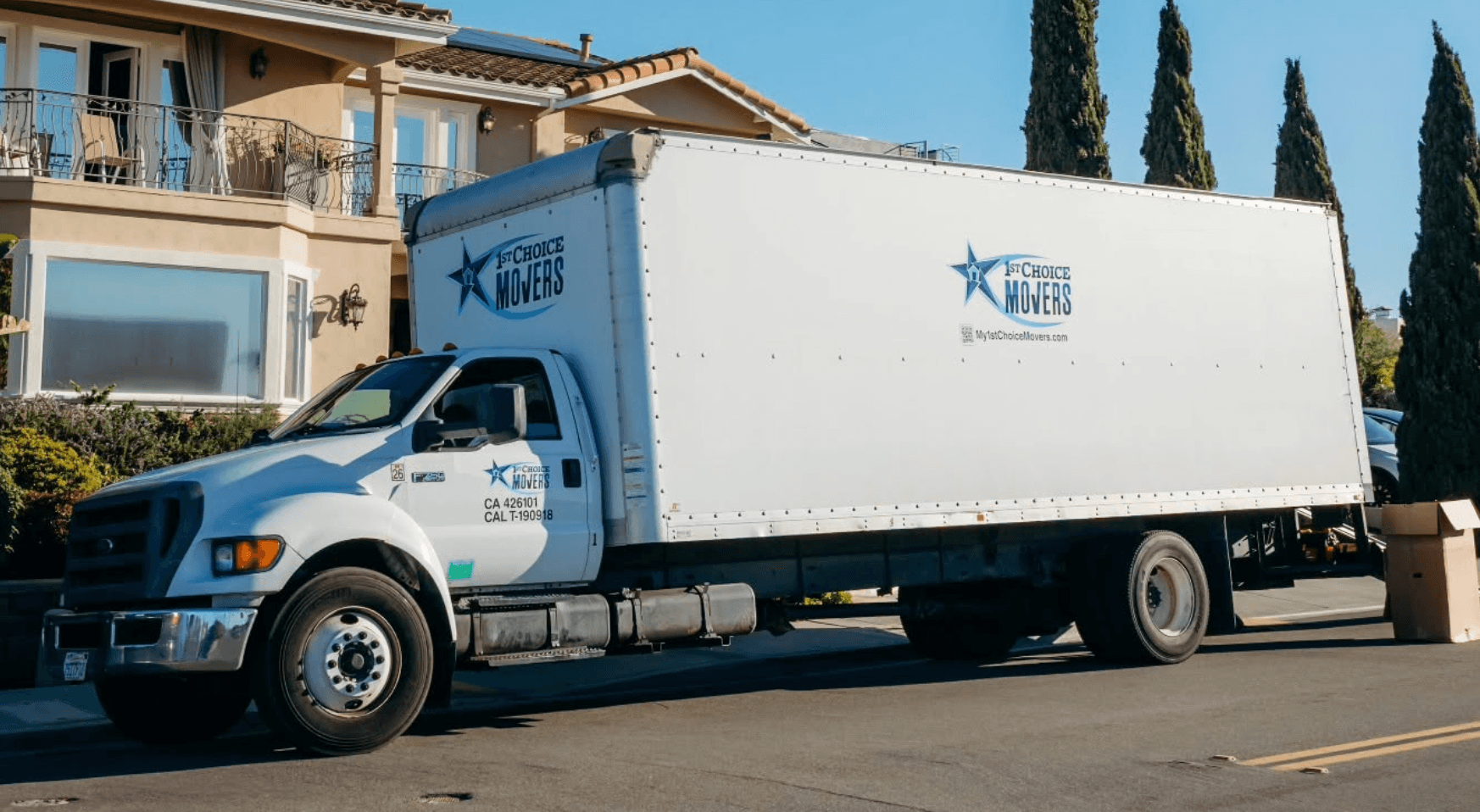
1st Choice Movers
License verification: USDOT 2776935 · Verify on FMCSA
Safety record: 0 crashes in last 24 months · BBB
Insurance: 1st Choice Movers offers Released Value Protection (free, $0.60/lb) and Full Value Protection (optional, full replacement value).
We Like To Move It
License verification: USDOT 2843171 · Verify on FMCSA
Safety record: 0 crashes in last 24 months · BBB
Insurance: We Like To Move It offers Released Value Protection (free, $0.60/lb) and Full Value Protection (optional, full replacement value).
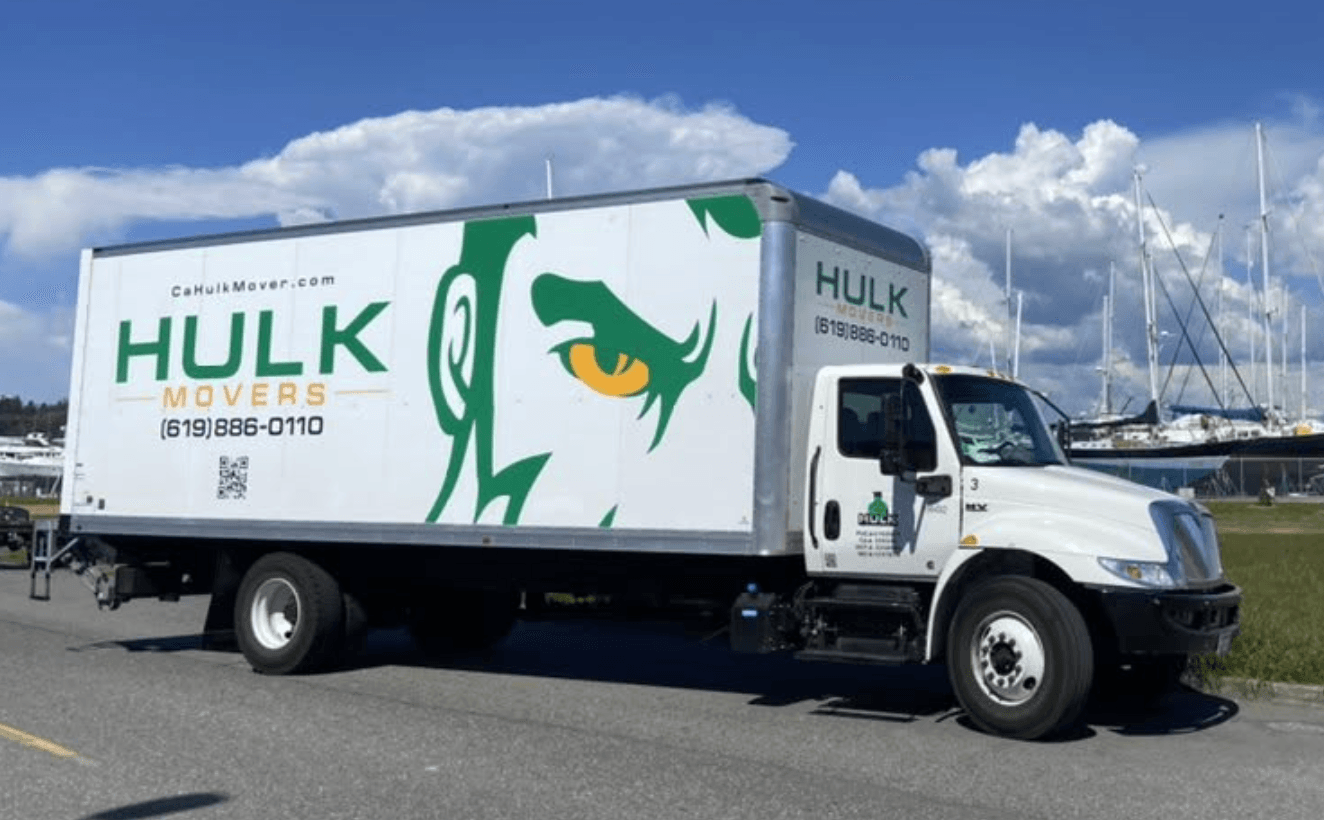
Hulk Movers
License verification: USDOT 3358690 · Verify on FMCSA
Safety record: 0 crashes in last 24 months · BBB
Insurance: Hulk Movers offers Released Value Protection (free, $0.60/lb) and Full Value Protection (optional, full replacement value).
Like Movers
License verification: USDOT 3820244 · Verify on FMCSA
Safety record: 0 crashes in last 24 months · BBB
Insurance: Like Movers offers Released Value Protection (free, $0.60/lb) and Full Value Protection (optional, full replacement value).
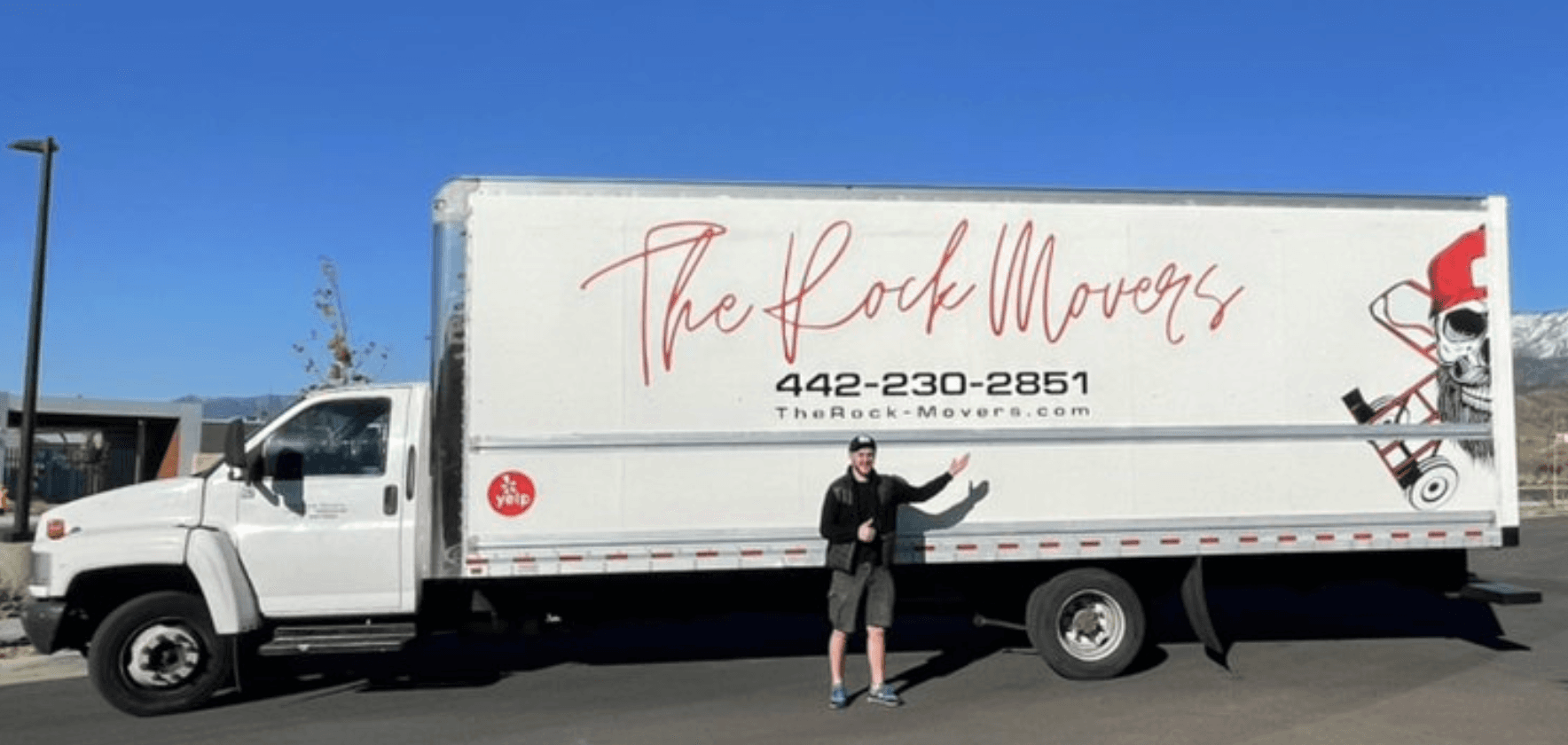
The Rock Movers
License verification: USDOT 3653432 · Verify on FMCSA
Safety record: 0 crashes in last 24 months · BBB
Insurance: The Rock Movers offers Released Value Protection (free, $0.60/lb) and Full Value Protection (optional, full replacement value).
Finch Moving
License verification: USDOT 2434969 · Verify on FMCSA
Safety record: 0 crashes in last 24 months · BBB
Insurance: Finch Moving offers Released Value Protection (free, $0.60/lb) and Full Value Protection (optional, full replacement value).
QShark Moving
License verification: USDOT 2758929 · Verify on FMCSA
Safety record: 0 crashes in last 24 months · BBB
Insurance: QShark Moving offers Released Value Protection (free, $0.60/lb) and Full Value Protection (optional, full replacement value).
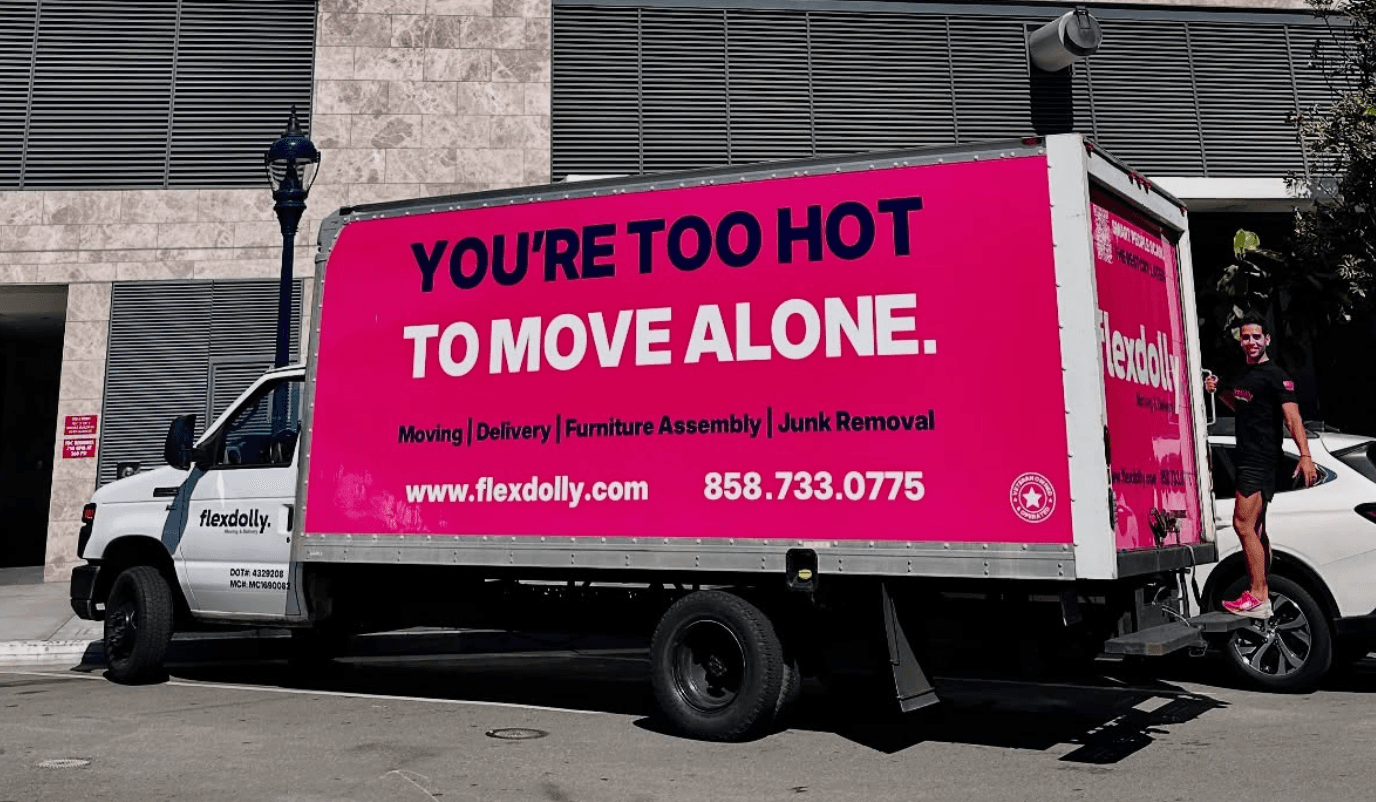
Flexdolly
License verification: USDOT 4329208 · Verify on FMCSA
Safety record: 0 crashes in last 24 months · BBB
Insurance: Flexdolly offers Released Value Protection (free, $0.60/lb) and Full Value Protection (optional, full replacement value).
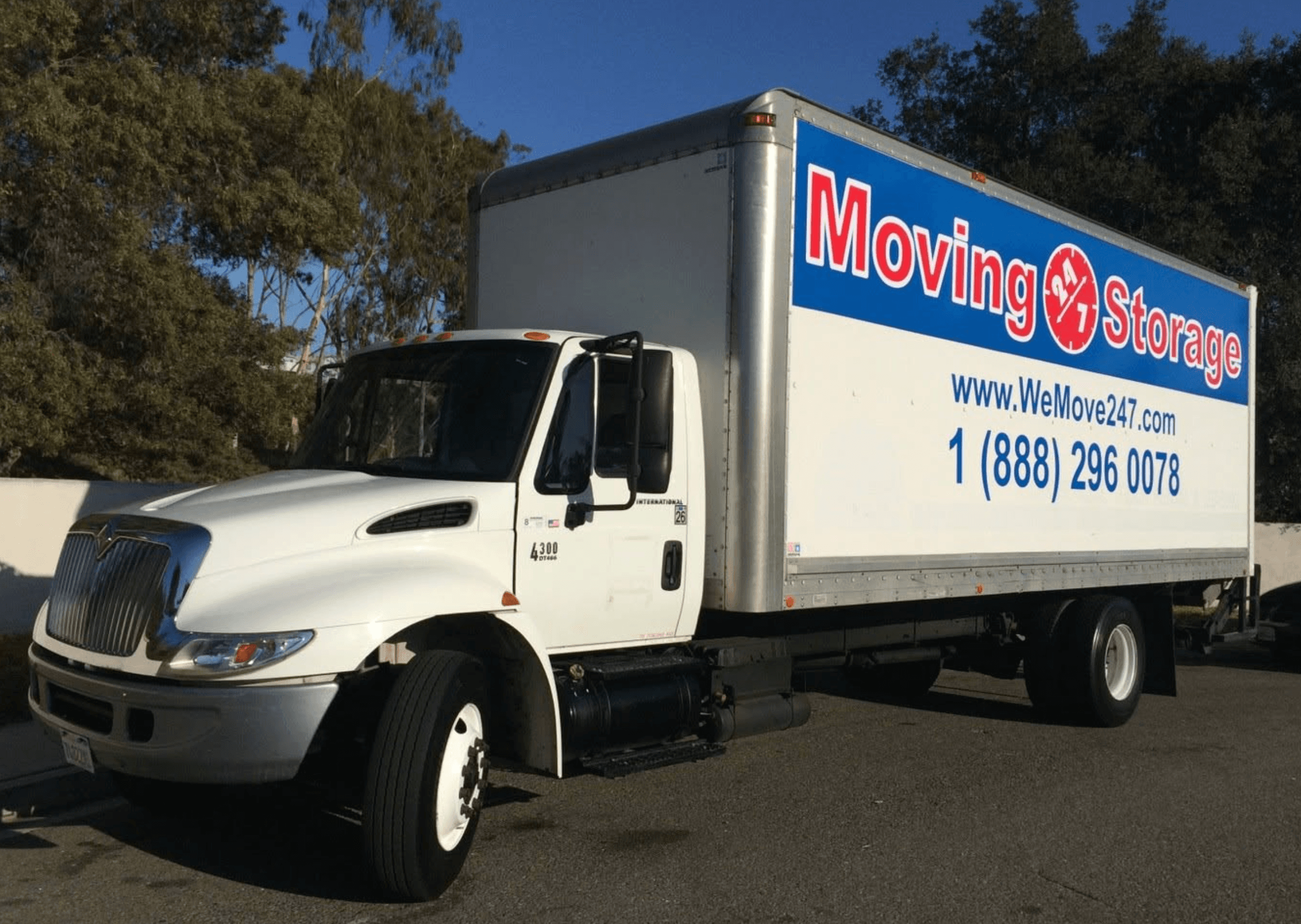
24/7 Moving and Storage
License verification: USDOT 2707732 · Verify on FMCSA
Safety record: 0 crashes in last 24 months · BBB
Insurance: 24/7 Moving and Storage offers Released Value Protection (free, $0.60/lb) and Full Value Protection (optional, full replacement value).
Nuvision Moving
License verification: USDOT nuvision-placeholder · Verify on FMCSA
Safety record: 0 crashes in last 24 months · BBB
Insurance: Nuvision Moving offers Released Value Protection (free, $0.60/lb) and Full Value Protection (optional, full replacement value).
Government Relocation Movers in Vista
The following table lists every verified and surveyed mover in Vista that handles federal civilian relocations, along with their FMCSA status, fleet size, and GSA certification where confirmed. Verified movers have been reviewed by Trunk. Surveyed movers were identified through FMCSA records and local business data.
| Company | FMCSA | Years | Fleet | Gov/GSA | |
|---|---|---|---|---|---|
| Best Fit MoversVerified | Active | - | - | - | - |
| 1st Choice MoversVerified | Active | - | - | - | - |
| We Like To Move ItVerified | Active | - | - | - | - |
| Hulk MoversVerified | Active | - | - | - | - |
| Like MoversVerified | Active | - | - | - | - |
| The Rock MoversVerified | Active | - | - | - | - |
| Finch MovingVerified | Active | - | - | - | - |
| QShark MovingVerified | Active | - | - | - | - |
| FlexdollyVerified | Active | - | - | - | - |
| 24/7 Moving and StorageVerified | Active | - | - | - | - |
| Nuvision MovingVerified | Active | - | - | - | - |
How Federal Civilian Relocations Work
Government relocations for civilian employees follow a structured process that differs significantly from military PCS moves and commercial relocations. The federal relocation process begins with an authorization document from your agency and ends with the mover delivering your household goods at the new duty station. Here is each step from start to finish.
1. Relocation Authorization
Your agency's HR or relocation office issues a relocation authorization (SF-1012 or equivalent) that specifies what's covered. This document is your contract with the agency | nothing gets reimbursed without it. Review it carefully before signing anything or hiring a mover.
2. Federal Travel Regulation (FTR)
The FTR (41 CFR 300 through 304) governs all civilian relocation entitlements. Unlike military moves governed by the Joint Travel Regulation (JTR), the FTR applies specifically to federal civilian employees. Your agency's relocation office interprets FTR provisions | individual agencies have discretion on some benefits.
3. GSA-Approved Vendor Selection
Federal agencies must use movers from the GSA's approved vendor list (GSA Schedule) for government-funded HHG shipments. Your relocation office either assigns a Transportation Service Provider (TSP) or allows you to select from pre-approved vendors. You cannot simply hire any mover and expect reimbursement.
4. Move Execution & Documentation
The TSP coordinates pickup, transit, and delivery. You'll sign inventory sheets and a Government Bill of Lading (GBL) or equivalent. Keep copies of everything | weight tickets, receipts, and the delivery receipt noting any damage. The agency pays the mover directly through the TSP arrangement.
5. Personally Procured Move (PPM) Option
Some agencies allow a Personally Procured Move where you arrange and pay for the move yourself, then get reimbursed. Reimbursement is based on the government's constructive cost for the same move. This can be financially advantageous if you can move for less than the government rate. Pre-approval from your relocation office is required.
GSA Certification | What It Means and Why It Matters
GSA certification is not a generic quality badge. It is a specific federal procurement requirement that determines which movers can handle government-funded relocations. Understanding the distinction between GSA certification and standard FMCSA registration helps federal employees avoid hiring the wrong mover and risking denied reimbursement.
What GSA Certification Is
A mover on the GSA Schedule has been vetted by the General Services Administration and approved to provide relocation services to federal agencies. The mover has met requirements for bonding, insurance, safety record, financial stability, and service quality. GSA Schedule contracts typically run 5 years with option periods.
Why It Matters for Your Move
Federal agencies can only use GSA-approved vendors for government-funded HHG shipments. If you use a non-GSA mover for a government-funded move, you may not be reimbursed. GSA movers also understand government paperwork, including GBLs, weight tickets, and claims procedures, which reduces errors and delays.
How to Verify GSA Status
Search for the mover on GSA eLibrary (gsaelibrary.gsa.gov) or SAM.gov. Look for an active GSA Schedule contract under Schedule 48 (Transportation, Delivery, and Relocation Solutions). Your agency relocation office can also confirm whether a specific mover is on their approved vendor list.
GSA vs. FMCSA Registration
These are different things. FMCSA registration (USDOT number, MC number) is required for any interstate mover. GSA certification is an additional layer. It means the mover has a government contract. A mover can be FMCSA-registered without being GSA-certified. For government moves, you need both.
Federal Relocation Entitlements
Federal civilian employees transferring to a new duty station receive a set of relocation entitlements governed by the FTR. What is covered depends on your agency's policy and your individual relocation authorization, but the following list reflects the standard benefits most GS and SES employees receive.
Typically Covered
- Household goods shipping | up to 18,000 lbs net weight, including packing and unpacking
- Temporary quarters (TQSE) | lodging and meals for up to 120 days while finding permanent housing
- En route travel | mileage, lodging, and per diem for driving to the new duty station
- House-hunting trip | up to 10 calendar days to find housing at the new location
- Miscellaneous expense allowance | lump sum for incidentals (utility connections, cleaning, etc.)
- Storage in transit (SIT) | up to 90 days of temporary storage if needed
- Relocation income tax allowance (RITA) | reimbursement for additional tax liability from the move
Varies by Agency / Not Always Covered
- Real estate transaction costs | some agencies cover closing costs, broker fees, or home sale incentives; others do not
- Property management fees | if you rent out your old home instead of selling
- Spouse employment assistance | available at some agencies, not mandated
- Home marketing incentive | bonus for selling your home quickly and reducing agency costs
- Extended storage | beyond 90-day SIT period, approval varies
- Vehicles | shipping a second vehicle is often not covered
- Pets | pet transport and quarantine costs are generally the employee's responsibility
Contractor relocations: Government contractors receive relocation benefits specified in their employment contract, not FTR entitlements. Benefits vary widely. Some contractors receive full relocation packages comparable to federal employees, while others receive lump-sum payments or nothing. Check your contractor agreement.
Government Relocation Costs | Who Pays and How
Government relocations work differently from commercial moves because the employing agency funds the move rather than the employee. The process involves more paperwork, pre-approved vendors, and structured reimbursement timelines. The table below breaks down each cost component, the typical dollar range, and who is responsible for payment.
| Component | Typical Cost | Who Pays |
|---|---|---|
| HHG shipping (domestic, full-service) | $8,000 to $25,000 | Agency pays TSP directly |
| Temporary quarters (TQSE, 60 days) | $5,000 to $15,000 | Agency reimburses employee |
| En route travel & per diem | $500 to $3,000 | Agency reimburses at GSA rates |
| House-hunting trip (10 days) | $1,500 to $4,000 | Agency reimburses per diem + travel |
| Miscellaneous expense allowance | Up to 1 week's pay | Agency pays lump sum |
| Real estate costs (if authorized) | $5,000 to $30,000+ | Varies by agency policy |
| RITA (tax reimbursement) | Varies | Agency reimburses additional tax burden |
Key difference from commercial moves: The employee does not comparison-shop movers. The agency assigns a TSP from the GSA-approved vendor list, or the employee requests a PPM and gets reimbursed at the government constructive cost. Per diem rates are set by GSA and vary by location. Check gsa.gov/perdiem for current rates.
Common Government Relocation Mistakes
Federal employees often leave money on the table or create reimbursement problems by not understanding how government relocations work. These are the most frequent errors that lead to denied claims, out-of-pocket costs, or compliance issues with your agency's relocation office.
Not reading your relocation authorization carefully
Your authorization specifies exactly what's covered and what's not. Assumptions based on what a colleague received at a different agency (or even a different office in the same agency) can lead to denied reimbursements. Read every line before you spend anything.
Hiring a non-GSA mover for a government-funded move
If your agency is paying for the move through a TSP arrangement, you must use a GSA-approved vendor. Hiring a commercial mover on your own and submitting for reimbursement will likely be denied unless you have explicit PPM authorization.
Not getting pre-approval for expenses
Government relocations require authorization before spending. House-hunting trips, temporary quarters extensions, and real estate expenses all need pre-approval. Spending first and asking for reimbursement later is the fastest way to eat costs yourself.
Exceeding weight allowances
The standard HHG weight limit is 18,000 lbs net. If your shipment exceeds this, you pay the overage out of pocket. Weigh your options before packing. Purge, donate, or sell items that push you over the limit. The mover will provide weight tickets.
Not understanding the TQSE calculation
Temporary Quarters Subsistence Expense (TQSE) reimburses actual expenses up to a maximum daily rate based on GSA per diem. It is not a per diem payment. You need receipts. And the rate decreases after 30 days. Budget accordingly, especially in high-cost areas like the DC metro.
Ignoring the service agreement timeline
Most agencies require the employee to remain at the new duty station for at least 12 months (some require 2 years). If you leave or transfer before the service agreement period ends, you may be required to repay all or part of your relocation expenses. Know your commitment before accepting.
Missing the claims deadline for damaged items
If the mover damages your belongings, you must file a claim within the time specified in your moving contract (typically 75 days for government moves). Document damage immediately at delivery, note it on the inventory sheet, and photograph everything. Missing the deadline means you absorb the loss.
Frequently Asked Questions
These are the questions federal employees and government contractors most frequently ask about government-funded relocations in Vista.
Are there GSA-certified government movers in Vista?
Yes. Best Fit Movers and 1st Choice Movers and We Like To Move It and Hulk Movers and Like Movers and The Rock Movers and Finch Moving and QShark Moving and Flexdolly and 24/7 Moving and Storage and Nuvision Moving are verified government relocation providers in Vista. They handle federal civilian relocations, GSA-compliant HHG shipments, and contractor moves.
How is a government relocation different from a military PCS move?
Government civilian relocations are governed by the Federal Travel Regulation (FTR), while military PCS moves follow the Joint Travel Regulation (JTR). Key differences: civilian employees often have more choice in housing and timing, but less structured support. Military PCS moves are coordinated through a Transportation Office (TMO), while civilian moves go through the agency's relocation office. Weight limits, per diem rates, and entitlements also differ.
Can I choose my own mover for a government relocation?
It depends on your authorization. For agency-arranged moves, the relocation office assigns a TSP from the GSA vendor list. For Personally Procured Moves (PPMs), you choose your own mover but must get pre-approval and will be reimbursed at the government constructive cost, not your actual cost. Some agencies offer a choice between these options.
What happens if my belongings are damaged during a government move?
Document damage immediately on the delivery inventory sheet and photograph everything. File a claim with the TSP within the contract deadline (typically 75 days). Government moves include Full Replacement Value protection. If the mover denies or underpays the claim, you can escalate through your agency's relocation office or file with GSA.
Do government contractors get the same relocation benefits as federal employees?
No. Government contractors receive relocation benefits specified in their employment contract with the contracting company, not FTR entitlements. Benefits vary widely. Some large defense contractors offer comprehensive packages similar to federal employee benefits, while others provide lump-sum payments or limited assistance. Review your contractor agreement carefully.
Moving Costs in Vista
Compare per-company pricing for all move sizes. Useful for PPM cost estimates and understanding what the government constructive cost might look like.
View Pricing →